



Wobbling during a squat or lunge is a common frustration, but it's more than just an annoyance. Unsteadiness can sabotage your results and increase injury risk. The key to stronger thighs lies in building a stable foundation from the ground up.
Why Balance Is Non-Negotiable
Squats
and lunges are hailed as foundational exercises for good reason: they strengthen your quads, hamstrings, and glutes all at once. But to get the most out of every repetition, your body needs to be stable. Good balance ensures that the right muscles are firing and that the load is distributed correctly. When you're wobbly, your body compensates by shifting stress to other areas, often the lower back or knee joints, which can lead to strain or injury. A stable, controlled movement allows for better muscle activation, which directly translates to greater strength gains and more toned, powerful thighs.
The Common Culprits of Instability
Losing your balance isn't a sign of weakness, but rather an indication that a component of your form needs attention. One of the most common reasons is a disengaged core. Your core muscles—which include your abs, obliques, and lower back—stabilise your entire body. If they aren't braced, your torso is more likely to tilt, throwing you off balance. Another major factor is foot placement and pressure. Lifting your heels during a squat or placing your feet too close together in a lunge creates an unsteady base. Limited mobility in your ankles or hips can also prevent you from achieving the proper depth and alignment, forcing your body into an unstable position.
Finding Your Footing in the Squat
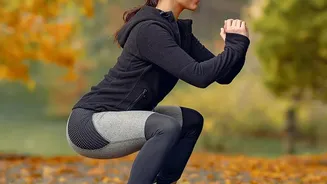
To perform a stable squat, start with your feet about shoulder-width apart, with toes pointing slightly outwards. This stance allows your hips to move freely. As you lower, focus on pushing your hips back as if sitting into a chair. Your chest should stay lifted and your gaze forward. Crucially, keep your weight distributed through your heels and the balls of your feet; imagine them as a tripod. If you find your heels lifting, it may signal tight ankles. Until mobility improves, you can try placing a small plate under your heels for support. Above all, brace your core by drawing your navel toward your spine throughout the entire movement.
Stabilising Your Lunges
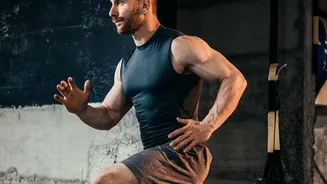
The most frequent mistake in a lunge is setting up as if on a tightrope, with one foot directly behind the other. This narrow stance is inherently unstable. Instead, ensure your feet remain about hip-width apart as you step forward or backward. As you lower, both knees should aim for a 90-degree angle, with your front knee tracking over your ankle, not past your toes. Keep your torso upright and your core engaged to prevent leaning forward. The power to return to the standing position should come from pressing through your front heel, which ensures your glutes and quads are doing the work. If you still feel wobbly, don't be afraid to hold onto a wall or a sturdy chair for support. This allows you to master the movement pattern with confidence.
Build a Stronger Foundation
Improving your balance for squats and lunges often happens outside of the exercises themselves. Incorporate specific stability and core exercises into your routine to build a stronger base. Moves like the 'dead bug', where you lie on your back and slowly lower opposite arms and legs, are excellent for teaching core control. Glute bridges, which involve lying on your back and lifting your hips, strengthen the glutes and core, both essential for lower body stability. Simple single leg stands are also highly effective; try balancing on one leg for 30 seconds while brushing your teeth to challenge your proprioception—your body's awareness in space.