




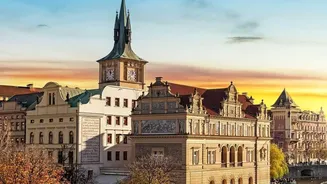
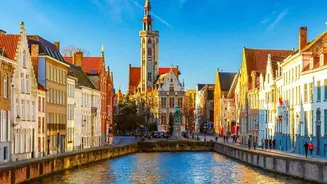
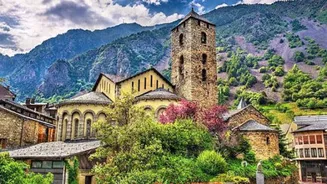
A European holiday often conjures images of sipping coffee in a bustling square. But what if the most memorable moments lie just a few streets away, in the quiet cafes where locals gather? Here’s why you should go off the beaten path.
The Allure of the Authentic
Cafes are the heartbeat
of European life, serving as social hubs for centuries. They are places for political debate, artistic inspiration, and quiet reflection. However, the establishments lining the main tourist thoroughfares are often a shadow of this reality. They are typically tourist traps, defined by inflated prices and mediocre quality, designed to extract money from visitors rather than provide a genuine experience. An authentic local cafe offers something far more valuable: a real glimpse into the city’s soul. These are the places where the menu might only be in the local language, where the pastries are baked for a loyal neighbourhood clientele, and where the rhythm of daily life unfolds around you. By choosing these spots, you trade a transactional tourist experience for a culturally immersive one.
Beyond the Main Square
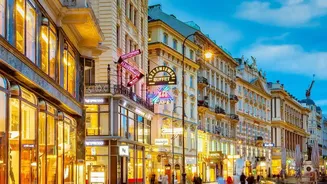
The convenience of a cafe with a direct view of a famous landmark is tempting, but it almost always comes at a cost—and not just a monetary one. These prime locations often serve generic, mass-produced food and drink at double or even triple the normal price. The service can feel rushed, and the atmosphere is rarely relaxed. The real magic begins when you decide to wander. Just a five or ten-minute walk away from the crowds can lead you to quieter streets and residential squares where entirely different kinds of establishments thrive. This small act of exploration is an adventure in itself, revealing charming corners of the city you would have otherwise missed and rewarding you with better quality and value.
How to Find Your Perfect Spot
Finding an authentic cafe is a skill, but it’s an easy one to learn. Start by looking for subtle clues. A menu written primarily in the local language is a strong indicator that it caters to residents. Listen for the sound of local conversation rather than a babel of different tourist tongues. Another sign is the absence of a 'greeter' outside trying to lure you in. Look for simplicity; often, the best places are understated. You can also ask locals for recommendations—a shopkeeper, a hotel concierge not affiliated with a tour company, or even someone you strike up a conversation with can point you to their personal favourites. Exploring neighbourhood markets can also lead to great finds, as they are the epicentres of local daily life.
More Than Just Coffee
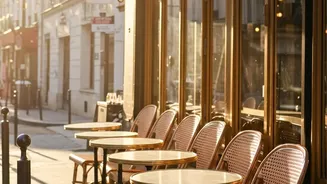
A visit to a local European cafe is about so much more than the drink itself. In Italy, it might be a quick, stand-up espresso 'al banco' that’s part of a swift daily ritual. In France, it could be a place to linger for hours with a book or for a light meal, as cafes often serve food all day when restaurants are closed between mealtimes. In Spain, it's a hub for slow living and conversation. These spots provide a unique cultural window. You can observe social customs, try regional specialities you won’t find in tourist shops, and feel the true pulse of a place. Supporting these independent businesses also means you are contributing directly to the local economy, helping to preserve the unique character of the neighbourhood.
A Moment of Calm and Connection
Sightseeing can be exhausting. A quiet cafe offers a much-needed sanctuary from the noise and the crowds. It's a place to rest your feet, consult a map, and recharge before your next stop. But it’s also a place of connection. Even for a solo traveller, sitting in a local cafe provides a sense of belonging. It’s a chance to feel like a temporary resident rather than a passive observer. In Europe, the act of sitting at a cafe is not a rushed, to-go affair; you are paying for the time and the space to simply be. The waiter isn't ignoring you; they are respecting your time to linger. Embracing this slower pace is one of the most rewarding aspects of European travel.