



The Unseen Dangers in Worn-Out Tools
In every Indian kitchen, from the humble wooden spoon to the trusty non-stick tawa, our tools are the unsung heroes of our culinary adventures. We clean them, store them, and reuse them without a second thought. But over time, all tools degrade. Scratches,
cracks, and peeling surfaces aren't just cosmetic flaws; they are gateways for harmful bacteria and, in some cases, the leaching of unwanted chemicals into our food. These imperfections create tiny hiding spots where food particles and moisture get trapped, making it nearly impossible to clean them thoroughly. This can lead to the growth of bacteria like Salmonella and E. coli, increasing the risk of cross-contamination and foodborne illnesses. What we cook with is just as important as what we cook, and paying attention to the condition of our tools is a fundamental step in ensuring the food we serve is safe and healthy.
The Cutting Board Conundrum
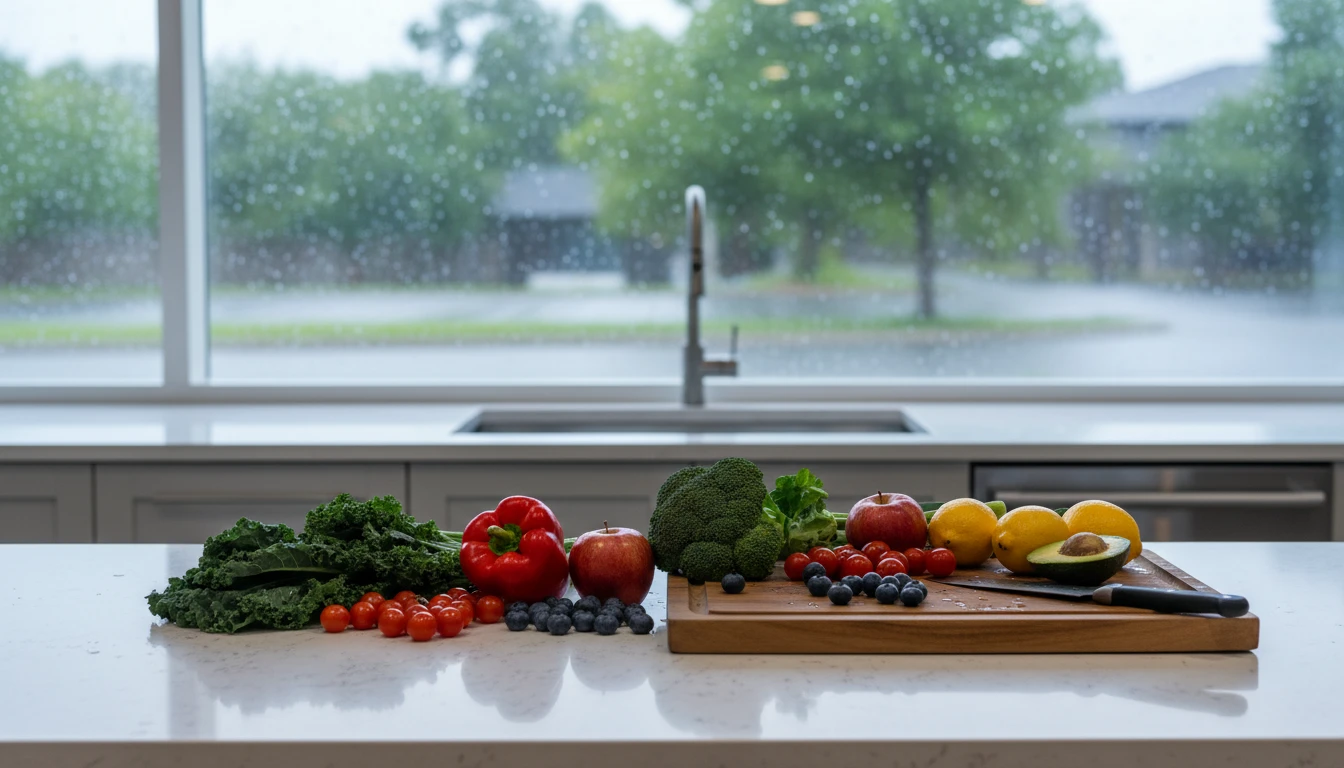
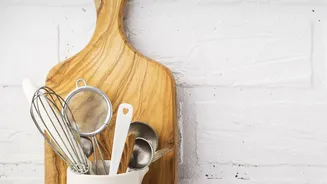
The chopping board is a cornerstone of kitchen prep, but it can also be a major hotspot for germs. Whether you use wood or plastic, both come with risks when they become worn. Plastic boards, while easy to sanitize initially, develop deep grooves from knife cuts over time. These grooves can harbor bacteria that survive washing, creating a risk for cross-contamination between raw meats and fresh vegetables. Research has shown that bacteria can persist and even multiply in these cuts. Wooden boards have natural antimicrobial properties, but they are porous. Once a wooden board develops deep cracks or splits, it becomes difficult to sanitize effectively, as food and moisture can get trapped inside. The consensus is clear: once a cutting board of any material has deep scratches, grooves, or cracks, it's time to replace it to keep your kitchen safe.
When Non-Stick Becomes Risky
Non-stick pans are celebrated for their convenience, allowing for easy cooking and cleanup with less oil. However, their safety is entirely dependent on the integrity of their coating. Most traditional non-stick surfaces are made with a chemical coating, often referred to as Teflon (PTFE), that can break down. When these pans get scratched by metal utensils or abrasive cleaning, the coating can begin to flake off into your food. While ingesting tiny flakes is not considered a major health risk, a damaged surface signals that the pan is past its prime. More importantly, when overheated, a scratched or worn non-stick pan can potentially release fumes. Experts advise replacing any non-stick cookware as soon as you notice deep scratches, peeling, or significant discoloration.
The Trouble with Wooden and Plastic Spoons
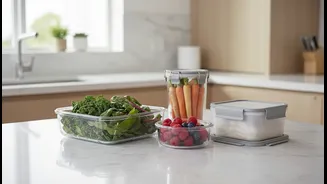
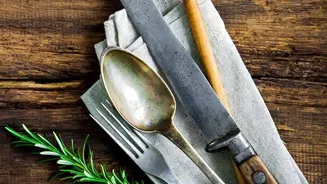
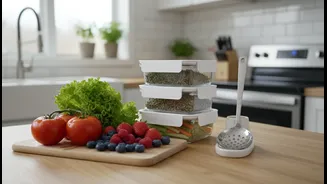
Wooden spoons and spatulas are kitchen classics, but their porous nature requires care. Over time, they can develop small cracks from repeated use and washing. These cracks can trap food particles and bacteria, making them unhygienic. If a wooden spoon feels rough, is visibly splintered, or retains strong odours even after washing, it's a sign that it needs to be retired. Similarly, plastic utensils and containers present their own set of problems. Scratched, warped, or stained plastic containers should be discarded. Scratches can harbor bacteria, while warping from heat (like in a microwave) can degrade the plastic, potentially increasing the chance of chemicals leaching into your food. Stains and lingering smells are also a sign that the plastic has degraded and absorbed food substances.
Simple Rules for Tool Maintenance
Maintaining your kitchen tools doesn't have to be complicated. A few simple habits can extend their life and ensure they remain safe to use. First, always clean tools immediately after use with hot, soapy water. Avoid using abrasive scrubbers or metal utensils on non-stick surfaces to prevent scratching. For wooden utensils, hand wash them and allow them to air dry completely to prevent cracking; never soak them or put them in the dishwasher. Regularly inspect your tools for signs of wear. Look for deep grooves in cutting boards, peeling coatings on pans, and cracks in wooden spoons. By being mindful and proactive, you can ensure the tools in your kitchen are helping, not harming, your health.