
From Discounts to Full Immersion
Not long ago, a restaurant’s nod to a festival might have been a simple discount or a complimentary sweet. That era is decisively over. Now, dining establishments are transforming into immersive festive destinations. During Diwali, for instance, it’s
no longer just about the food but the entire atmosphere. Restaurants are adorned with diyas and festive lights, sometimes even instructing staff to wear traditional attire. The goal is to create a holistic experience that captures the spirit of the celebration, with some venues hosting live music, cultural performances, and events to draw in families looking for a complete festive outing. This shift acknowledges that modern diners are seeking more than a meal; they are looking for memorable experiences that connect them to the occasion.
A Taste of Tradition, Reimagined
The heart of this trend lies in the menu itself, where chefs are striking a delicate balance between authenticity and innovation. Festivals provide a powerful theme for culinary creativity, allowing restaurants to showcase regional and traditional recipes that may not feature on their everyday menus. During Eid, restaurants curate elaborate Dawaat-e-Eid or Awadhi-style feasts featuring classics like Haleem, Shahi Nehari, and Murgh Yakhni Pulao. These offerings often go beyond the standard fare, presenting diners with dishes that evoke nostalgia while being executed with professional flair. Even home delivery gets a festive upgrade, with special packaging like ITC's 'Ruhaniyat' experience for Eid or 'Biryani by Kilo' concepts designed for large family gatherings.
The Grand Return of the Thali
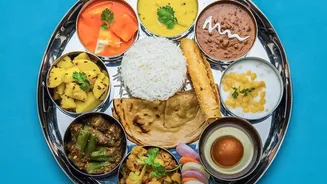
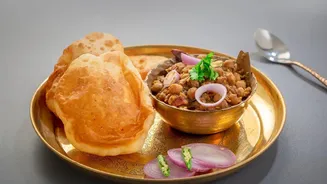
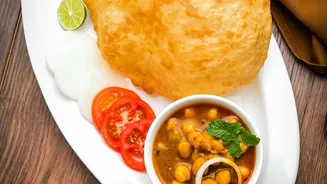
The Navratri and Onam festivals have turbocharged the comeback of one of India’s most beloved dining formats: the thali. For nine nights during Navratri, restaurants across the country roll out special 'vrat' or 'sattvik' thalis. These platters are a testament to culinary discipline, prepared without onion, garlic, or common table salt, using ingredients like kuttu (buckwheat), samak (barnyard millet), and sendha namak (rock salt). Establishments from local chains like Sagar Ratna to five-star hotels such as Taj and The Leela present their own versions, featuring dishes like Sabudana Vada, Kuttu ki Poori, and creamy Phirnis. Similarly, for Onam, the grand Onasadhya feast—a vegetarian spread with over 20 dishes served on a banana leaf—is being recreated by restaurants, offering a taste of Kerala's rich harvest festival. These thalis are not just meals; they are curated culinary journeys.
Experience is the Main Course
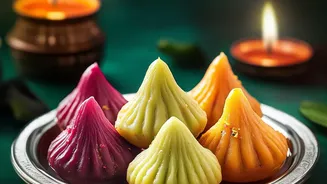
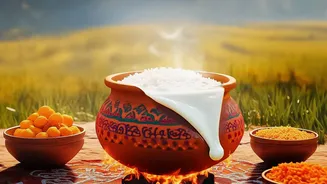
Beyond the food, the most successful festive campaigns focus on creating a complete sensory experience. It starts with visual appeal—themed decor, beautiful lighting, and staff in traditional clothes. But it extends to every touchpoint. For Diwali, this might mean a special buffet featuring a station dedicated to traditional homemade sweets and savouries like Chakli, Karanji, and Besan Ladoo, as seen at the Grand Hyatt Mumbai. Some restaurants even offer beautifully designed Diwali gift cards or hampers, turning a meal into a shareable festive present. This strategy turns the restaurant from a place to eat into a hub of celebration, tapping into the community spirit of the festival.
A Blend of Culture and Commerce
Ultimately, this trend is a powerful fusion of cultural reverence and smart business. For restaurants, food festivals are a proven way to increase footfall—by as much as 20-25%—and attract new customers eager for novel culinary experiences. They provide a fantastic marketing opportunity, generating buzz on social media and allowing chefs to showcase their creativity and connection to Indian heritage. For diners, it offers a chance to connect with their roots and celebrate traditions without the labour of preparing elaborate festive meals at home. It’s a reflection of a modern India that values both convenience and cultural authenticity, finding a happy middle ground in a beautifully curated festive thali or a celebratory meal with loved ones.