

The Classic Tiffin Gets a Modern Cousin
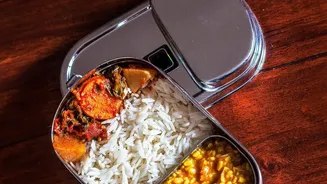
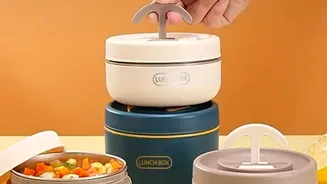
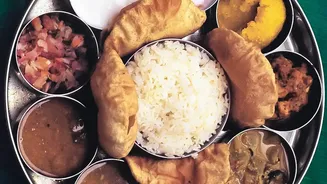
For generations, the stainless-steel tiffin, or 'dabba', has been an icon of Indian life. Its vertically stacked compartments are legendary for carrying warm, home-cooked meals from kitchen to office or school, a testament to durability and function.
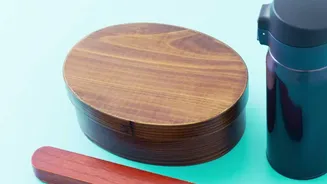
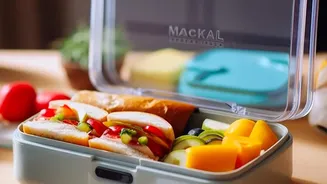
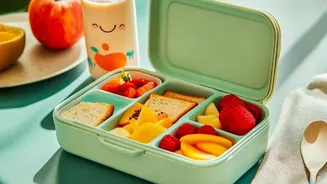
The bento box, however, offers a different approach. Originating in Japan, a bento is a single-level container with multiple fixed compartments designed to hold a single-portion meal. While the tiffin is about carrying generous, often related dishes like dal, sabzi, and rice, the bento is about separation, portion control, and visual presentation. It’s less a replacement for the beloved tiffin and more of a modern, versatile alternative that fits new-age needs.
The Practical Magic of Compartments
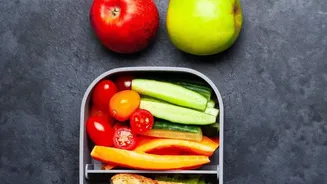
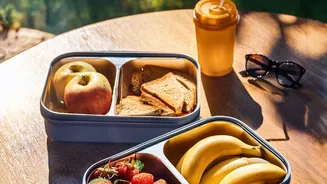
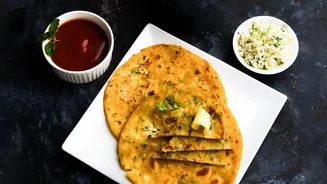
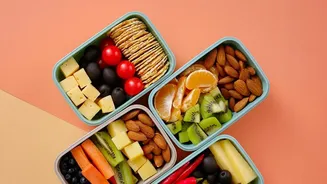
The primary appeal of the bento box lies in its organised layout. The built-in dividers solve a common lunchbox problem: foods touching and textures mingling. No more soggy parathas or rice soaking up all the curry before lunchtime. This separation keeps every element of the meal fresh and distinct. This design is particularly useful for encouraging healthier eating habits. The small compartments naturally guide portion control, making it easier to pack a balanced meal without overthinking it. For parents of picky eaters, the visual appeal and variety can be a game-changer, turning a simple meal into an exciting and appealing spread that kids are more likely to finish.
How to Pack the Perfect Indian Bento
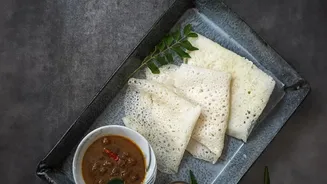
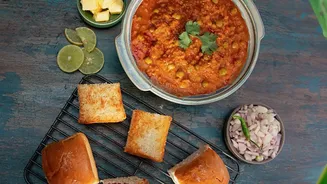
Adopting the bento box doesn't mean abandoning Indian flavours. In fact, our diverse cuisine is perfectly suited for it. The trick is to think in components. A great starting point is the 50/25/25 rule: 50% carbs, 25% protein, and 25% fruits and vegetables. Here’s a sample idea for a North Indian bento: dedicate the largest compartment to jeera rice or a neatly folded roti. A smaller, leak-proof section can hold dal makhani or paneer butter masala. Use the other compartments for a dry element like a vegetable stir-fry (sukhi sabzi), a few paneer tikka cubes, and a small portion of kachumber salad or a pickle. For South Indian meals, one section could have lemon rice, another could hold sambar, a third could feature a dry potato fry, and the smallest could have a dollop of yogurt or a few podi idlis. Small silicone cups are great for packing chutneys or raita without spills.
More Than Just a Box
The rise of the bento box in India is also tied to a broader interest in mindful eating and presentation. Preparing a bento is a creative process. The act of arranging food neatly can be a calming morning ritual, a small moment of care before a busy day. It also taps into the visual culture of social media; a colourful, well-organised bento box is inherently photogenic, and countless Indian home cooks now share their bento creations online, inspiring others. This trend isn't just about food; it's about finding joy and order in the everyday routine of packing a meal. It transforms a daily chore into an act of creativity and care.