








The allure of a multi-stop holiday is undeniable—a whirlwind of cities, cultures, and experiences packed into one grand adventure. But the secret to a seamless journey lies not just in the destinations, but in the time spent between them.
The Anatomy of a Transfer
When planning
a trip with multiple destinations, it’s easy to focus on the time you’ll spend in each city. However, the 'transfer time' is a critical component that often gets overlooked. This isn't just the layover between flights; it encompasses every moment you spend in transit. This includes the journey from your hotel to the train station, the time it takes to navigate a sprawling airport, and the travel from your arrival point to your next accommodation. Arrival and departure days are rarely full days of sightseeing; realistically, they are half-days at best once you factor in packing, check-out, transit, and check-in. Underestimating this can be the first domino to fall in a stressful travel day.
The Airport Gauntlet
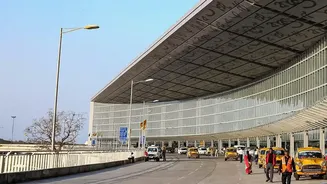
Airports are the most common and complex transfer points. A short connection time on paper can quickly evaporate in reality. For domestic flights, an hour might be manageable, but for international travel, it’s often insufficient. International connections frequently require you to go through passport control, undergo secondary security screenings, and sometimes even collect and re-check your baggage, especially when entering countries like the U.S. or Canada. A safe buffer for a simple domestic connection is generally 60 to 90 minutes. For international transfers, especially those requiring you to change terminals or clear immigration, 2 to 3 hours is a much safer bet. If you've booked your flights on separate tickets, the risk multiplies. Airlines are not obligated to help you if a delay on one flight causes you to miss another on a separate booking, so a buffer of 4 hours or more is recommended.
Beyond the Flight Deck
Transfers aren't exclusive to air travel. A multi-stop European holiday might rely on trains, where a tight connection in a large, unfamiliar station can be just as perilous as one in an airport. It’s crucial to consider the total door-to-door time. A short flight might seem faster than a train, but once you add travel to and from the airport, security lines, and boarding, a four-hour train journey between city centres often wins. When planning, look at the logistics of getting from the train platform to a taxi stand, or from the bus station to your hotel. Staying near major transit hubs can save significant time and stress on arrival and departure days.
The Domino Effect of a Missed Connection
A single missed connection can create a cascade of problems that unravel your entire holiday. The immediate consequence is stress, but the financial toll can be significant. You might lose the money spent on a non-refundable hotel booking, a pre-paid tour, or theatre tickets for that evening. The airline may put you on the next available flight, but that could be the following day, forcing you to pay for an unplanned hotel stay. On a tightly packed itinerary, this delay can have a domino effect, pushing back every subsequent step of your journey. Travel insurance with missed connection coverage can be a valuable safety net, often reimbursing costs to get your trip back on track.
Building a Resilient Itinerary
The key to a successful multi-stop trip is building in a 'buffer'. This isn't wasted time; it's an investment in a stress-free holiday. When booking, plot your destinations on a map to ensure a logical, one-way flow that avoids backtracking. Whenever possible, book your journey on a single ticket, as this protects you if a delay causes a missed connection. Be realistic about how many cities you can comfortably visit; every new stop costs you roughly one full day in transit. Finally, leave some slack in your schedule. Avoid scheduling unmissable activities on a travel day, and treat the first 24 hours in a new city as a time for lighter commitments to absorb any fatigue or delays.