


The Glorious Return of Khichdi
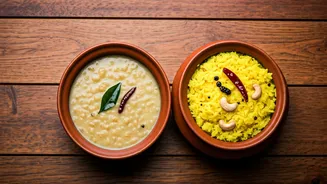
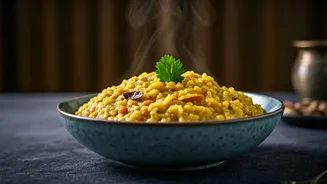
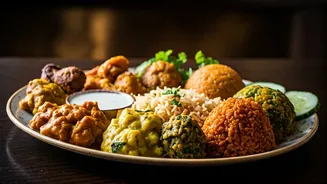
The food making a triumphant return to the centre of our plates is none other than khichdi. For generations, this simple, one-pot meal of rice and lentils has been the ultimate comfort dish, associated with home, healing, and monsoon evenings. [12, 21]
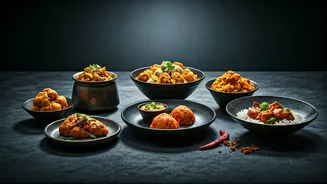
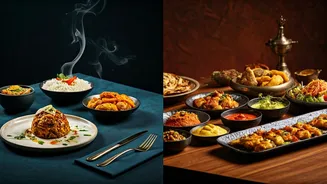
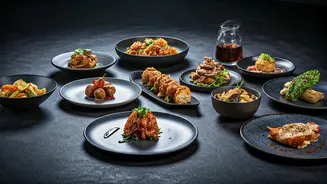
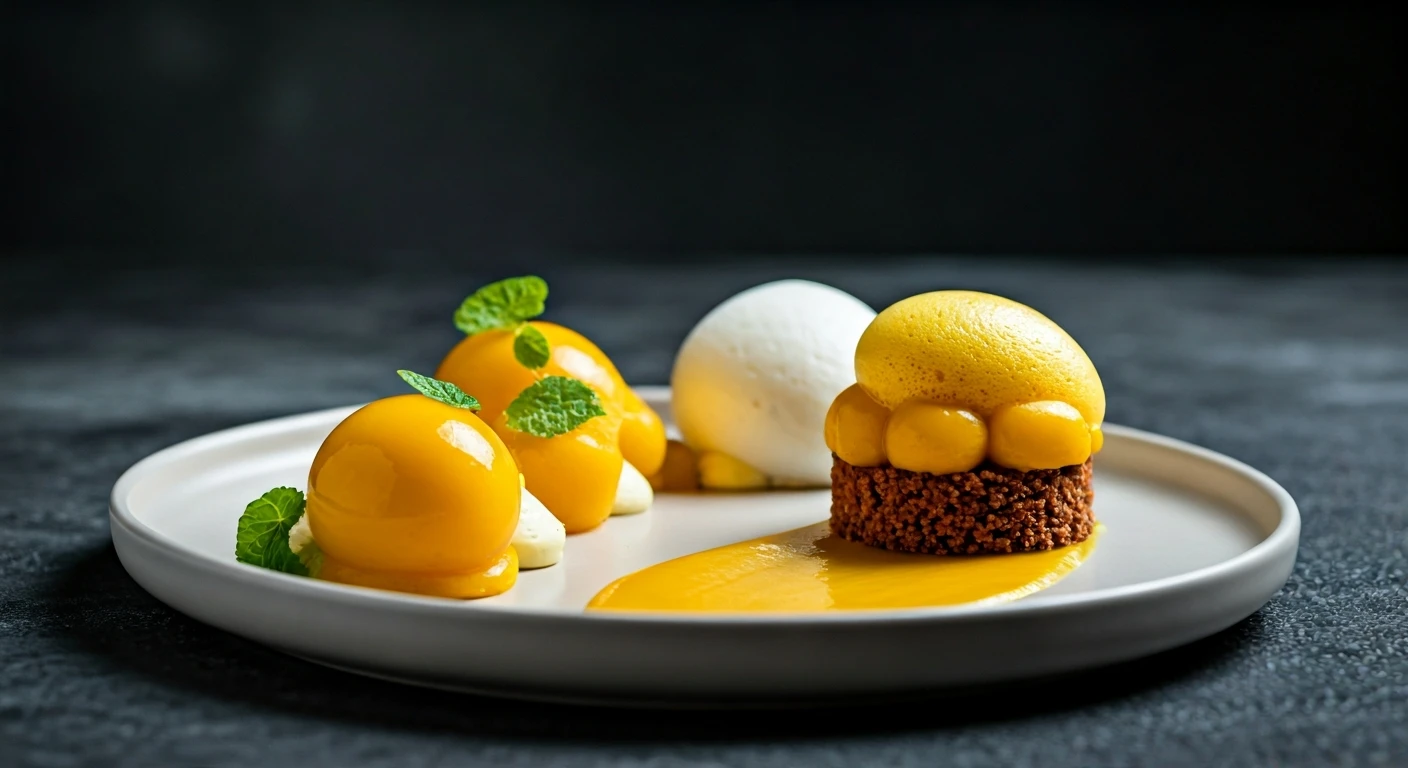
But in 2026, khichdi is shaking off its reputation as mere 'sick-person food' and is being celebrated in high-end restaurants and trendy cafes across India. [3, 7] From Delhi to Mumbai, chefs are re-imagining this classic, presenting it not as a humble gruel but as a gourmet experience, proving its incredible versatility. [18] This revival is part of a larger trend of diners seeking authentic, nostalgic flavours but with a modern, elevated twist. [17]
A Dish Steeped in Nostalgia
The emotional connection to khichdi is what gives it its enduring power. [12] For many Indians, the smell of a ghee-tempered tadka sizzling for khichdi is a direct link to childhood and the feeling of being cared for. [12] It’s a dish that transcends regions, with countless variations from the fiery Bisi Bele Bath in Karnataka to the wholesome Bajra Khichdi of Rajasthan and the festive Bhog'er Khichuri in Bengal. [18, 21] This newfound surge in its popularity is partly driven by what experts call "nostalgia marketing" and a collective desire to reconnect with our roots in an increasingly globalised world. [2, 3] In uncertain times, the familiar comfort of a dish like khichdi provides a sense of grounding and security that few other foods can offer. [17]
The 2026 Gourmet Glow-Up
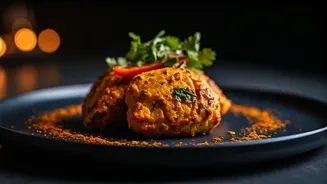
Today’s khichdi comeback isn’t just about recreating old recipes; it’s about reinvention. Chefs are giving the dish a 'glow-up' with top-shelf ingredients and innovative techniques. [7] Imagine khichdi made with alternative grains like quinoa and millets, or enriched with exotic vegetables, truffle oil, or even burrata. [19] Some restaurants are serving deconstructed versions, while others are creating fusion dishes like a Moong and Sorrel Khichdi or an Achaari Khichdi infused with pickling spices. [16, 18] This modern makeover respects the dish's comforting soul while elevating it with new textures, flavours, and an Instagram-worthy presentation, making it exciting for a new generation of diners. [7, 19]
Why Is the Comeback Happening Now?
Several factors are fuelling khichdi's revival. The post-pandemic era has seen a significant shift towards authenticity and experiences that feel real and intentional. [2] There is a growing movement of going back to traditional food logic and home-style cooking. [2, 4] Furthermore, as diners become more adventurous, there's a huge interest in exploring the depth and breadth of India's regional cuisines, moving beyond generic restaurant fare. [8] This has led chefs to dig into forgotten or 'ordinary' home-style dishes and present them on a larger stage. [5, 9] The focus on gut health and mindful eating also plays a role, with khichdi being seen as a wholesome, nutritious, and easily digestible meal that aligns perfectly with modern wellness trends. [4, 6]
How to Experience the Khichdi Renaissance
The best part about this trend is its accessibility. You can find gourmet khichdi on the menus of restaurants dedicated to modern Indian cuisine or even at specialized eateries focusing entirely on the dish. [7, 18] Five-star hotels have also begun featuring sections on 'Lost Recipes of India', where khichdi often stars. [3] At home, you can easily participate in this revival. Try experimenting with different lentils and grains like dalia or bajra. [19, 20] Elevate your tadka with whole spices like cinnamon and star anise, or add a mix of colourful vegetables for extra nutrition and flavour. [19] You can even give it a modern twist by serving it with unconventional toppings like a fried egg, pesto, or crispy bacon, proving that this comfort classic has endless possibilities.