








Beyond the Diwali Boom
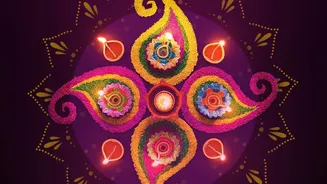
The Indian festive season is often viewed as a single, monolithic event culminating in Diwali. While major online marketplaces see record traffic during this period, this perspective misses the bigger picture. The country’s calendar is dotted with numerous
festivals like Holi, Raksha Bandhan, Navratri, Eid, Onam, and Christmas, each carrying its own unique culture and high-intent shopping categories. The real opportunity for brands is shifting from a short, high-stakes Diwali campaign to a sequenced, year-round strategy. This involves engaging audiences during quieter months and activating them across multiple festive windows, from Lohri in January to Christmas in December, creating sustained momentum rather than starting from scratch each year.
The Rise of the Non-Metro Shopper
India’s consumption growth is no longer a metro-centric story. The next wave of retail growth is surging from Tier-2 and Tier-3 cities. These regions now account for the majority of festive shoppers and e-commerce growth, with some reports indicating they drive over 60% of the expansion. During the 2025 festive season, non-metro cities accounted for nearly three-quarters of the total online order volume, with Tier-3 cities alone making up over 50%. This audience has rising disposable income and is increasingly digitally savvy, but their purchasing decisions are shaped by different local traditions and priorities. For retailers, this means that a one-size-fits-all national campaign is no longer sufficient. Winning this demographic requires a deep understanding of regional cultures and preferences.
From Discounts to Personalised Experiences
While deals still drive decisions for many Indian shoppers, the definition of value is evolving. Consumers are increasingly looking for more than just a lower price; they want quality, authenticity, and memorable experiences. This has led to a rise in experiential marketing, where brands focus on creating authentic connections that cut through the festive clutter. Technology is a key enabler here. Using data analytics and AI, brands can now move beyond generic promotions to offer hyper-personalised recommendations and content. This could mean suggesting festive outfits based on browsing history, creating gift guides for specific relationships, or tailoring messaging to reflect the unique cultural nuances of a regional festival. Communicating with customers in their vernacular language further strengthens this connection, making a brand feel more familiar and trustworthy.
The New Digital Shopping Landscape
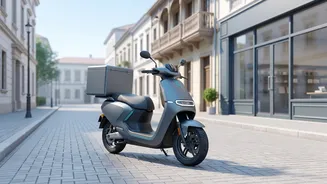
The way Indians shop during festivals has been fundamentally altered by e-commerce and mobile technology. With 85% of festive traffic now happening on mobile devices, online platforms have become the primary battlefield for customer attention. But it's not just about the big marketplaces anymore. Quick commerce has emerged as a dominant force, with its monthly user base swelling and sales projected to surge during festive periods. These platforms cater to impulse purchases and last-minute needs, creating demand that didn't exist before. At the same time, direct-to-consumer (D2C) brands are using platforms like WhatsApp and email to build direct relationships with customers, offering exclusive collections and personalized greetings that foster loyalty beyond the festive season. This multi-platform environment means retailers must be present wherever their customers are, with a strategy that adapts to each channel’s strengths.