





The Long-Standing Mystery of Size
For owners of Irish Wolfhounds, Saint Bernards, and other large breeds, the heartbreak of a short lifespan is a well-known reality. This phenomenon has puzzled scientists because it contradicts a general rule in the animal kingdom: larger species, like
whales, tend to live much longer than smaller ones, like mice. Within the single species of domestic dog, however, the opposite is true. This exception has made dogs an ideal model for studying the biology of aging, as their size, lifestyle, and environment can be closely monitored. Previous research has confirmed that rapid growth in large dogs is linked to faster aging and higher cancer rates, but the precise molecular reason has remained elusive.
An 'Epigenetic Clock' on DNA
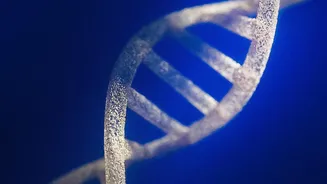
The new research, part of the Dog Aging Project, zooms in on a process called DNA methylation. Think of your dog’s DNA sequence as the permanent ink in a book. Methylation is like a series of sticky notes and highlights placed on top of the text, telling the cells which genes to read and which to ignore, without changing the text itself. These 'epigenetic' marks change predictably over an animal's life, acting as a kind of 'epigenetic clock' that measures biological age, which can be different from chronological age. As an animal gets older, the pattern of these sticky notes can become messy, leading to problems.
What the Study Found About 'Jumping Genes'
By analyzing DNA from nearly 900 dogs across 120 breeds, scientists discovered a clear link between size and the rate of epigenetic aging. Specifically, they looked at 'transposable elements', often called 'jumping genes'. These are stretches of DNA that can copy themselves and move around the genome. Normally, methylation acts like a leash, keeping these jumping genes quiet and preventing them from causing damage. The study found that as dogs age, this leash loosens—a process called demethylation. This loss of control happens much faster in large dogs.
The Cost of Growing Big, Fast
The findings suggest a direct molecular explanation for the size-lifespan tradeoff. Giant breeds lost about 35% more of this crucial DNA methylation on certain jumping genes each year compared to small breeds. When these genes are no longer suppressed, they can 'jump' around, damaging DNA, creating genomic instability, and increasing the risk for age-related diseases like cancer. In essence, the rapid growth that breeders have selected for in large dogs seems to come at an epigenetic cost. Their bodies appear to age faster at a molecular level, meaning a four-year-old Great Dane is biologically older than a four-year-old Pomeranian.
What This Means for Dog Owners
While these findings are a major breakthrough, they don't yet offer a way to slow down your dog's aging process. Researchers are still determining if this loss of methylation is a direct cause of aging or just a marker of it. However, identifying this molecular signature is a critical first step. It gives scientists a specific target to investigate for future therapies that could potentially extend the 'healthspan'—the period of healthy life—for our largest and most beloved companions. For now, the research provides a deeper understanding of the biological clock ticking within our pets and reinforces the importance of cherishing the time we have with them.