




The Usual Suspects
First, a quick refresher. Ultra-processed foods are not just foods with added salt or sugar. According to the widely used NOVA classification system, they are industrial formulations made mostly or entirely from substances extracted from foods or derived
from food constituents. Think fizzy drinks, packaged snacks, and ready-to-eat meals. Numerous studies have linked high consumption of these foods to a greater risk of obesity, heart disease, type 2 diabetes, and even early death. These products are often high in unhealthy fats, added sugars, and salt, while being low in fibre and essential nutrients. This established link is the foundation of current dietary advice to limit them.
Questioning the Category
The latest nutrition science, however, is beginning to question the broad, catch-all nature of the 'ultra-processed' category. A growing number of experts argue that the NOVA system, while useful, is too blunt an instrument. It groups together foods with vastly different nutritional profiles. For example, a mass-produced whole-grain bread and a sugary breakfast cereal could both be classified as UPFs, yet they have very different effects on health. Similarly, fortified foods, which have added vitamins and minerals to improve public health, often fall under the UPF banner, creating a potential paradox for consumers.
Processing vs. Nutrients
The core of the new debate is whether the danger lies in the industrial processing itself or simply in the poor nutritional content of most UPFs. Some studies suggest that factors beyond just nutrients—like changes to the food's physical structure, additives, and even chemicals from packaging—may play an independent role in health risks. However, other experts believe the focus should remain on the well-established harms of excess sugar, salt, and unhealthy fats, which are common in many, but not all, UPFs. They argue that demonising 'processing' could be a misstep, similar to the low-fat diet craze of the past which led to a surge in high-sugar, low-fat products.
Not All UPFs are Villains
Emerging research supports the idea that some UPFs might be neutral or even beneficial in certain contexts. Plant-based meat alternatives, for instance, are ultra-processed but can offer environmental benefits over conventional meat. Some studies have found that while items like processed meats and sugary drinks are consistently linked to poor health, other UPFs like certain breads, cereals, and yogurts may not carry the same risk and can contribute useful nutrients like fibre to the diet. This suggests a more targeted approach, focusing on reducing specific harmful categories of UPFs rather than a blanket ban, might be more effective.
A Smarter Path Forward
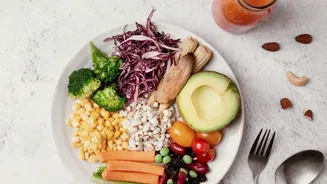
So, what does this mean for the average person in the grocery store aisle? It means moving beyond a simple good-food, bad-food mentality. Instead of asking, 'Is this processed?' a better question might be, 'What's in this?' Reading labels for high levels of added sugar, sodium, and saturated fat remains the most reliable strategy. The overall quality and pattern of your diet is what matters most. An occasional bag of chips in an otherwise balanced diet of whole foods is very different from a diet dominated by convenient, ready-to-eat meals. The goal isn't to achieve a diet free of any processing but to prioritise minimally processed foods like fruits, vegetables, and lean proteins while being selective and mindful about which processed foods we choose.