




The Great Indian Vitamin D Deficit
You might assume that a country blessed with abundant sunshine would have no issues with vitamin D. However, modern Indian life has created a perfect storm for deficiency. Urban lifestyles mean more time spent indoors—in offices, homes, and cars—away
from direct sunlight. Even when outside, concerns about tanning and heat lead many to actively avoid the sun. Furthermore, high levels of air pollution in many cities can block the specific UVB rays required for the skin to synthesise vitamin D. Indian skin, which is rich in melanin, offers natural protection from sun damage but also requires longer sun exposure to produce the same amount of vitamin D as lighter skin tones. The result is a widespread health issue affecting people across all ages and regions.
Why Your Personal Needs Matter
A one-size-fits-all approach to vitamin D doesn't work because individual requirements vary significantly. Age is a major factor; older adults are less efficient at producing vitamin D in their skin. Your diet plays a crucial role, especially for vegetarians, as most natural food sources of vitamin D are animal-based. Those who are overweight may also have lower active vitamin D levels, as the vitamin can get trapped in body fat. Additionally, certain health conditions that affect gut absorption can limit how much vitamin D your body can use from food. Understanding these personal factors is the first step toward building a diet that truly supports your health.
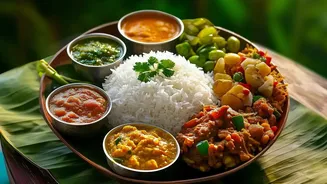
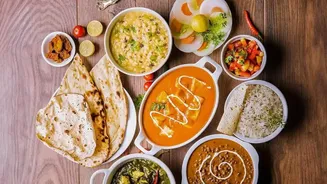
Non-Vegetarian Powerhouses on Your Thali
For non-vegetarians, incorporating certain foods can provide a significant vitamin D boost. Fatty fish are among the best natural sources available. In India, this includes oily fish like Hilsa (Ilish) and Indian Mackerel (Bangda). A regular serving of these fish can make a substantial contribution to your daily needs. Another accessible and potent source is the humble egg yolk. While the amount is less than in fatty fish, including a few eggs in your weekly diet provides a helpful dose of vitamin D along with other essential nutrients. When choosing fish, opting for methods like grilling or curry preparations helps retain its nutritional value.
Finding Vitamin D in a Vegetarian Diet
The options for naturally vitamin D-rich vegetarian foods are very limited, which makes conscious choices even more critical. The most notable plant-based source is mushrooms, but with an important catch: they must be exposed to UV light. Mushrooms contain a substance that converts to vitamin D2 when hit by sunlight or an artificial UV source. Regular mushrooms grown in the dark have very little. Look for mushrooms specifically labelled as UV-treated or try sun-drying them yourself. Even then, they are best seen as a helpful addition rather than a complete solution.
The Essential Role of Fortified Foods
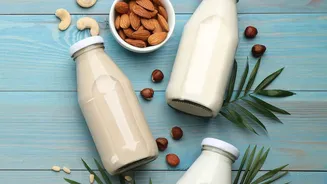
For a majority of Indians, especially vegetarians, fortified foods are the most reliable and practical dietary source of vitamin D. Fortification is the process of adding micronutrients to everyday staple foods. In India, you can find vitamin D added to milk, edible oils, and some brands of atta (wheat flour). Many breakfast cereals and plant-based milks like soy or almond milk are also fortified. It is crucial to check the packaging and nutritional labels, as not all brands fortify their products. A glass of fortified milk or using fortified oil in your daily cooking can be an effortless way to increase your intake without drastically changing your diet.