


The Social Media Time Machine
The primary engine driving this rediscovery is social media. Platforms like Instagram and TikTok have become digital time machines, serving up 15-second clips of iconic songs and scenes to a new generation. A catchy hook from a 90s track like 'Pehla Nasha'
or 'Tujhe Dekha Toh' can go viral overnight, completely detached from its original film context. For many Gen Z viewers, the first encounter with a classic isn't the full movie but a fan edit, a meme, or a dance challenge. This bite-sized exposure piques their curiosity, leading them from a viral Reel to searching for the full film on a streaming service. It’s a phenomenon where the algorithm acts as a cultural curator, reintroducing decades-old content to a fresh audience.
A Craving for Simpler Stories
Beyond the viral clips, many younger viewers are connecting with the emotional core of older films. In an era of complex, often cynical narratives, the straightforward romanticism of 90s and early 2000s Bollywood feels like a breath of fresh air. Actor Kajol, a star of that era, notes that young fans are drawn to the passionate and cleanly-told love stories of films like 'Kabhi Khushi Kabhie Gham' and 'Pyaar Toh Hona Hi Tha'. These movies often feature grand gestures, soulful music, and an idealism that offers an escape from the complexities of modern life. For a generation raised on a diet of gritty web series and nuanced characters, the earnestness and emotional sincerity of classic Bollywood can be deeply appealing.
Retro Fashion Makes a Comeback
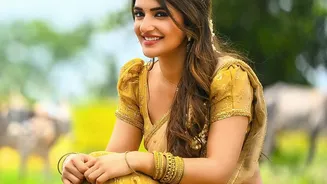
Fashion is another major gateway for Gen Z's Bollywood obsession. The Y2K and 90s aesthetics are back in a big way, and old Hindi films are a primary source of inspiration. Think Anjali's sporty tracksuits in 'Kuch Kuch Hota Hai', the chiffon sarees of 'Dilwale Dulhania Le Jayenge', or the wide-leg jeans and crop tops that defined the early 2000s. Young fashion influencers and celebrities are recreating these looks, labelling them as 'retro' or 'vintage'. This revival isn't just about copying old styles; it's about reinterpreting them. Gen Z might pair a traditional dupatta with a contemporary outfit or rock oversized jewellery that was once reserved for special occasions, blending heritage with modern self-expression.
The Comfort of 'Newstalgia'
Perhaps the most powerful factor is a phenomenon sometimes called 'newstalgia'—a nostalgia for a time you've never actually lived through. For Gen Z, who grew up in a hyper-connected, often overwhelming digital world, the pre-internet era depicted in older films seems like a simpler, more authentic time. It represents a world with less digital overstimulation, where connections felt more direct and personal. This isn't about an accurate historical understanding but about the 'vibe'—the warm, romanticised feeling these films evoke. In a world of constant updates and anxieties, the predictable, feel-good arcs of classic Bollywood offer a unique form of comfort and emotional escape.
Accessibility and Shared Experience
Finally, none of this would be possible without the sheer accessibility of these films. Streaming platforms like Netflix, Amazon Prime Video, and others have vast libraries of older titles, often restored for better viewing quality. This makes discovery easy and immediate. Furthermore, it creates opportunities for intergenerational bonding. For many families, watching a parent's favourite film from their youth has become a shared experience, with services like Gaana and Spotify offering curated playlists that bridge the musical gap between generations. The re-release of classic films in theatres has also proven successful, driven by Gen Z's fear of missing out on a communal cultural experience their peers are enjoying.