






The Great Sizing Mystery
The primary reason a 'Large' from one brand fits like a 'Medium' from another is simple: there is no mandatory, universal sizing standard. Most apparel brands in India have historically followed sizing systems based on US or UK standards, which don't
always align with the diversity of Indian body types. This forces each company to create its own size chart based on its specific target customer, leading to massive inconsistencies. Adding to the confusion is 'vanity sizing', a marketing practice where brands label clothes with smaller sizes than their actual measurements to make shoppers feel better. A size that was a '12' in the past might be labelled a '6' today. This lack of a common benchmark is a leading cause of confusion and high return rates for online purchases.
Your New Best Friend: The Measuring Tape
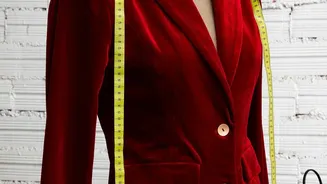
Instead of relying on inconsistent S/M/L labels, the most powerful tool in your shopping arsenal is a flexible measuring tape. Creating an updated record of your own body measurements is the key to navigating different brand charts. To get started, stand straight in front of a mirror, wearing minimal clothing. The tape should be snug but not tight. The key measurements to record are: Bust (around the fullest part of your chest), Waist (around the narrowest part of your torso, usually just above your navel), and Hips (around the widest part of your hips and bottom). For trousers, also measure your inseam from the crotch down to your ankle or preferred length. Having someone help can ensure accuracy.
Create a Personal Master Chart
Once you have your core numbers, create a simple 'master chart' for yourself. You can use a notebook or a notes app on your phone. List your key measurements in both inches and centimetres, as different brands use different units. This personal record is your ground truth. Over time, you can add notes next to your measurements about how specific brands fit you. For example: "Brand X: Size L fits well, but trousers are always long," or "Brand Y: Their 'Medium' is more like a 'Small' in the shoulders." This 'updated record' becomes an invaluable, personalized guide that gets smarter with every purchase, helping you remember which brands run large or small.
How to Read Any Brand's Size Chart
With your master chart in hand, you can now confidently approach any brand's size guide, which is usually found on the product page. The crucial step is to ignore the 'Size' column (S, M, L, etc.) at first and look directly at the columns for bust, waist, and hip measurements. Compare your personal measurements to those on the chart to find the size that aligns most closely with your numbers. If you are between sizes, consider the garment's fit and fabric. For a 'slim fit' style or a non-stretch fabric like cotton, it's often wise to size up. For a 'relaxed fit' or a stretchy material like spandex, you might be comfortable with the smaller size. Also, check customer reviews, as shoppers often leave feedback on whether an item runs true to size.
A Glimpse into a Standardized Future
The good news is that a solution to this widespread inconsistency is on the horizon. The Indian Ministry of Textiles is introducing a national apparel sizing framework called INDIAsize. This initiative is based on an extensive survey of over 25,000 individuals across India, using 3D body scanning to develop size standards that reflect Indian body types rather than Western ones. As more brands adopt this framework, it should lead to greater consistency, better-fitting clothes, and a much less confusing shopping experience for everyone. Until this system is widely adopted, however, your personal measurement record remains your most reliable guide for a successful purchase.