





The Great Escape That Wasn't
For many living in India’s bustling Tier 1 metros, a long weekend triggers a predictable, often stressful, ritual. The plan is simple: escape the city. The reality, however, is a mass exodus where everyone has the same idea. Traffic on expressways like
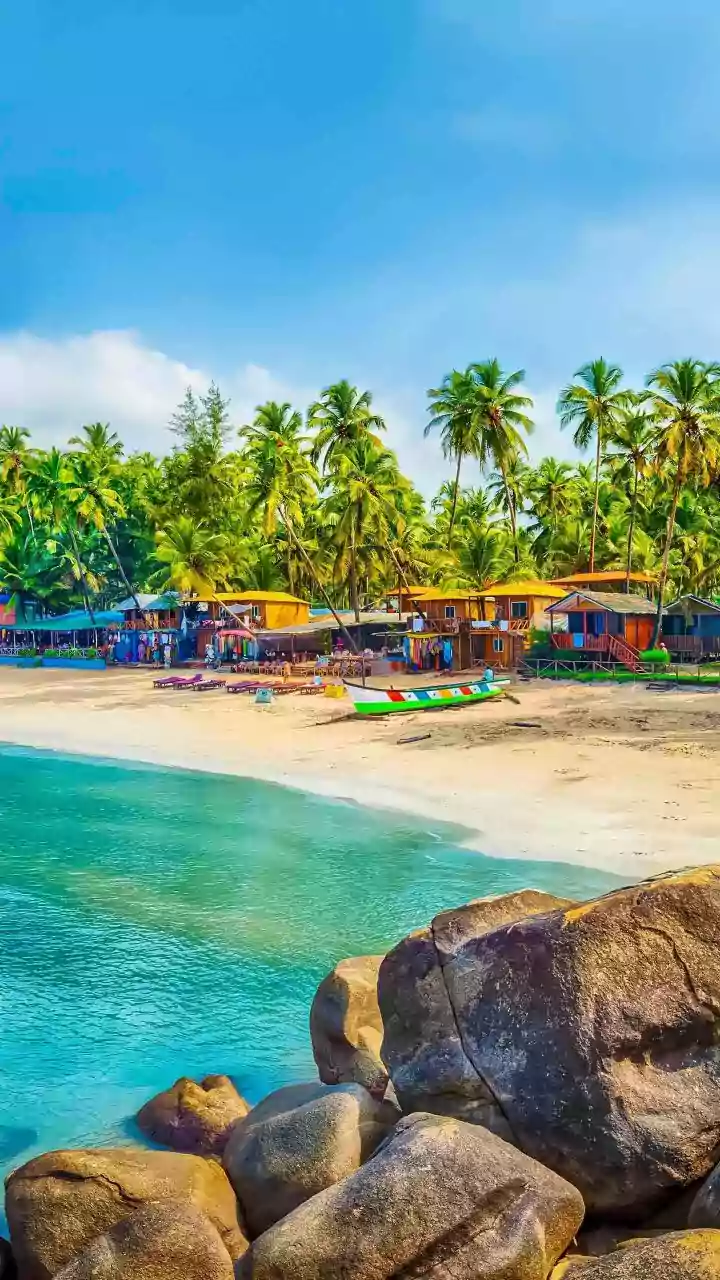
the Mumbai-Pune route can surge by three to four times, turning a three-hour drive into a seven-hour crawl. Airports in major cities also become chokepoints of chaos, with long queues and delays becoming the norm. By the time you reach popular destinations like Goa or Shimla, you’re often greeted by the same crowds you were trying to escape, along with peak-season pricing for hotels and food that adds financial stress to the mix. You spend more time and money getting there and back than you do actually relaxing, returning home more tired than when you left.
The Tier 2 Advantage
Now, consider the alternative from a Tier 2 city. These emerging urban centres—like Jaipur, Lucknow, Pune, Chandigarh, and Coimbatore—offer a different pace of life. They blend modern amenities with less congestion and are often located in closer proximity to incredible, and frequently overlooked, natural landscapes. The very definition of a Tier 2 city includes characteristics like lower population density and a more relaxed lifestyle, which extends to how its residents travel. Instead of a frantic, cross-country dash, a long weekend escape becomes a short, manageable drive to a nearby forest reserve, a quiet lakeside camp, or a boutique eco-resort nestled in the hills. The journey itself is part of the relaxation, not an obstacle to it.
Authenticity Over Crowds
The destinations surrounding Tier 2 cities often provide a more authentic and immersive experience. While major tourist hubs have become commercialised, these smaller green getaways offer genuine connection. Think of waking up in a farm stay near Pune, exploring the serene forests of the Aravalli Range near Jaipur, or visiting a quiet tea garden retreat a few hours from Coimbatore. These places aren't just about sightseeing; they're about experiencing local culture, cuisine, and a slower way of life. Tourism in these areas often supports local communities directly, from family-run homestays to local guides who share their intimate knowledge of the region. You get to hear birdsong instead of traffic horns and see a star-filled sky without the glow of city lights.
Less Travel, More Living
The most significant advantage is the simple math of time. A quick two-hour drive to a place like the Morni Hills from Chandigarh means your vacation starts almost as soon as you leave home. Compare that to the half-day or more spent in transit from a Tier 1 city. This extra time is not just a number; it’s an entire afternoon spent reading by a lake, an unhurried nature walk, or simply doing nothing at all. This hyperlocal approach to travel is gaining traction because it prioritises the quality of the break over the distance covered. It swaps travel fatigue for genuine rest and rejuvenation, which is the entire point of a holiday.
Kind to Your Wallet and Your Mind
This mode of travel is also significantly more affordable. With lower demand compared to mainstream hotspots, local getaways around Tier 2 cities offer better value. Accommodation, food, and activities are reasonably priced, removing the financial anxiety that can accompany a big trip. Eco-resorts, heritage properties, and homestays provide unique and comfortable lodging without the exorbitant price tags of their big-city-adjacent counterparts. This financial ease contributes directly to a more relaxed state of mind, allowing you to fully disconnect and enjoy your break without worrying about the bill waiting for you at the end.