



The Fabric Dilemma: Swapping Heavy for Light
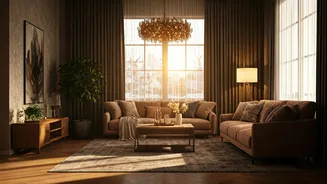
The 2026 trend reports are filled with rich, tactile fabrics like heavy velvets, bouclé, and dense, handwoven textiles. While these add a layer of cosy sophistication in cooler, drier climates, they can become a liability during the Indian monsoon. High
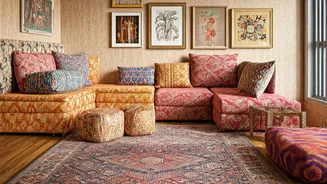
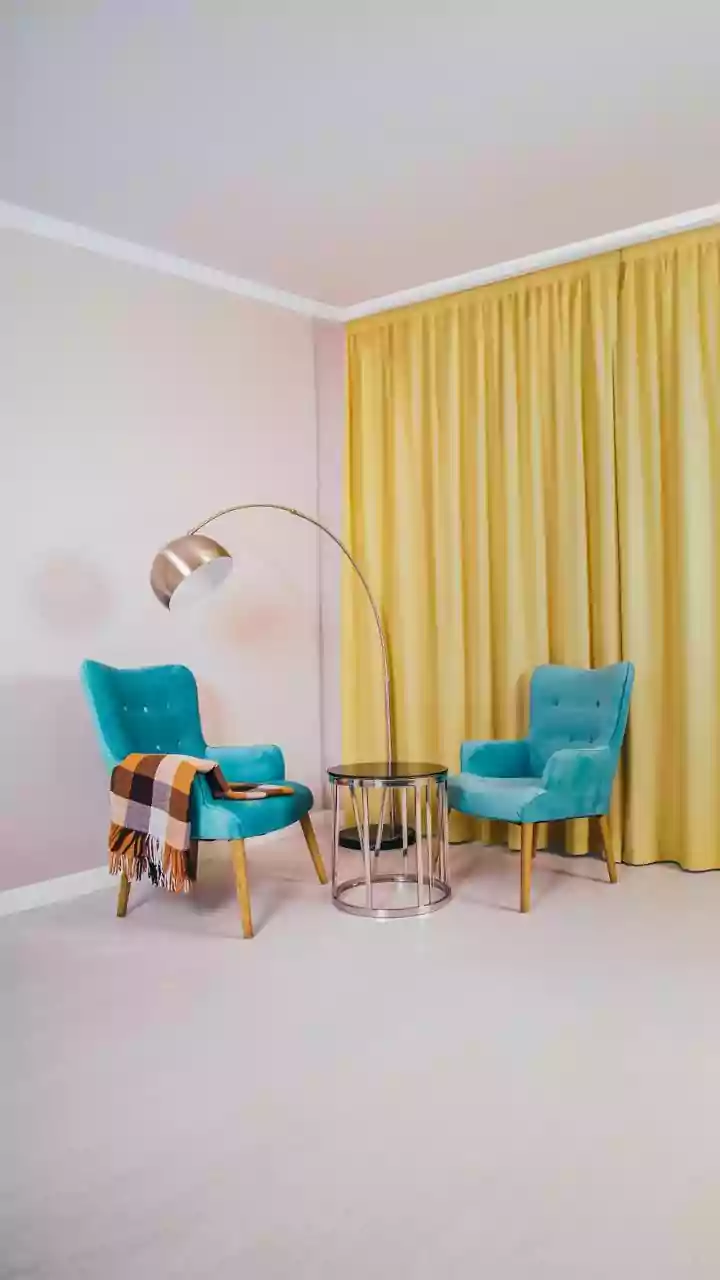
humidity means these materials absorb ambient moisture, making them feel perpetually damp, develop musty odours, and become breeding grounds for mould. Instead of giving up on texture, adapt the trend by opting for lighter, more breathable materials. Swap out heavy drapes for sheer voile or lightweight cotton curtains that allow air to circulate and dry quickly. For cushion covers and throws, choose fabrics like pure cotton, linen, or cotton-linen blends. These natural fibres are excellent at managing moisture and will keep your home feeling fresh and airy, not stuffy and damp.
Wooden Furniture and its Worst Enemy: Humidity
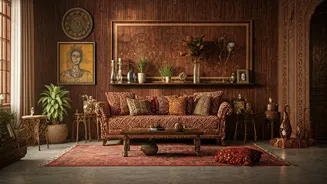
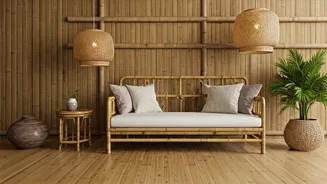
A major global trend is the return of rich, dark wood tones like walnut and an appreciation for natural, raw wood furniture. However, wood is notoriously susceptible to damage in the monsoon, when high humidity can cause it to swell, warp, and even attract termites. This doesn't mean you must banish wood from your home. The key is protection and placement. Ensure any wooden furniture is properly polished or waxed, which creates a protective barrier against moisture. The most critical rule is to keep wooden pieces at least four to six inches away from damp exterior walls to prevent moisture absorption. For new purchases, consider furniture made from Boiling Water Proof (BWP) plywood or woods known for their durability in humid conditions. Alternatively, embrace other trending materials like rattan, cane, or metal, which are less affected by moisture and add a stylish, contemporary touch.
Walls and Floors That Can Breathe
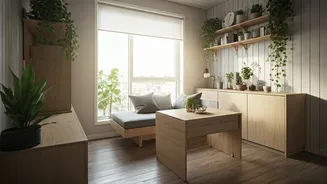
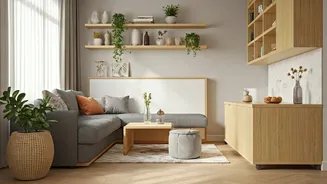
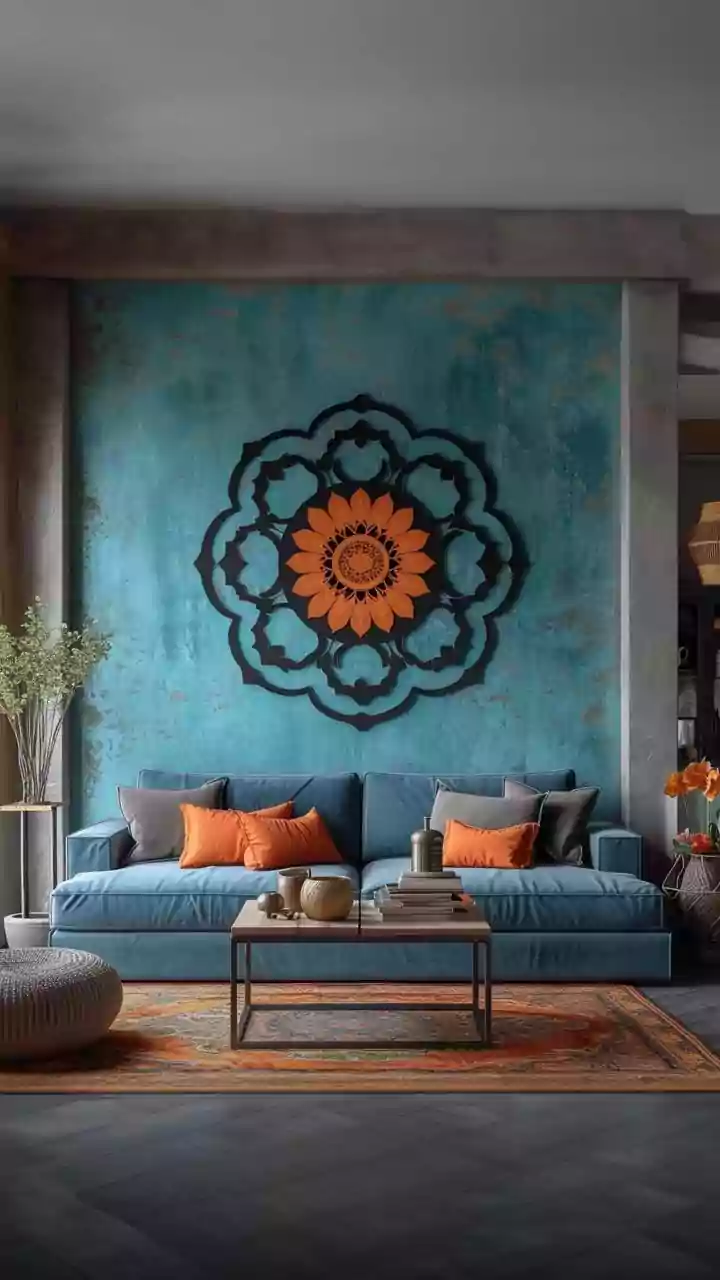
Textured wallpapers and wall-to-wall carpeting are popular ways to add depth and warmth to a room, but they are ill-suited for the rainy season in India. Wallpaper can peel in the damp, and carpets trap moisture, leading to mould and unpleasant odours. A more monsoon-friendly approach is to use washable paints, preferably with anti-fungal or mould-resistant properties. You can still embrace bold colour trends with a feature wall in a trending emerald green or terracotta. For floors, hard surfaces like vitrified tiles, stone, or polished concrete are the most practical choice. To add softness and colour, use lightweight cotton dhurries or rugs instead of thick carpets. They are easier to wash, dry quickly, and can be rolled up and stored if the dampness becomes excessive.
Accessorising Smartly: Beating the Gloom
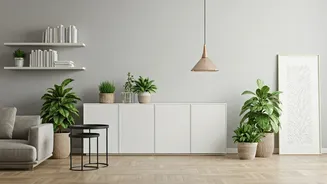
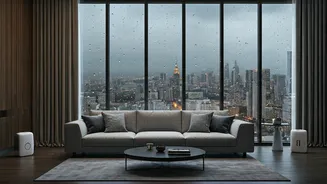
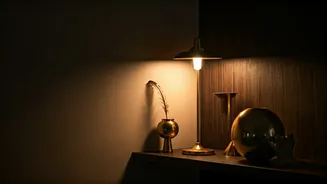
The grey, overcast skies of the monsoon can make interiors feel dark and gloomy. Combat this by being strategic with light and accessories. Global trends favour personalised, collected spaces, which works perfectly here. Use mirrors and metallic objects like brass or chrome decor to reflect light around the room, creating an illusion of brightness and space. Ditch the single overhead light in favour of layered lighting. Use warm-toned bulbs in floor lamps and table lamps to create a cosy, inviting glow that counters the grey light from outside. This is also the perfect time to tackle musty monsoon smells. Use scented candles, incense, or diffusers with fresh fragrances like lemongrass, eucalyptus, or sandalwood. These not only improve the air but also add to the warm, comforting atmosphere that makes being indoors during the rain a pleasure.