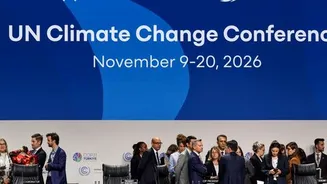





After running two days into overtime, the COP31 climate summit in Antalya, Turkey, has collapsed without a final agreement. Hopes for a landmark deal to accelerate climate action were dashed, marking the first such failure since 2009.
Why the Talks Fell Apart
The marathon negotiations,
the longest in COP history, ultimately broke down over two deeply divisive issues: the phasing out of fossil fuels and the provision of climate finance to developing nations. A final draft of the agreement, known as the Antalya Pact, was rejected by a coalition of countries including the European Union and many climate-vulnerable states because it contained no direct mention of transitioning away from fossil fuels like coal, oil, and gas. This was seen as a significant step backward. At the same time, many developing countries, including India, voiced profound disappointment over the failure to secure firm financial commitments from wealthy nations to help them adapt to climate change.
The Deepening Divide on Finance
Finance was a major point of contention. Developing countries argued that developed nations, which are historically responsible for the bulk of emissions, must provide predictable and scaled-up financial support. India, speaking for the Like-Minded Developing Countries (LMDC) group, stated that climate finance was described as 'dead in the water' during negotiations. A key proposal to triple adaptation finance to at least $120 billion a year by 2035 was a major sticking point. Initial drafts included this figure, but it was removed from the final text, leaving only a vague commitment and dashing the hopes of nations already facing severe climate impacts.
India's Position at the Summit
India played a constructive role, pushing for outcomes rooted in equity and the principle of 'common but differentiated responsibilities'. The Indian delegation argued that developing countries cannot be expected to shoulder the burden of climate action without adequate financial and technological support from developed countries who have exhausted the 'carbon budget' over centuries of industrialisation. While the summit failed to deliver on India’s key demands for finance, it did succeed in ensuring that language around methane reduction took into account food security and the livelihoods of small farmers—a critical issue for India's agricultural sector.
The Fossil Fuel Impasse
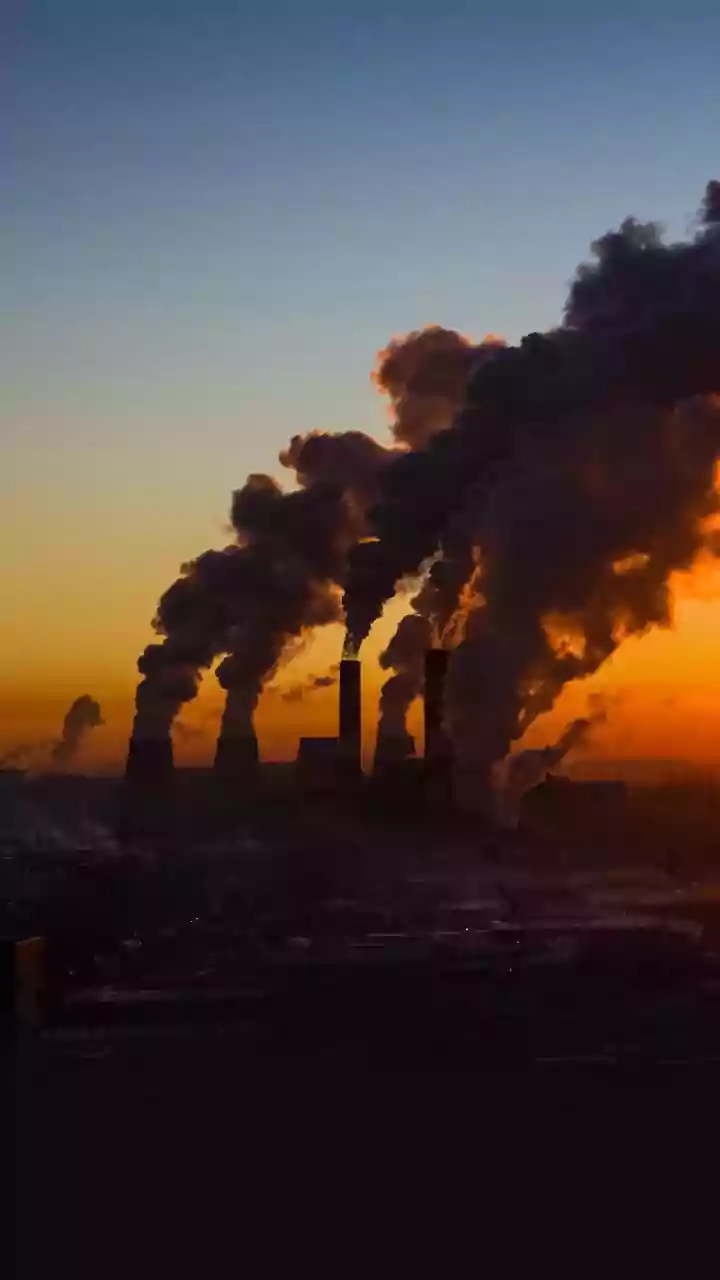
The future of fossil fuels proved to be an unbridgeable gap. While a large coalition of countries pushed for clear language on phasing out coal, oil, and gas, oil-producing states and their allies resisted. The final proposed text was criticised for not only omitting a fossil fuel phase-out but also for promoting unproven carbon capture technologies, which many activists and nations saw as a dangerous distraction. The European Union and other nations refused to endorse a text they felt would 'greenwash' fossil fuels and undermine previous commitments. The failure to even mention fossil fuels in the final text was a red line for many, leading them to reject the deal outright.
Is This the End of Climate Cooperation?
While the collapse of the main agreement is a significant political failure, it doesn't mean all progress has stopped. Several smaller agreements on issues like the Just Transition Work Programme were adopted. Furthermore, existing commitments under the Paris Agreement remain in place. However, the failure in Antalya exposes deep geopolitical fractures and the immense challenge of achieving consensus among nearly 200 countries. UN Secretary-General António Guterres expressed deep disappointment, blaming the influence of 'powerful fossil fuel interests'. Many observers believe that 'no deal is better than a bad deal' that would have weakened global climate ambition.