





An Invitation to Build a New World
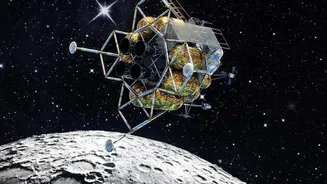
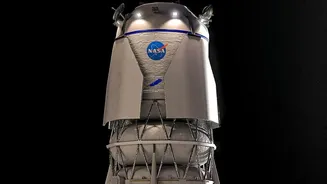
During an early August meeting at ISRO headquarters in Bengaluru, NASA extended a formal invitation for India to participate in its Moon Base program. This isn't just a friendly offer; it's a strategic move to bring one of the world's most dynamic space
powers into the fold of the U.S.-led Artemis program, which aims to establish a long-term human presence on the Moon. The invitation is a direct result of India signing the Artemis Accords in 2023, a set of principles for safe and transparent space exploration. While details are still being discussed, potential ISRO contributions could range from robotics and scientific instruments to communications systems and other critical infrastructure needed for a lunar outpost near the Moon’s south pole.
Why NASA Needs Partners Like India
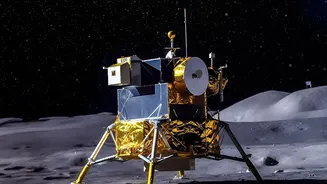
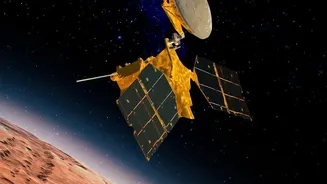
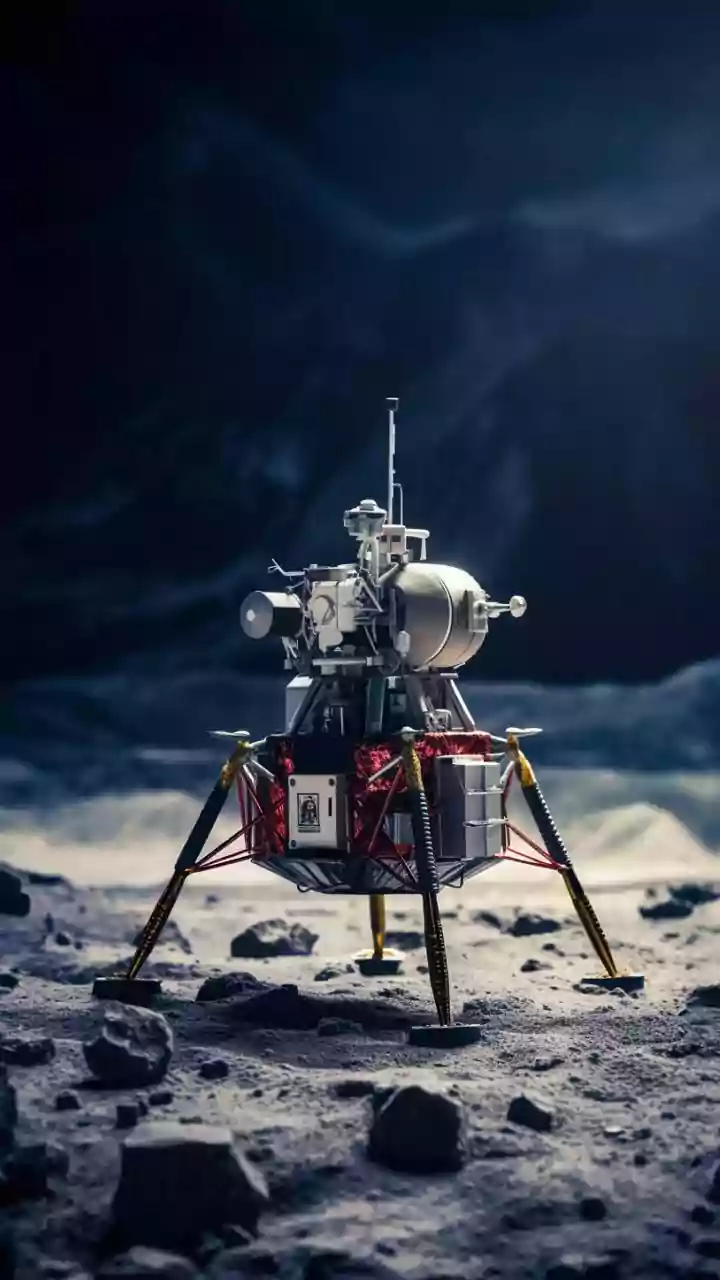
Building a settlement on the Moon is arguably one of the most complex and expensive engineering projects in human history. NASA has been clear that it cannot and does not want to do it alone. The Artemis program is fundamentally designed as an international collaboration, sharing the immense costs and leveraging the unique strengths of each partner nation. For NASA, India is an ideal partner. The Indian Space Research Organisation (ISRO) has a proven track record of executing sophisticated and highly cost-effective missions, most notably the successful Chandrayaan-3 landing near the lunar south pole in 2023 and the Mars Orbiter Mission. A U.S. official described India as a “formidable space power,” making deeper collaboration a natural evolution of the two countries' long-standing partnership.
The Geopolitical View from Orbit
This partnership extends far beyond scientific curiosity. It represents a significant alignment in the new era of space geopolitics. The U.S. and its allies under the Artemis Accords are in a strategic competition with the parallel lunar ambitions of China and Russia. By bringing India and its considerable capabilities into the Artemis framework, the U.S. strengthens a democratic coalition for space exploration. India, which has traditionally maintained strategic autonomy in its foreign policy, views the collaboration as a way to avoid technological isolation and align with emerging global standards for space governance. This alliance is not just about exploring the Moon; it's about shaping the rules for how humanity will operate in space for decades to come.
What India Gains from the Deal
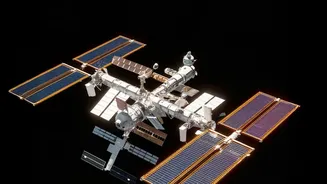
For India, the invitation is a major opportunity to accelerate its own ambitious space goals, which include landing an astronaut on the Moon by 2040 and establishing its own space station. Partnering on the Moon base provides invaluable experience and access to cutting-edge technologies without having to reinvent the wheel, saving significant time and resources. The collaboration builds on existing joint projects, like the recently launched NISAR Earth-observation satellite, and deepens cooperation in areas like human spaceflight training and open data sharing. While ISRO will carefully weigh how the partnership affects its own project timelines and autonomy, the collaboration offers a fast track to becoming a frontline player in the next chapter of human space exploration.