
Nepal: The Monsoon's Lush Farewell
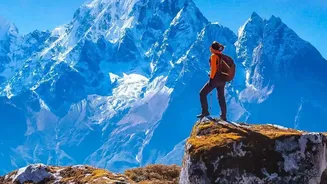
September in Nepal marks the beautiful transition from monsoon to autumn. Early in the month, you can still expect occasional afternoon showers, a final act from the retreating monsoon. However, these rains leave behind a breathtakingly vibrant and green
landscape, with dust-free air and full waterfalls. By mid-September, the weather dramatically improves, ushering in clearer skies and the start of the prime trekking season. Temperatures are pleasant, typically in the low 20s Celsius in Kathmandu and Pokhara, making it ideal for exploring. The biggest advantages of visiting in September, especially the first half, are fewer crowds on popular trails and lower prices for accommodation. While trekking routes in regions like Everest and Annapurna become more accessible as the month progresses, some trails might still be slippery early on. Late September offers a sweet spot of lush scenery, comfortable trekking conditions, and the beginning of festival season without the peak crowds of October.
Vietnam: A Tale of Three Climates
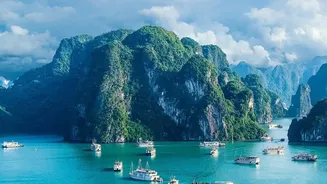
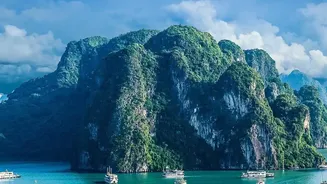
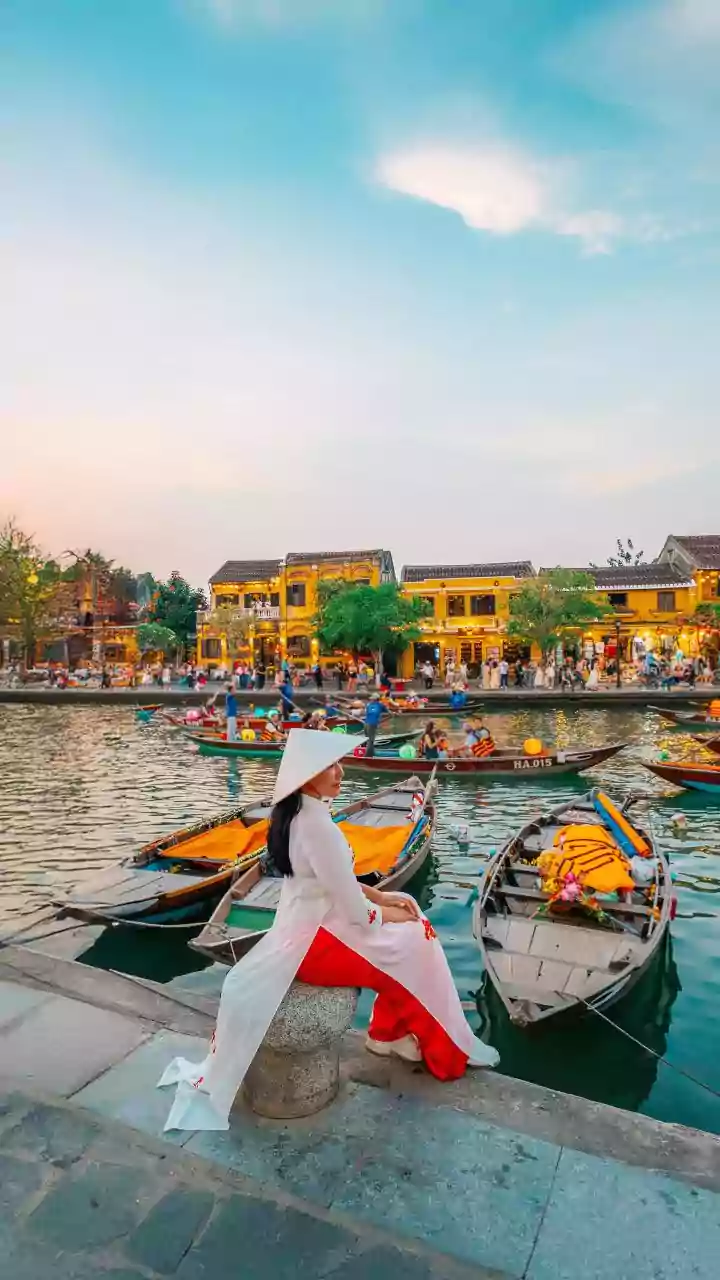
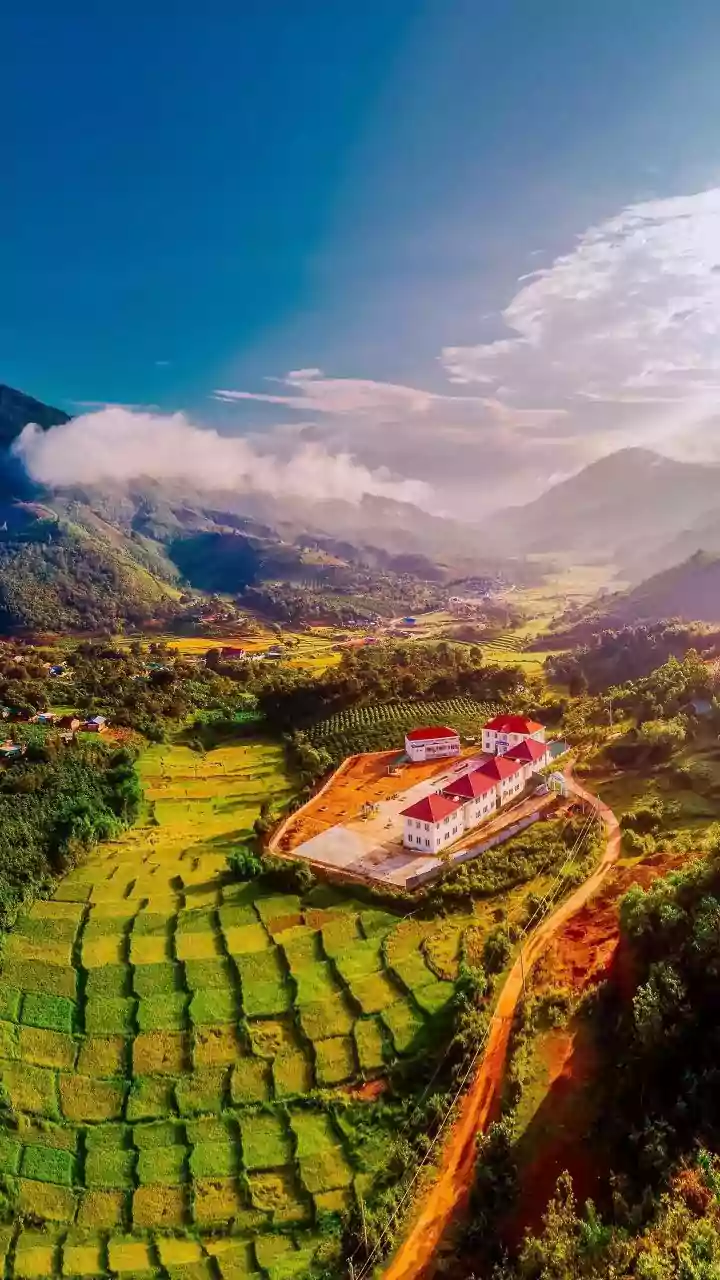
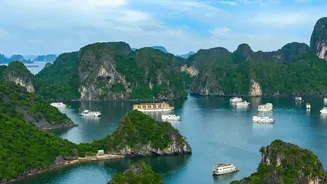
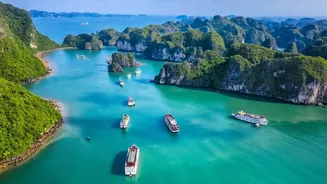
Vietnam is a long country, and in September, its weather story is split into three distinct parts. In Northern Vietnam (Hanoi, Ha Long Bay), September is the beginning of autumn. The oppressive heat and rain of summer start to subside, replaced by cooler, more comfortable temperatures and decreasing humidity. This makes it an excellent time for sightseeing in the capital or trekking in mountainous areas like Sapa, where the rice terraces turn a stunning golden yellow before harvest. Central Vietnam (Hoi An, Da Nang, Hue) tells a different story. This region enters its wettest period, with an increase in rainfall and the possibility of storms, especially towards the end of the month. While you can still visit, be prepared for downpours that might disrupt beach plans or outdoor activities. Finally, Southern Vietnam (Ho Chi Minh City, Mekong Delta) is still in its wet season, but the rains are often predictable afternoon showers rather than all-day events. You can still expect plenty of dry, bright hours for exploring, and the landscape is incredibly lush.
Sri Lanka: Navigating the Inter-Monsoon
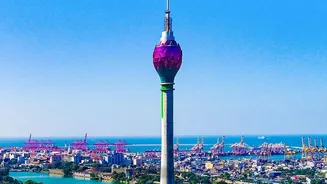
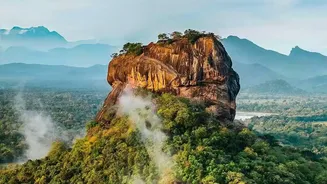
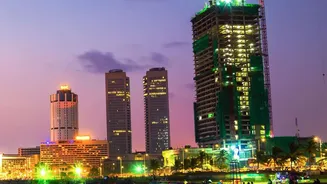
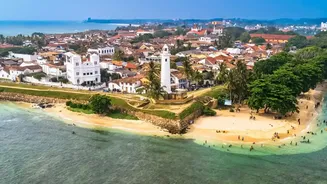
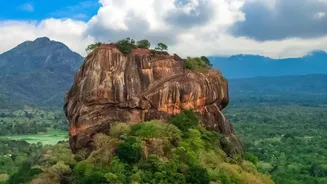
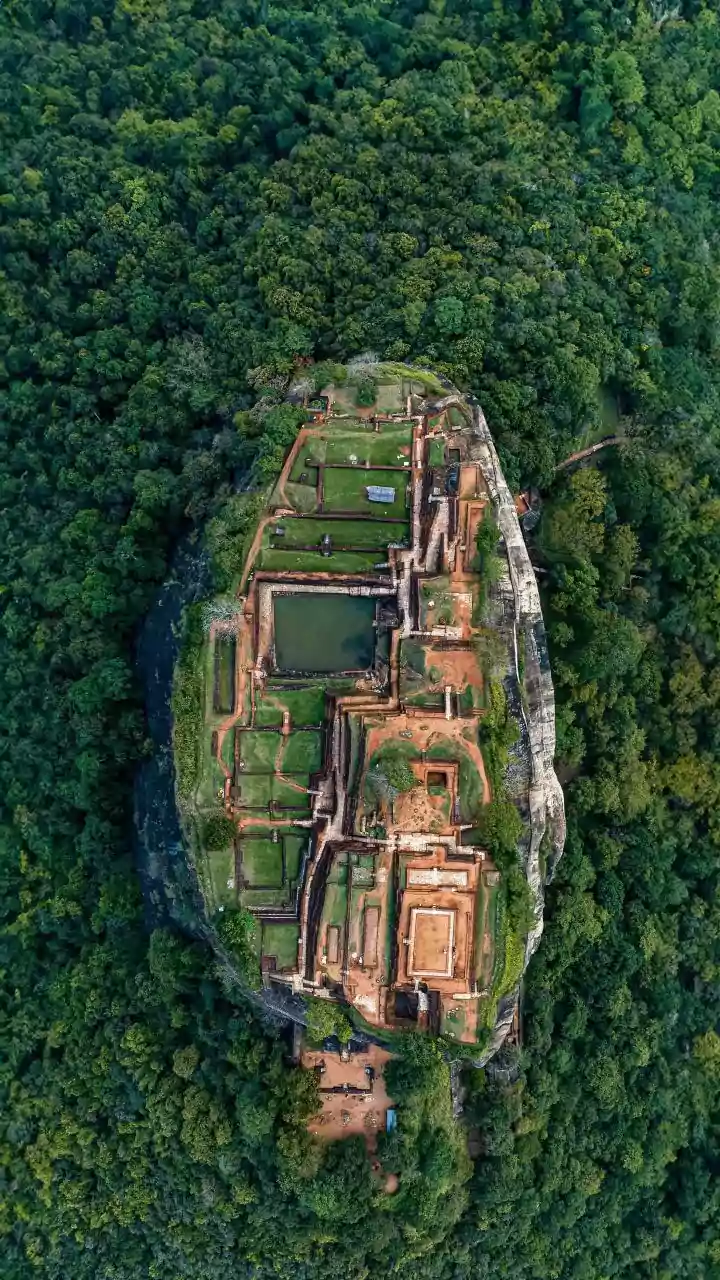
Sri Lanka's weather in September is complex due to its two separate monsoon seasons. September marks the tail end of the southwest monsoon, which affects the popular southern and western coasts (Galle, Colombo). This means these areas can still experience significant rainfall and choppy seas, making it less than ideal for a beach holiday. However, this same period is the end of the prime season for the east coast (Trincomalee, Pasikudah). From May through September, the east generally enjoys dry, sunny weather and calm waters perfect for swimming and relaxing. So, if a beach holiday is your priority in Sri Lanka during September, the east coast is your best bet, though rainfall can start to increase towards the end of the month as the seasons shift. The Cultural Triangle area in the north-central part of the country remains relatively dry and is a good option for sightseeing. Keep in mind that some national parks, like Yala, often close for a period in September.
How to Choose Your September Escape
Your perfect destination depends entirely on your travel style. For keen trekkers and mountain lovers, late September in Nepal offers an almost perfect blend of post-monsoon greenery, clear mountain views, and trails that are not yet crowded. If you're seeking cultural immersion and pleasant city exploration, Northern Vietnam is a standout choice with its beautiful autumn weather. For a classic beach holiday with sun and calm seas, Sri Lanka's east coast is the clear winner, though you should aim for earlier in the month. Vietnam's south is a good option for travellers who don't mind some tropical rain and want to see the Mekong Delta at its most vibrant. Central Vietnam is best for flexible travellers who can work around potential wet weather. Ultimately, September is a shoulder season month in all three countries, rewarding those who are prepared for slightly unpredictable weather with fewer tourists and often better prices.