







The Old Guard of Self-Promotion
For years, the playbook for freelancers on LinkedIn was clear: be loud. This meant stuffing headlines and summaries with keywords, constantly posting about achievements, and using every available feature to shout, "Hire me!". The goal was maximum visibility,
operating under the assumption that the more you broadcast your skills, the more work you would get. This strategy, born from hustle culture, treats a professional profile like a perpetual advertising billboard. However, for experienced professionals, this approach is starting to backfire. In a crowded market, constant and overt self-promotion can begin to look less like confidence and more like desperation, potentially turning off the discerning clients they hope to attract.
Defining 'Quiet Luxury' for Your Career
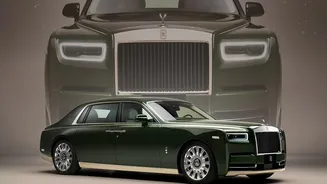
Enter the concept of 'quiet luxury'. Borrowed from the fashion world, it describes a preference for high-quality, timeless items without flashy logos. Applied to a professional brand, it means demonstrating value rather than just declaring it. A quiet luxury LinkedIn profile is less about a long list of skills and more about a curated presentation of expertise. It's the difference between a headline screaming every service offered and one that concisely states the high-level value you provide. The aesthetic is one of understated elegance and refined confidence, where the quality of experience and work speaks for itself without the need for excessive buzzwords or self-congratulation. It's about being the go-to expert who doesn't need to shout.
The Psychology of Understated Confidence
This shift is rooted in simple psychology. Overtly 'selling' oneself can trigger skepticism in potential clients, especially for premium services. The quiet luxury strategy, however, projects an aura of security and established authority. A freelancer who isn't constantly chasing leads appears to be in demand. Their profile becomes a space for demonstrating thought leadership, not just a resume. This approach aligns with the idea that your personal brand is what people say about you when you're not in the room. By sharing insightful content and letting a strong track record do the talking, senior freelancers build trust and create a sense of exclusivity that makes high-caliber clients come to them.
How to Build a 'Quiet Luxury' Profile
Adopting this strategy involves several practical changes. It starts with a simple, professional headshot and a banner that communicates a core brand message rather than a list of services. The headline should be concise and client-focused, articulating the problem you solve or the value you create. The 'About' section should tell a compelling professional story, not just list skills. Instead of seeking hundreds of generic endorsements, focus on getting a few, high-quality recommendations from significant clients. The experience section should highlight impact and results, not just duties. It’s about curating your profile to show, not just tell, prospective clients about your expertise and the quality of your work.
A Content Strategy Based on Value, Not Volume
A quiet luxury approach extends to content. Instead of daily 'I'm available for hire' posts, the strategy focuses on sharing genuinely valuable insights. This follows the 80/20 rule: 80% of content should educate, inform, or inspire your network, while only 20% should be subtly promotional. This might involve writing articles that solve common client problems, sharing nuanced perspectives on industry trends, or engaging thoughtfully in relevant discussions. The goal is to become a trusted resource. This positions the freelancer as a sought-after expert and thought leader, creating a magnetic brand that attracts opportunities organically rather than having to constantly chase them.