



A New Strategy for the Red Planet
In a significant shift, NASA is embracing a new model for planetary exploration by funding private companies to develop concepts for future Mars missions. The initiative, called Science Transport and Robotic Innovation for Deployment and Exploration (STRIDE),
aims to leverage commercial innovation to accelerate our ability to explore the Martian surface. The total potential value of the contract awards is approximately $17 million, a strategic investment intended to foster a diverse ecosystem of robotic systems. This approach marks a departure from relying solely on large, in-house projects like the highly successful but costly Curiosity and Perseverance rovers. By partnering with the private sector, NASA aims to develop robotic systems that can travel farther and access challenging terrain that is currently out of reach for scientific investigation.
The Mission: More Than Just Rovers
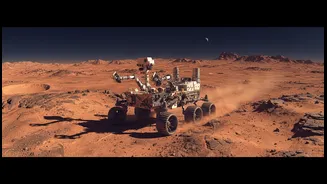
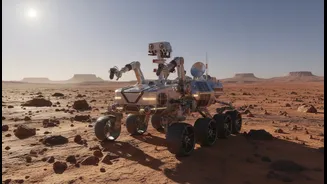
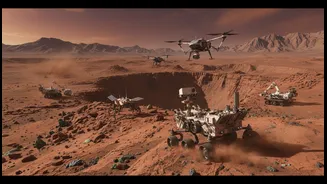
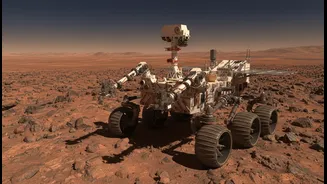
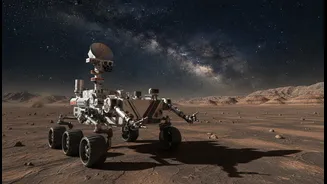
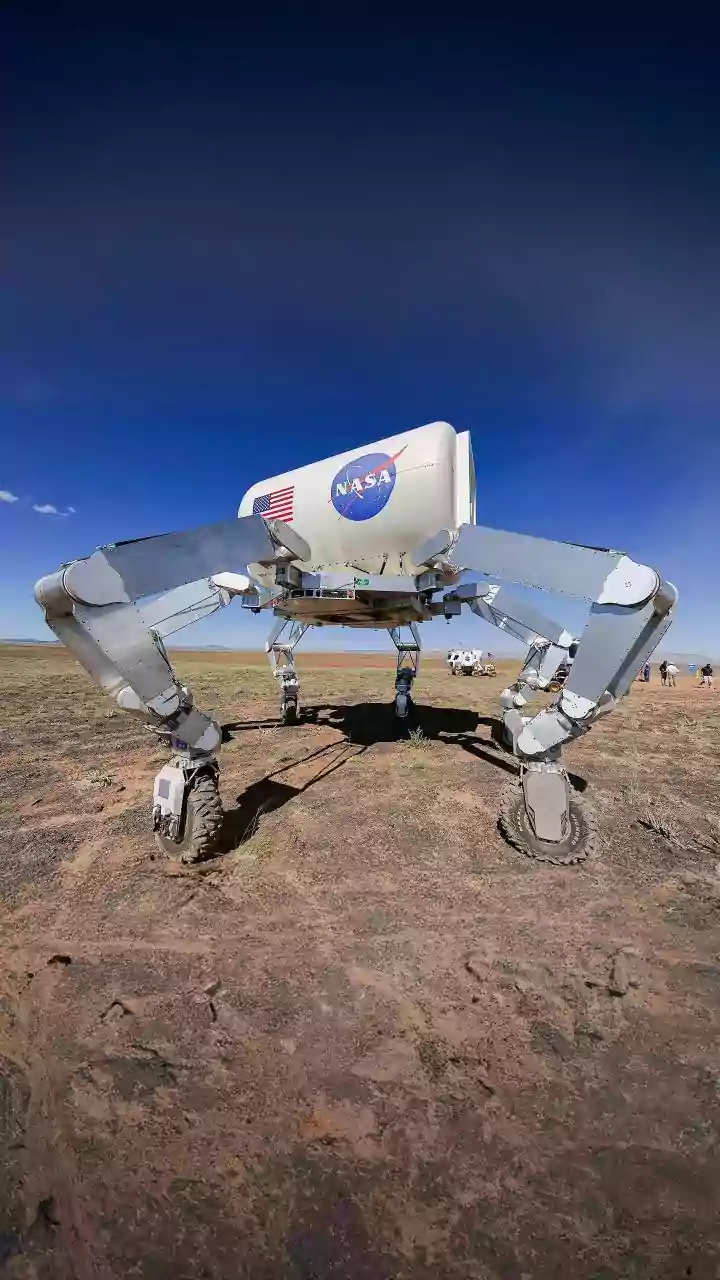
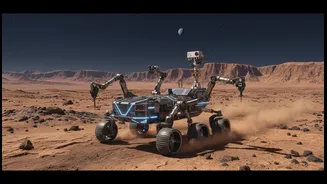
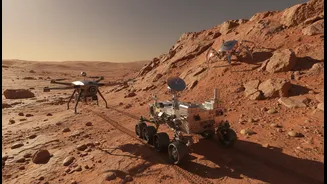
The goal of the STRIDE initiative is to develop a new fleet of robotic explorers that can handle the harsh Martian environment in novel ways. This isn't just about building better rovers; NASA is seeking a range of surface and aerial technologies capable of carrying scientific payloads into scientifically valuable regions. The current rovers, while incredibly capable, have faced limitations with difficult terrain and sand. The next generation of robots will need to overcome these challenges, potentially including aerial platforms inspired by the success of the Ingenuity helicopter, and ground vehicles designed for greater autonomy and durability. These future machines will be tasked with everything from scouting landing sites for human missions to searching for resources like subsurface ice.
Meet the Seven Innovators
NASA has selected a diverse group of companies, combining established aerospace veterans with agile newcomers. The seven firms are AeroVironment, Astrobotic, Venturi Astrolab, Ground Control Robotics, Honeybee Robotics, Intuitive Machines, and MEI Technologies. Each brings a unique expertise. For example, AeroVironment was instrumental in the success of the Ingenuity Mars Helicopter, while Honeybee Robotics has a long history of creating drilling and sample collection tools for NASA. Companies like Astrobotic and Intuitive Machines are major players in the commercial lunar landing sector, giving them invaluable experience in delivering payloads to other worlds. By casting such a wide net, NASA is fostering a competitive environment designed to produce the most creative and effective solutions for Martian exploration.
Paving the Way for Human Exploration
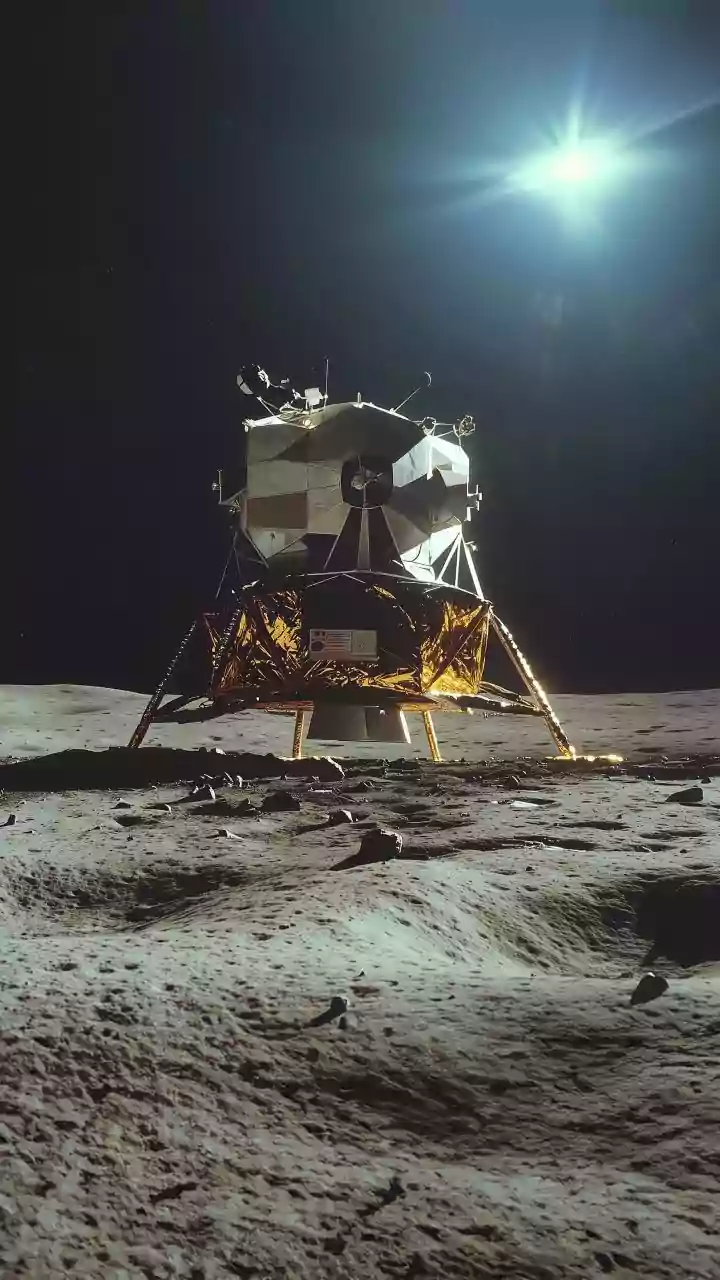
This new robotic vanguard is about more than just science; it's a critical step in NASA's long-term plan to send humans to Mars. The technologies developed under the STRIDE program are directly applicable to the Artemis program, which aims to establish a sustainable human presence on the Moon as a stepping stone to Mars. Robots will be essential for preparing the way for human explorers, conducting reconnaissance, identifying resources, and potentially even helping to build infrastructure before astronauts arrive. The lessons learned from developing and operating these advanced robots on Mars will inform the design of systems used by future lunar and Martian astronauts.
The Future is Collaborative
The STRIDE initiative is a clear example of a broader trend in space exploration: the increasing importance of public-private partnerships. This collaborative model allows NASA to tap into the specialized expertise and agility of the commercial sector, potentially reducing mission costs and increasing the frequency of launches. It fosters a robust industrial base capable of supporting ambitious, long-term goals, from scientific discovery on other planets to establishing a permanent human presence in space. This strategic shift not only accelerates our journey to Mars but also builds a new economic frontier, turning the dream of interplanetary exploration into a tangible, collaborative reality.