



More Than Just the Longest Day
The summer solstice, which typically falls around June 21st, is the moment Earth’s Northern Hemisphere is tilted most directly towards the sun. For us on the ground, this means the sun traces its highest, longest path across the sky, giving us the most daylight
hours of the year. But for astronomers and casual sky-watchers alike, the solstice is more than a calendar milestone; it’s a celestial event that reshapes the night sky. While the night is indeed shorter, the quality of the darkness and the astronomical phenomena on display make it a special occasion. From the ancient stones of Stonehenge, where thousands gathered to witness the sunrise, to countless backyards and remote dark-sky parks across India, people paused to connect with this timeless rhythm of our planet.
The Myth of a 'Bad' Night
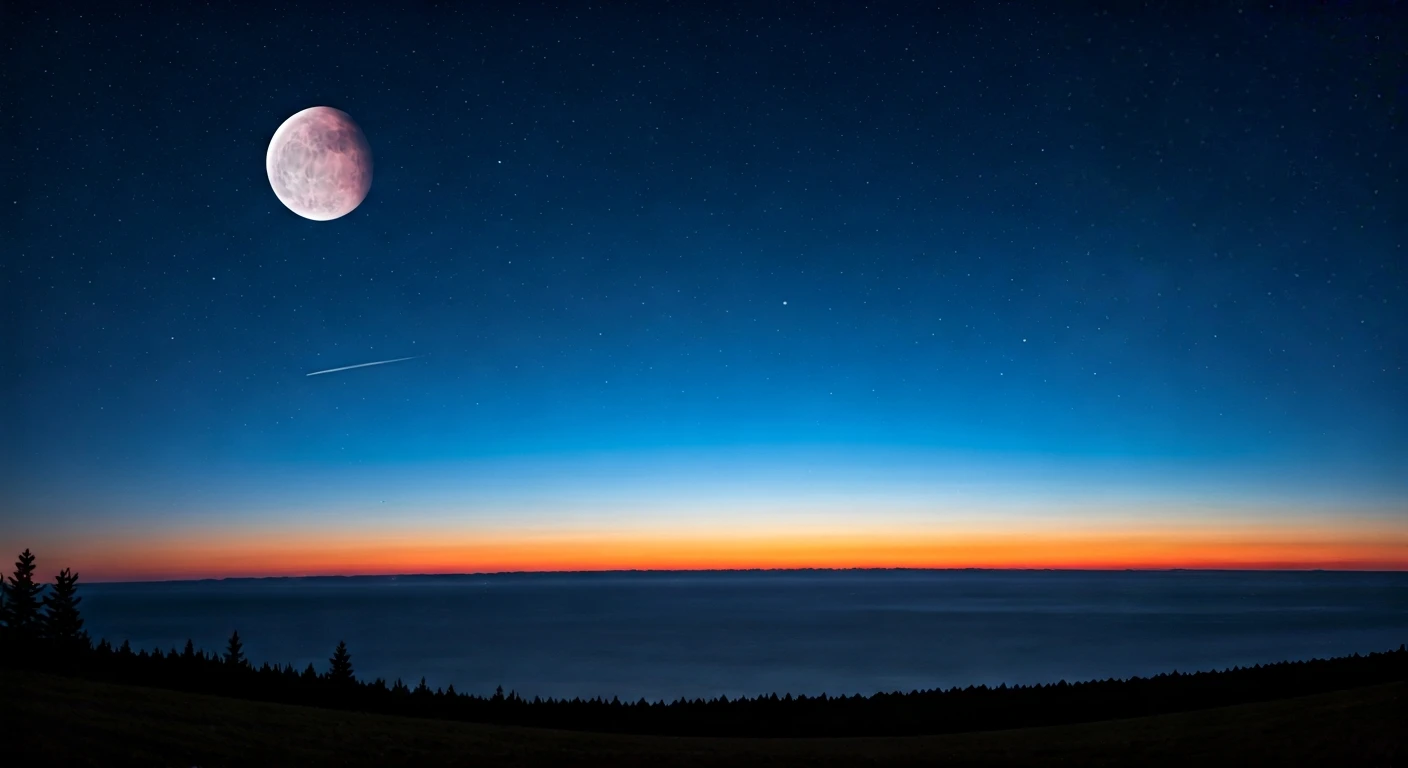
A common misconception is that the short night and lingering twilight of the solstice make it a poor time for stargazing. While it’s true that the window of deep darkness is smaller, the solstice period offers its own unique treasures. One of the most sought-after sights is noctilucent clouds (NLCs), or "night-shining clouds." These are ethereal, electric-blue wisps of ice crystals that form about 80 kilometres high in the atmosphere, far above typical clouds. They are so high that they catch the sunlight long after it has set for us on the ground, creating a stunning, otherworldly glow in the late twilight sky. They are primarily a summer phenomenon, and the days surrounding the solstice are the best time to spot them.
A Universe in the Twilight
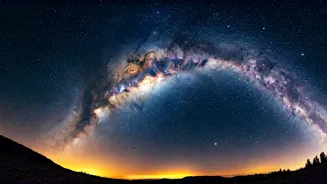
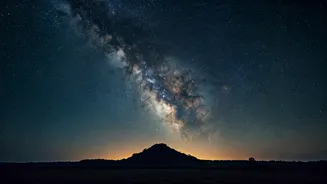
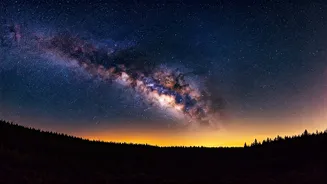
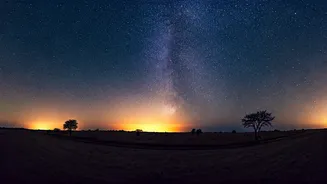
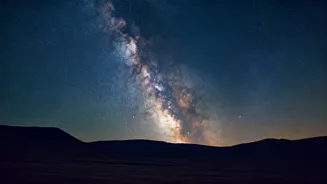
The solstice night is also a prime time to appreciate the structure of our own galaxy. During summer in the Northern Hemisphere, the bright, dense core of the Milky Way becomes a spectacular feature in the southern sky after midnight. For those who escape city lights, the celestial river of stars, dust, and nebulae appears to rise dramatically, creating a breathtaking backdrop. This year, observers also enjoyed views of bright planets and familiar summer constellations like Cygnus the Swan, Lyra the Harp, and Aquila the Eagle, which form the famous "Summer Triangle" asterism. This bright trio of stars—Deneb, Vega, and Altair—is one of the first patterns to emerge in the deepening twilight, acting as a guidepost for the star-filled hours to come.
Your Guide to Summer Skies
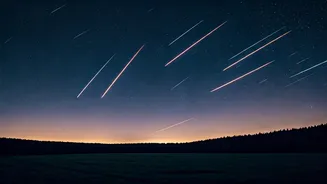
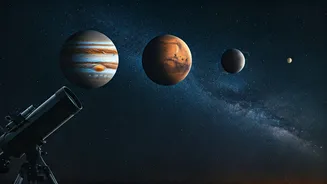
The solstice may have passed, but it kicks off an entire season of celestial viewing. The summer months are an invitation to explore the cosmos. The Summer Triangle will remain a prominent feature all season long. As we move into July and August, keep an eye out for Saturn, which will rise earlier each night, becoming a brilliant object for backyard telescopes. But the undisputed highlight of the summer is the Perseid meteor shower, which peaks around August 12-13. On a clear, dark night, you can expect to see dozens of "shooting stars" per hour as Earth passes through the dusty trail left by Comet Swift-Tuttle. It's a celestial fireworks show that requires no special equipment—just a comfortable spot to lie back and look up.
How to Start Your Stargazing Journey
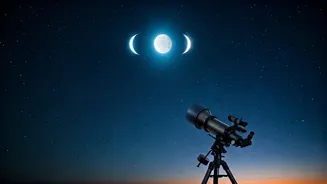
Inspired to join the celebration next time? Stargazing is one of the most accessible and rewarding hobbies. The first step is to get away from city lights, which create "light pollution" that washes out fainter stars. Even a short drive to a rural area or a local park can make a huge difference. Second, give your eyes time to adapt to the darkness—it takes about 20-30 minutes for your night vision to fully kick in, so avoid looking at your bright phone screen. If you need a light, use a red torch, as red light is less disruptive to your night vision. Finally, while you don't need a telescope to start, a good pair of binoculars or a stargazing app on your phone (set to night mode!) can help you identify constellations, planets, and even the craters on the Moon.