


Your Guide to the 2026 Perseids
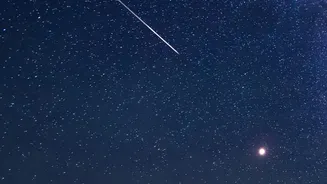
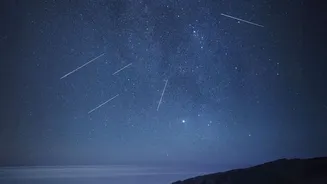
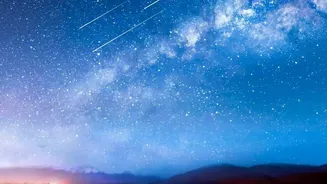
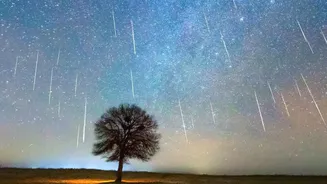
The Perseid meteor shower is active every year from mid-July to late August. In 2026, the shower will peak on the night of August 12 and into the early morning hours of August 13. This year is especially promising because the peak coincides with a new
moon, meaning the sky will be perfectly dark and free of moonlight, making it easier to spot even fainter meteors. The shower is caused by debris from the comet Swift-Tuttle, and at its peak, you could see between 50 and 100 meteors per hour under ideal conditions. For observers in India, the best viewing window is expected to be between 2:00 AM and 4:30 AM on the mornings of August 12 and 13.
The Monsoon Challenge
For stargazers across most of India, August brings one major obstacle: the southwest monsoon. Heavy cloud cover can easily spoil a night of meteor watching. The India Meteorological Department (IMD) has forecast below-normal rainfall for many parts of the country in August 2026, which might sound like good news. However, this doesn't guarantee clear skies, as regional variations are significant, and warmer nights might lead to increased humidity and haze. Planning, therefore, becomes less about just marking a date and more about strategy and flexibility.
Strategic Stargazing: Finding Clear Skies
Success lies in outsmarting the clouds. Start monitoring weather forecasts several days in advance using reliable apps. Look for patterns—often, the sky can clear up for a few hours after a spell of rain. Your best bet is to travel to rain-shadow regions, which receive significantly less rainfall during the monsoon. High-altitude deserts like Spiti Valley in Himachal Pradesh and Hanle in Ladakh are prime locations, as they remain largely dry and offer some of the darkest, clearest skies in the country. The Rann of Kutch in Gujarat and arid parts of Rajasthan are also excellent alternatives. For those unable to travel far, consider hill stations or elevated areas near your city, like Malshej Ghat near Mumbai and Pune, or elevated spots around Coorg, which might offer brief windows of clarity.
How to Prepare for the Night
You don’t need any special equipment to enjoy the show; the Perseids are visible to the naked eye. The most important thing is to find a location away from city lights. Even a short drive out of the city to a darker park or field can make a huge difference. Give your eyes about 20-30 minutes to fully adjust to the darkness; avoid looking at your phone screen during this time. Comfort is key, as you’ll be looking up for a while. Bring a blanket or a comfortable chair to lie back on. Dress in layers, as even in August, nights can get cool, especially at higher altitudes. Using a stargazing app like Stellarium or Sky Walk can help you locate the constellation Perseus, which is the shower's radiant point, but meteors can appear anywhere in the sky.
Patience is a Virtue
Meteor watching is a game of patience. There will be lulls, followed by bursts of activity. Don’t be discouraged if you don’t see a meteor in the first few minutes. The best activity often happens in the pre-dawn hours as the Earth turns into the densest part of the debris stream. The shower gradually builds to its peak and then falls off quickly, so aiming for the nights of August 12 and 13 gives you the highest probability of a great show. Even if clouds roll in and out, the experience of being under the night sky, waiting for those fleeting streaks of light, is a reward in itself.