






The Hidden Dangers of a Downpour
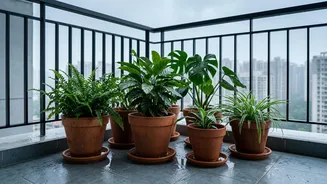
While rain is essential for plant life, an unrelenting downpour can be harmful, especially for plants in containers. Unlike plants in the ground, balcony plants have limited space for their roots and are entirely dependent on their pots for drainage.
When soil becomes waterlogged, the air pockets that roots need for oxygen disappear. This suffocation can lead to a condition called root rot, where roots turn brown, mushy, and lose their ability to absorb nutrients and water. Furthermore, excessive rain can wash away essential nutrients from the soil and create a damp environment that encourages fungal diseases and pests.
How to Spot the Warning Signs
An overwatered plant often sends clear distress signals. One of the most common signs is leaves turning yellow, particularly the lower ones, and then dropping off. Paradoxically, a plant suffering from too much water can look wilted and droopy, much like an underwatered one. This happens because the damaged roots can no longer supply the leaves with the water they need. Other red flags include mould growing on the soil surface, a foul or rotten smell coming from the pot, soft or mushy stems near the base, and slowed or stunted growth.
Prepare Your Pots Before It Pours
Prevention is always better than a cure. Before the heavy rains set in, take time to prepare your balcony garden. First, ensure every single pot has adequate drainage holes at the bottom; blocked holes are a primary cause of waterlogging. Elevating your pots slightly using pot feet, bricks, or even simple bottle caps can make a significant difference. This small gap allows air to circulate and water to drain freely, preventing the pot from sitting in a puddle. Also, consider the soil itself. A light, well-draining potting mix containing materials like perlite or sand is crucial for container gardening, as dense soil retains too much moisture.
First Aid Immediately After Rain
Once a heavy shower has passed, a quick response can save your plants from prolonged stress. The first step is to get rid of any standing water. Tip over smaller pots to drain excess water and empty the saucers or trays sitting underneath your containers. If possible, move smaller, more sensitive plants to a sheltered spot, like under an eave or against a wall, to protect them from the next downpour. For larger, heavier pots that can't be moved, you can gently poke a few deep holes into the soil with a chopstick or skewer. This helps aerate the soil and allows trapped water to evaporate more quickly without disturbing the roots.
Reviving a Waterlogged Plant
If a plant is already showing signs of being overwatered, don't panic; it can often be saved. First, stop watering it and move it to a spot with good air circulation and bright, indirect light to help the soil dry out. Direct, harsh sunlight can add more stress. Prune any yellow or dead leaves so the plant can focus its energy on recovery and new growth. Avoid fertilising a stressed plant, as it can burn the weakened roots. In severe cases where the soil is completely saturated and smells rotten, you may need to repot the plant. Gently remove it, trim away any black, mushy roots with clean scissors, and place it in a new pot with fresh, well-draining soil.