

Understanding Polenta Basics
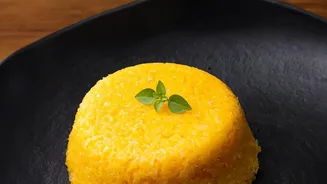
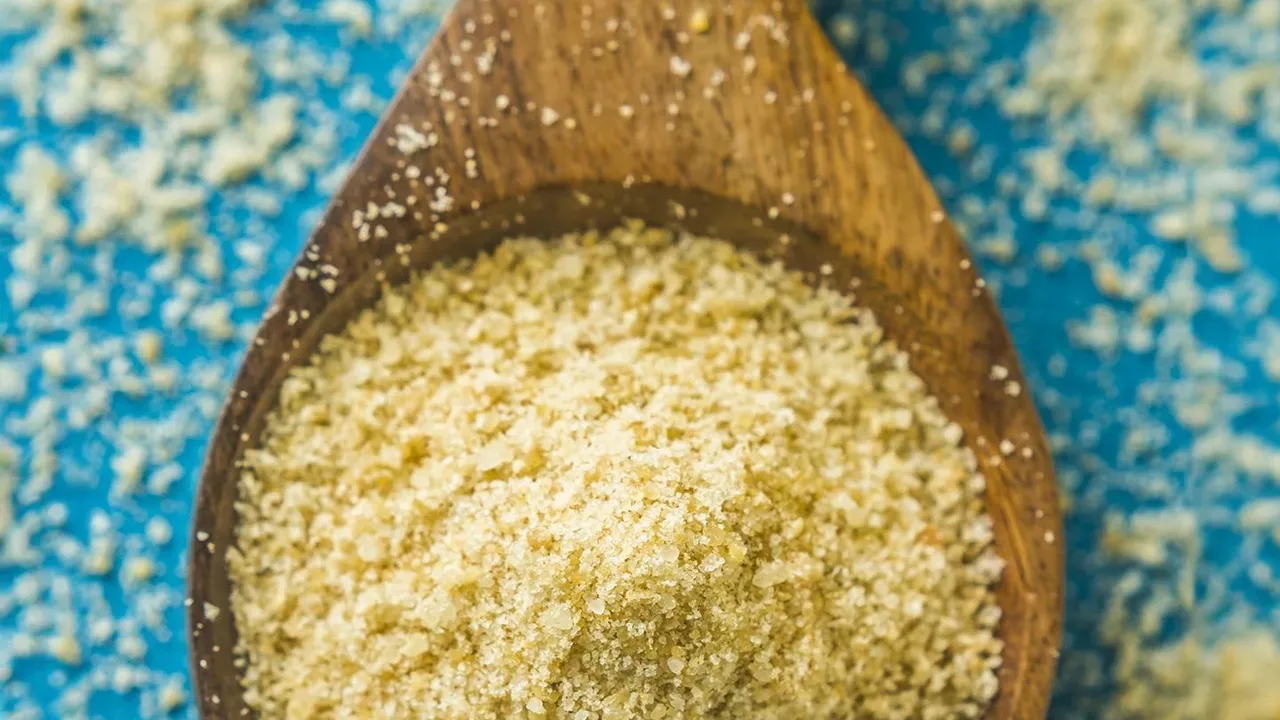
At its heart, polenta is simply ground cornmeal boiled in water or another liquid until it becomes a thick porridge. Historically a peasant food, it has since been embraced by chefs and home cooks for its adaptability and comforting texture. The final
texture of the dish depends heavily on the grind of the cornmeal—finer grinds yield a soft, creamy polenta, while coarser grinds are better for a firmer, more rustic result. You may find it sold as 'polenta' or simply 'cornmeal', but instant, quick-cook varieties are also available, which significantly reduce the cooking time from 40-45 minutes to just a few minutes.
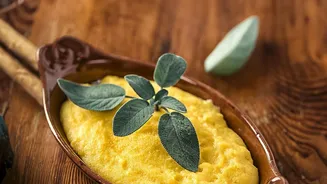
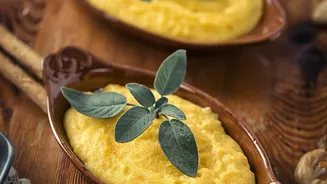
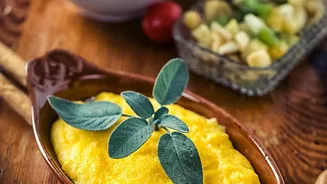
The Secret to Creamy, Velvety Polenta
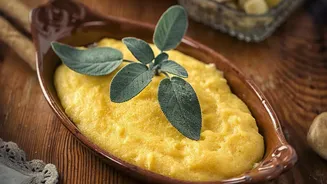
The key to luscious, spoonable polenta is the liquid ratio and a little patience. For a creamy consistency, a general rule is to use four to five parts liquid to one part polenta. While water works perfectly, using stock, milk, or a combination of the two will create a much richer flavour. To begin, bring your liquid to a boil, add salt, and then slowly stream in the polenta while whisking constantly to prevent lumps. Once the polenta starts to thicken, reduce the heat to low and switch to a wooden spoon, stirring every few minutes. The slow simmer allows the grains to fully hydrate and become tender. After about 20-40 minutes of cooking, finish it off the heat by stirring in butter and grated Parmesan cheese for an extra layer of flavour and a silky finish.
From Creamy to Firm: The Set Polenta Method
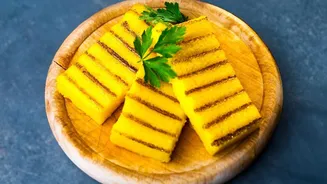
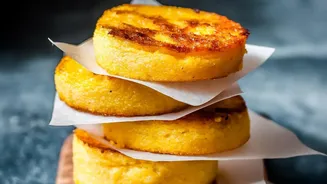
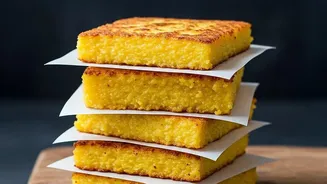
To create polenta that can be sliced, grilled, or fried, you need to make it firmer. This is achieved by slightly adjusting the liquid ratio to about three or four parts liquid to one part polenta. Cook the polenta following the same method of whisking it into boiling liquid and stirring until it becomes very thick and starts to pull away from the sides of the pot. Once cooked, you can stir in herbs like rosemary or thyme for added flavour. Pour the hot polenta into a lightly oiled baking dish or tray, smoothing the top to an even thickness of about two centimetres. Allow it to cool completely before placing it in the refrigerator for at least two hours, or even overnight, until it is fully set and firm.
Grilling, Frying, and Baking Your Polenta
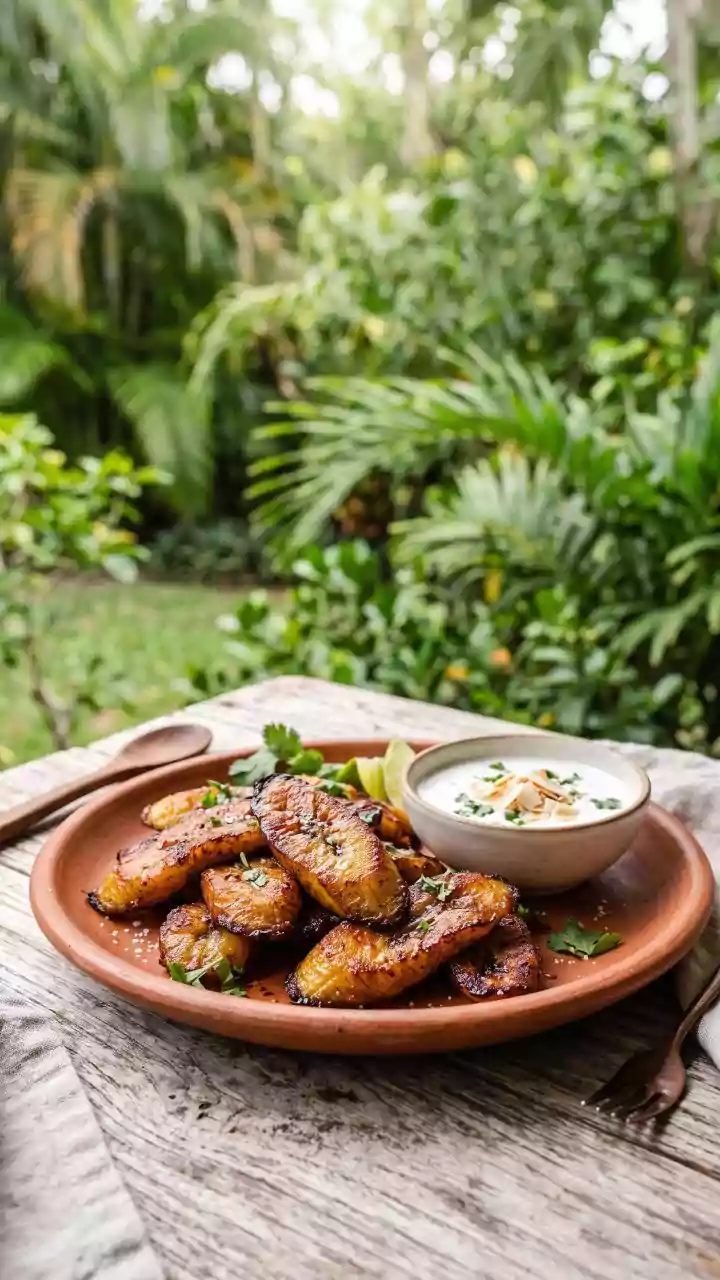
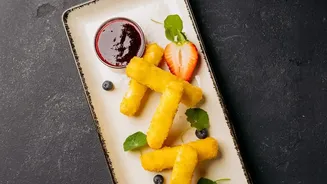
Once your polenta is chilled and firm, it's ready for its crispy transformation. Turn the set block out onto a cutting board and cut it into squares, triangles, or thick strips like chips. For grilling, brush the slices with olive oil and place them on a hot, clean grill for about five minutes per side, until you have beautiful char marks and a crispy exterior. To pan-fry, heat a bit of oil or butter in a skillet and cook the slices until golden brown on both sides. For a healthier alternative, you can bake the polenta. Toss the pieces in olive oil and seasonings, spread them on a baking sheet, and bake at a high temperature (around 220°C) until crunchy.
The Savoury Side of Polenta
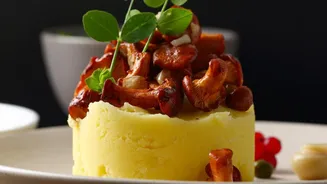
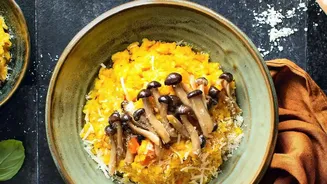
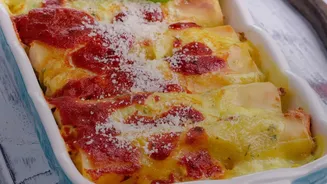
Polenta's mild, slightly sweet corn flavour makes it a perfect canvas for countless savoury pairings. Creamy polenta is a classic companion to rich, slow-cooked meat sauces like beef ragu, hearty stews, or sautéed mushrooms. It can be served as a base for baked meatballs, roasted vegetables, or even a simple fried egg. Grilled or fried polenta slices make fantastic appetisers, almost like a crostini. Top them with anything from goat cheese and sun-dried tomatoes to a dollop of pesto or a simple mix of fresh herbs.
A Surprisingly Sweet Treat
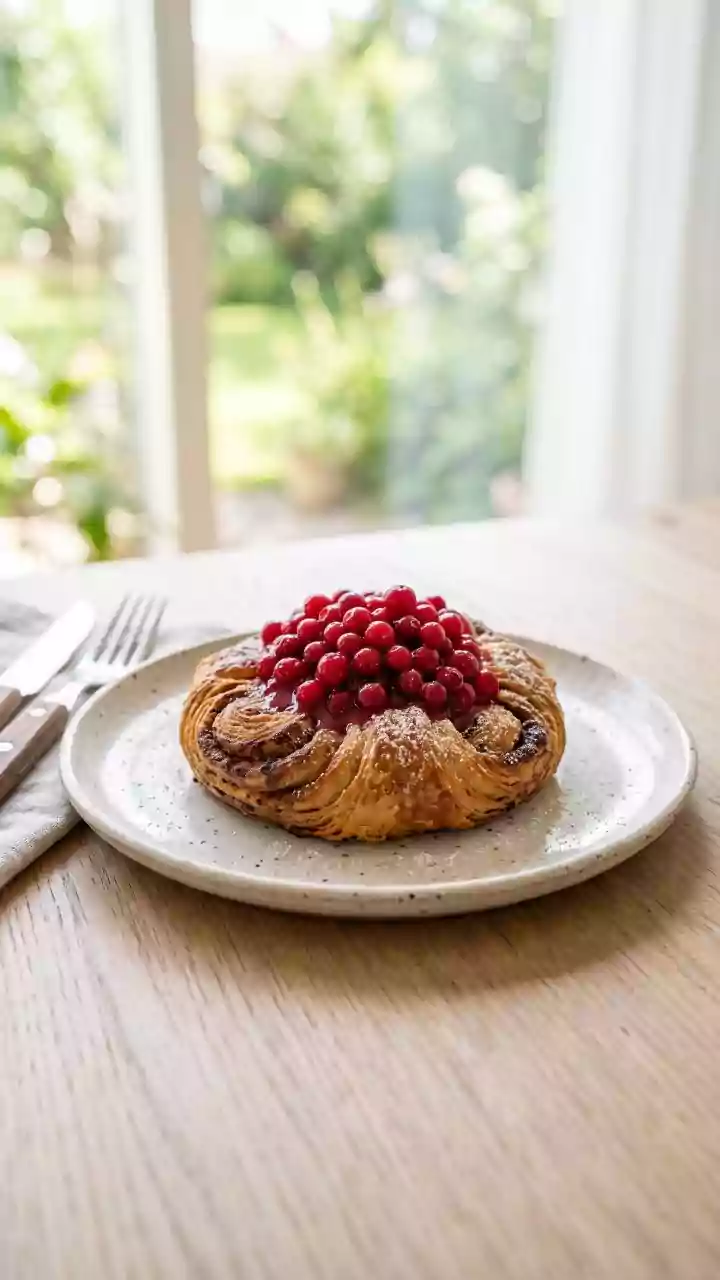
While often served in savoury dishes, polenta's corn-based sweetness lends itself beautifully to breakfast or dessert. A warm bowl of creamy polenta can be treated like porridge, served with milk, honey or maple syrup, fresh berries, nuts, and a sprinkle of cinnamon. Some recipes even cook the polenta in milk with sugar and vanilla for a dedicated sweet breakfast dish. Its grainy texture also makes it a wonderful, gluten-free addition to cakes, often paired with ingredients like almonds and citrus to create a dense, moist crumb.