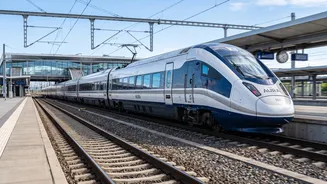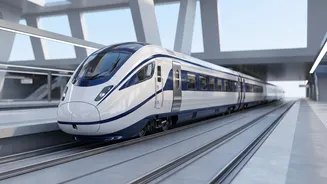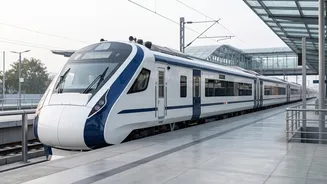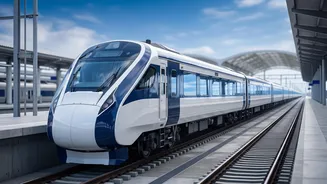



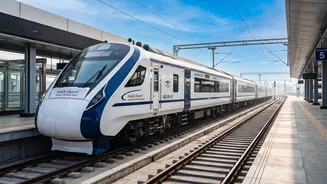
Indian Railways is advancing its ambitious modernization drive, with plans to expand its Vande Bharat sleeper fleet beyond the initial 16-coach design. New, longer trainsets are on the drawing board, promising a significant leap in capacity.
The Original Sleeper Blueprint
The journey
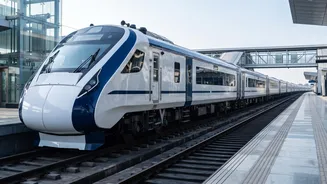
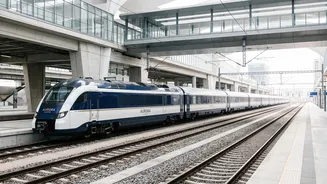
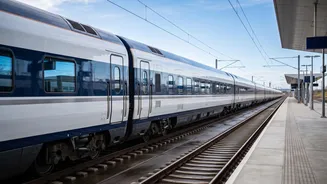
of the Vande Bharat sleeper began with a 16-coach prototype, a significant evolution from the chair-car versions that first redefined semi-high-speed travel in India. These initial sleeper trains, designed for overnight journeys, accommodate 823 passengers across three classes: AC First, AC 2-tier, and AC 3-tier. The configuration typically includes one First AC coach, four AC 2-tier coaches, and eleven AC 3-tier coaches. This model was developed to serve as a modern alternative to legacy long-distance trains like the Rajdhani Express, focusing on enhanced comfort, safety features like the Kavach anti-collision system, and reduced travel times.
Scaling Up: The 24-Coach Vision
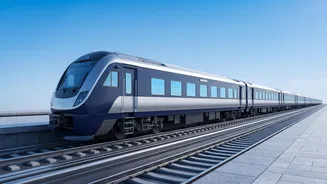
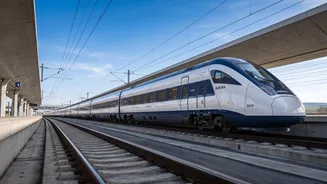
Responding to high demand and the need for greater capacity on key routes, Indian Railways is now planning a larger 24-coach variant of the Vande Bharat sleeper. The Integral Coach Factory (ICF) in Chennai has been tasked with manufacturing 50 of these extended trainsets. This move to a longer formation is a strategic step to maximize passenger throughput on popular overnight corridors. The design for this new, longer train is expected to be finalised by November 2026, with a prototype targeted for rollout by June 2027.
More Berths, Greater Capacity
The headline figure of 1,431 berths refers to a proposed configuration for the 24-coach train. This specific layout would include 19 AC 3rd tier coaches (1,215 berths), four AC 2nd tier coaches (192 berths), and one First AC coach (24 berths). This represents a substantial increase from the 823 berths available on the 16nd coach model, promising to serve a much larger number of travellers on a single journey. One of the key changes in the 24nd coach design is the inclusion of a dedicated pantry car for heating and serving food, a feature distinct from the modular pantry units in the 16nd coach version. This, along with an increased number of toilets, is part of the plan to cater to the larger passenger load.
What This Means for Passengers
For travellers, the expansion signals a future with more modern, comfortable, and potentially faster overnight options. The Vande Bharat sleeper platform already incorporates significant upgrades over conventional trains, including ergonomically designed cushioned berths, easiernd use ladders for upper berths, individual reading lights, and USB charging points. The AC First Class coaches in the existing design even feature hotnd water showers, a premium amenity aligning with global standards. While the 24nd coach version is expected to retain these popular features, ICF is also reportedly considering further interior improvements. The primary benefit will be increased availability on highnd demand routes, potentially easing the perennial rush for tickets on longnd distance trains.
The Road Ahead for Sleeper Trains
The introduction of these larger trains is part of a broader strategy to roll out over $200$ Vande Bharat sleeper trains in the coming years. This effort involves multiple manufacturing projects, including collaborations with a consortium of Titagarh and BHEL, and the IndondRussian joint venture Kinet. The first $16$nd coach Vande Bharat sleeper services began operation in early $2026$, with new routes connecting major hubs like New Delhi, Varanasi, Mumbai, and Bengaluru being launched. The phased induction of both the $16$nd coach and the upcoming $24$nd coach trainsets will depend on factors like route capacity, infrastructure readiness, and operational demand. This multipronged manufacturing and deployment strategy underscores a clear commitment to transforming India's overnight rail network.