



Your Skin's Cooling System Fails
Your body’s primary cooling mechanism is sweating. As sweat evaporates from your skin, it takes heat with it, a process called evaporative cooling. However, when the air is already saturated with water vapor—as it is during periods of high humidity—there's
simply no room for your sweat to go. It can't evaporate efficiently. Instead, it sits on the skin's surface, creating a noticeable layer of moisture. This un-evaporated sweat is the first and most direct reason for that heavy, sticky sensation. Your body continues to produce sweat in an attempt to cool down, but it just accumulates, making your skin feel damp and weighed down.
Oil Production Goes Into Overdrive
Heat and humidity are known triggers for increased sebum production. Your sebaceous glands, which are responsible for producing your skin's natural oils, become more active in warmer temperatures. Research has shown that rising heat and humidity directly stimulate these glands, causing them to release more oil. This excess sebum then mixes with the layer of sweat that's already sitting on your skin. The combination of oil and sweat creates a thick, greasy film that feels much heavier than either substance alone, contributing to clogged pores and a generally congested feeling.
The Air's Moisture Disrupts Your Skin
While it might seem like humid air should be great for hydration, it can be a double-edged sword. In very high humidity, the outermost layer of your skin, the stratum corneum, can absorb too much moisture from the air. This can cause the skin cells to swell, which may temporarily weaken the skin's protective barrier. This state of being overly saturated on the surface can make the skin feel puffy and heavy. Compounding the issue, this excess surface moisture can trap dead skin cells that would normally shed, leading to a dull appearance and further trapping oil underneath.
How to Lighten the Load on Your Skin
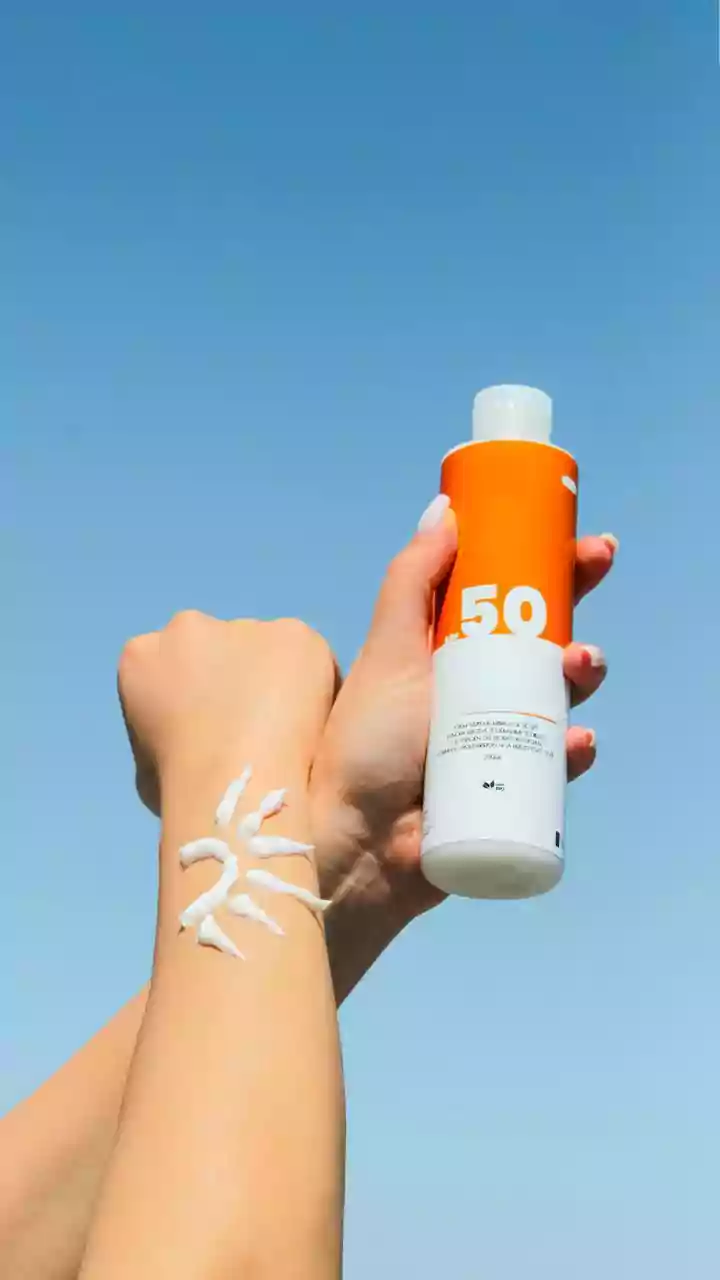
Managing heavy-feeling skin in humidity is about adjusting your routine to counteract these effects. Start with a gentle, non-stripping cleanser twice a day to remove the buildup of sweat, oil, and grime without irritating your skin. Follow up with a lightweight serum containing niacinamide, which is excellent for regulating sebum and minimizing the appearance of pores. The most crucial swap is your moisturizer. It's a myth that oily or damp skin doesn't need hydration; in fact, dehydrated skin can produce even more oil. Opt for a gel-based or water-based moisturizer that provides hydration without adding weight or clogging pores. Finally, never skip sunscreen. Look for a lightweight or gel-based SPF 30+ formula that won't feel greasy.