





The Trend: A Traditional Grain in a Modern Avatar
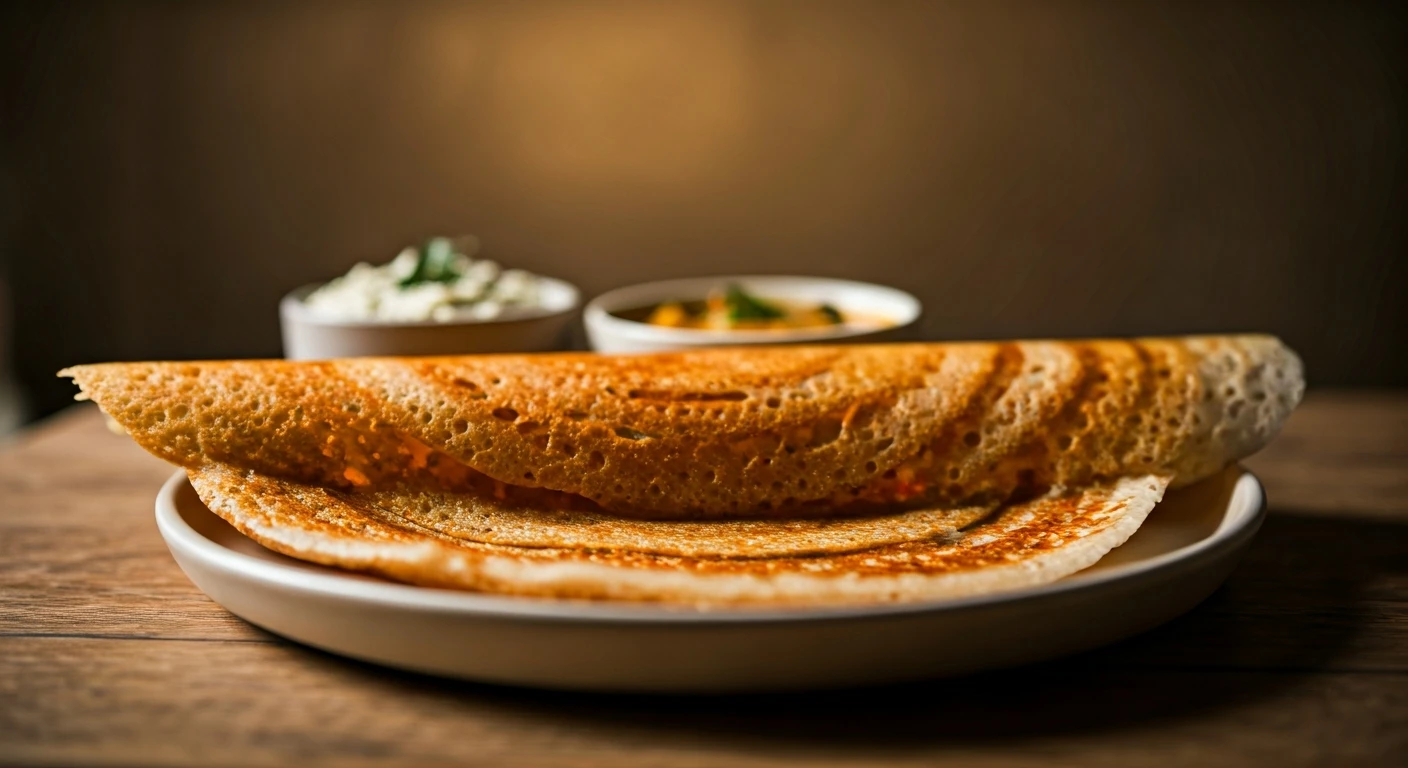
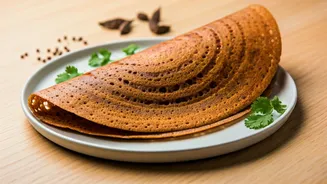
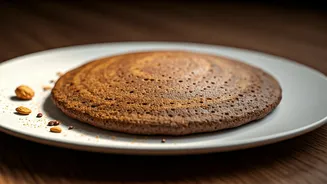
Walk into a health-conscious café in Mumbai or browse the Instagram feed of a Bangalore-based food blogger, and you might notice something interesting. The classic, pale-golden crepe is often sporting a rustic, earthy-brown hue. The secret ingredient?
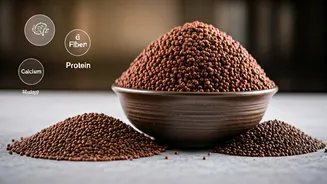
Ragi. Also known as finger millet, this nutrient-packed grain is being seamlessly blended into a traditionally Western dish. This isn't just a random kitchen experiment; it's a deliberate choice by a generation that wants the best of both worlds. They crave familiar, comforting global foods like pancakes and crepes but are increasingly aware of the nutritional void in dishes made purely from refined flour (maida). By swapping a portion of maida for ragi flour, they are enriching their breakfast with essential nutrients without sacrificing taste or texture.
The Iron Boost Your Body Needs
The headline feature of this trend is ragi's impressive iron content. For many young Indian adults, especially women, maintaining healthy iron levels is a constant challenge. Iron deficiency can lead to fatigue, poor concentration, and a weaker immune system—symptoms that can easily be mistaken for general urban burnout. Ragi offers a powerful, plant-based solution. It is one of the best non-haem iron sources available, making it an excellent dietary addition for vegetarians and anyone looking to boost their intake naturally. Starting the day with a ragi-infused meal helps replenish iron stores, providing sustained energy that a sugary, refined-flour breakfast simply cannot match. It’s a simple, effective food hack to combat a widespread nutritional gap.
Beyond Iron: Ragi’s Nutritional Halo
While iron gets the spotlight, ragi’s benefits don’t stop there. It's a true superfood. Firstly, it's an incredible source of calcium; some studies suggest it has up to 10 times more calcium than other grains like rice or wheat. This is fantastic for bone health, an important consideration at any age. Secondly, ragi is loaded with dietary fibre. This aids digestion, promotes a feeling of fullness (helping with weight management), and helps regulate blood sugar levels by slowing down nutrient absorption. This prevents the sharp sugar spikes and subsequent crashes associated with refined carbs. Finally, ragi is naturally gluten-free, making it an excellent choice for those with celiac disease or gluten sensitivity who still want to enjoy crepe-like dishes.
How to Make the Perfect Ragi Crepe
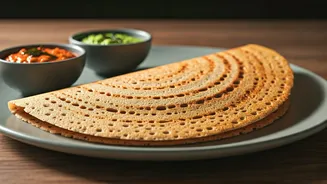
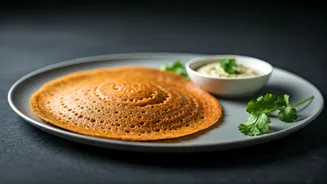
Ready to try it yourself? The key is balance. Ragi has a distinct, nutty flavour and a denser texture, so going 100% ragi on your first try might be overwhelming. A good starting point is to substitute 25-30% of the all-purpose flour in your favourite crepe recipe with ragi flour. For instance, if your recipe calls for 1 cup of maida, use ¾ cup of maida and ¼ cup of ragi flour. Whisk the batter well to ensure there are no lumps, and let it rest for about 15-20 minutes. This allows the ragi flour to hydrate properly, resulting in a smoother, more pliable crepe. Ragi crepes pair beautifully with both sweet and savoury fillings. Try them with fresh fruit and a drizzle of honey, or go savoury with a filling of spiced paneer, mushrooms, or sautéed vegetables.
Beyond Crepes: Other Smart Ragi Swaps
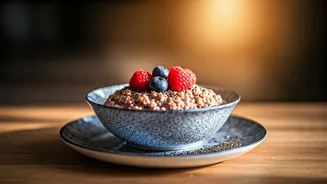
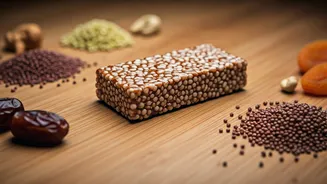
Once you're comfortable with ragi crepes, you'll see its potential everywhere. The same 25-30% substitution rule works wonders in many other recipes. Add ragi flour to your pancake batter for a hearty, filling breakfast. Mix it into the dough for chapatis or theplas for a nutrient boost. It can even be incorporated into baked goods. Ragi brownies have a wonderfully fudgy texture, and ragi cookies offer a wholesome, guilt-free snack. By thinking of ragi not just as a traditional porridge ingredient but as a versatile, health-boosting flour, you can easily upgrade many of your favourite meals.