






The Perfect Nutritional Partnership
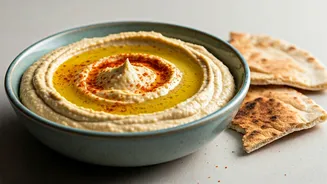
At its core, the pairing of hummus and vegetables is a nutritional powerhouse. Hummus, traditionally made from chickpeas, tahini, lemon juice, and garlic, is an excellent source of plant-based protein, dietary fiber, and healthy fats. This combination
helps you feel fuller for longer, which can aid in weight management. The fiber promotes good digestive health and helps regulate blood sugar levels. When you pair this with raw vegetables—like bell peppers, cucumbers, or carrots—you add a wealth of vitamins, minerals, and antioxidants to the mix. The satisfying crunch of a fresh vegetable combined with the creamy smoothness of hummus is a sensory delight. This contrast in textures is a major reason why the combination is so appealing, making it easier than ever to enjoy nutrient-dense foods.
Go Beyond the Usual Dip
While dipping carrot sticks into a pot of hummus is a classic, the possibilities are far more extensive. Think of hummus as a versatile spread or ingredient. You can slather it on a slice of cucumber and top it with a cherry tomato for a quick, bite-sized snack. Use it as a flavourful, dairy-free alternative to mayonnaise in sandwiches and wraps, loading them up with crisp lettuce, spinach, and grated carrots. Stuff mini bell peppers with hummus for a colourful and crunchy appetiser. You can even thin it out with a little water or lemon juice to create a creamy salad dressing, instantly upgrading a simple bowl of greens into a more substantial and satisfying meal.
Explore a World of Hummus Flavors
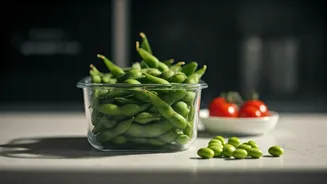
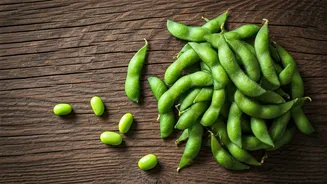
The world of hummus extends far beyond the classic chickpea recipe. Many stores and recipes now feature hummus made from a variety of bases and with countless flavour additions. Black bean hummus offers a Southwestern twist, while edamame hummus provides a unique, bright green alternative. You might also find hummus made from white beans, lentils, or even sweet potatoes. These variations not only keep things interesting but also offer different nutritional profiles. In addition to the base ingredient, look for flavours like roasted red pepper, jalapeño, or garlic. Trying these different types can introduce you to new flavour combinations and inspire you to pair them with different vegetables. A spicy jalapeño hummus might go perfectly with cooling cucumber slices, while a sweet potato hummus could be delicious with snap peas.
Crafting the Ultimate Veggie Platter
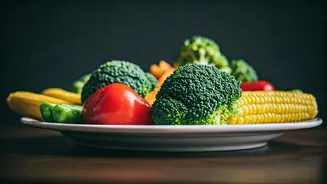
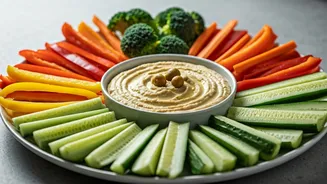
Building an exciting vegetable platter is an art form. To make it truly appealing, focus on colour, texture, and variety. Move beyond just carrots and celery and include some more adventurous choices. Blanched asparagus spears, crunchy jicama sticks, and spicy radishes add unique flavours and textures. Snap peas and snow peas offer a delightful sweetness and crunch. Cherry tomatoes provide a juicy burst, while endive leaves can act as small, edible boats for scooping up the dip. Don't be afraid to mix and match. A colourful platter is not only more visually appealing but also offers a wider range of nutrients. Arrange your veggies around a central bowl of your favourite hummus for a beautiful and healthy centerpiece for any occasion.
Turn Your Snack into a Meal
The humble combination of hummus and veggies can easily be elevated from a simple snack into a balanced and fulfilling meal. Create a Mediterranean-inspired bowl by starting with a generous scoop of hummus and surrounding it with your favourite chopped vegetables, a handful of olives, and some crumbled feta cheese. For added protein, include grilled chicken, hard-boiled eggs, or a sprinkle of roasted chickpeas. You can also add a serving of whole grains like quinoa or a side of whole-wheat pita bread to make it more substantial. These “hummus bowls” are not only delicious and easy to assemble but are also completely customisable to your tastes and what you have available in your fridge.