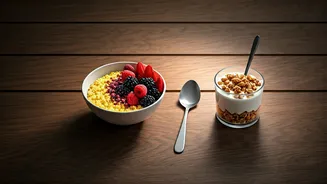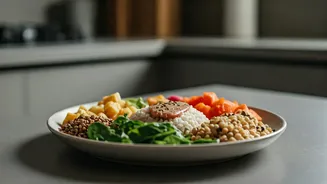







The Shift Towards Mindful Eating
The momentum behind meal planning isn't just a fleeting social media fad; it's a response to the realities of modern urban life in India. Post-pandemic, there's a heightened awareness of health and immunity. People are more conscious of what they consume,
seeking to manage lifestyle-related conditions like diabetes and high blood pressure, which are on the rise. Simultaneously, busy work schedules leave little room for spontaneous, healthy cooking. Meal planning emerges as the perfect solution—a way to exert control over one’s diet, save time during hectic weekdays, and reduce the mental load of daily culinary decisions. It’s a proactive step towards wellness that aligns with a desire for a more organised, less stressful life.
Beyond the Traditional 'Dabba'
While carrying a tiffin from home is a concept deeply ingrained in Indian culture, modern meal planning is a significant evolution. The traditional 'dabba' often contained leftovers or whatever was cooked for the family that day. Today's meal prep is more strategic. It involves planning a week’s menu with specific nutritional goals in mind—be it higher protein, lower carbs, or simply a balanced intake of all food groups. It’s about variety, portion control, and ensuring that every meal contributes to a larger health objective. This new approach uses principles of nutrition science to complement, and sometimes reinvent, traditional Indian cooking for a healthier outcome.
How to Start Your Meal Planning Journey
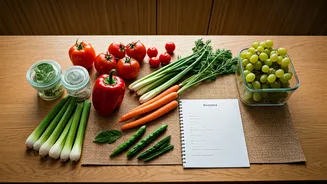
Getting started with meal planning can feel overwhelming, but it doesn't have to be. The key is to start small and build a routine. First, define your 'why'. Are you trying to lose weight, eat more vegetables, or save money? Your goal will guide your choices. Next, plan for just two or three days instead of a full week. Pick a day, like Sunday, to do your 'prep'. This doesn't mean you have to cook full meals. It can be as simple as chopping vegetables, boiling dal and chickpeas, or making a batch of base gravy (onion-tomato masala). This 'component prep' makes assembling fresh meals during the week significantly faster. Finally, create a shopping list based on your plan and stick to it. This prevents impulse buys and ensures you have everything you need.
Leveraging the Indian Kitchen
The Indian kitchen is uniquely suited for meal planning. Our cuisine is built on foundational elements that can be prepared in advance. Making a large batch of ginger-garlic paste, pureeing tomatoes, or preparing a multi-purpose spice mix can save you immense time. You can boil potatoes, sprout legumes, and knead chapati dough ahead of time. These pre-prepared components can then be used to quickly whip up a variety of dishes—from a quick sabzi to a wholesome dal. Think of it as creating your own set of healthy, homemade 'ready-to-cook' ingredients. This method preserves the freshness of the final meal while still offering the convenience that busy schedules demand.
Avoiding Common Pitfalls
Two major challenges can derail a new meal planner: food boredom and storage. To avoid eating the same thing every day, plan for variety. Use your prepped base ingredients in different ways—the same boiled chicken can go into a salad, a sandwich, or a light curry. Introduce 'theme nights' like 'Millet Monday' or 'Salad Saturday' to keep things interesting. For storage, invest in good quality, airtight, and microwave-safe containers (glass is an excellent option). Label them with the date and contents. And remember, be flexible. If you feel like ordering in one night, do it. Meal planning is a tool to make your life easier, not a rigid prison. The goal is consistency, not perfection.