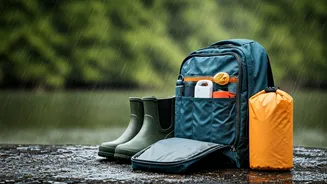






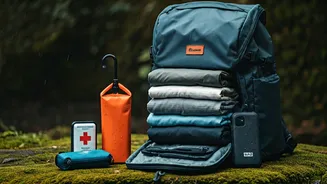


The Foundational First-Aid Kit
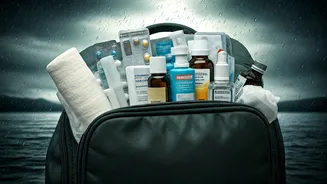
Before anything else, a basic first-aid kit is non-negotiable. This isn't just for epic treks; even a city break can involve minor cuts or headaches. Your kit should contain essentials to manage common ailments. Include pain and fever reducers like paracetamol
or ibuprofen. Pack a variety of adhesive bandages, sterile gauze pads, and medical tape for minor cuts and scrapes. Antiseptic wipes are crucial for cleaning wounds, your hands, or utensils before use. Finally, add tweezers for splinters and scissors for cutting tape or gauze, but remember to pack these in your checked luggage if flying.
Essential Over-the-Counter Medicines
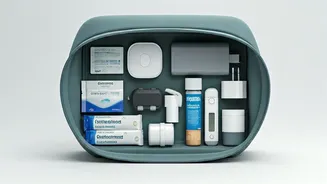
Beyond basic wound care, several over-the-counter medicines can be lifesavers. Antihistamines are a must-have for unexpected allergic reactions, whether from food, pollen, or insect bites. Stomach issues are a common travel complaint, so pack antacids for indigestion and an anti-diarrheal medication like loperamide. For those long travel days, anti-motion sickness tablets can make journeys by car, boat, or plane much more comfortable. It's also wise to include remedies for coughs and colds, as travel can weaken your immune system. Don't forget electrolyte powders or tablets to help with dehydration, which can result from an upset stomach or simply not drinking enough water.
Personal and Prescription Medications
Always pack any prescription medications you take regularly. Ensure you have enough for the entire trip, plus extra in case of delays. It's critical to keep these medications in their original, clearly labelled containers. Carry a copy of your prescriptions and a letter from your doctor, especially if you need to carry medical equipment like syringes. For travellers heading to specific regions, consult a doctor about necessary vaccines for destinations like India, or preventative medications for conditions like malaria or altitude sickness.
Skin Protection and Care
Your skin is exposed to new environments when you travel. Sunscreen with an SPF of 30 or higher is essential, no matter the destination. An aloe vera gel can soothe sunburns, while a hydrocortisone cream can relieve irritation from rashes or insect bites. A reliable insect repellent is particularly important in regions where mosquito-borne illnesses like dengue are a risk. A lip balm with SPF and a quality moisturiser will also help protect your skin from sun and dryness.
Gadgets for Power and Connectivity
In today's world, a dead device can mean losing your map, ticket, or contact with others. A universal travel adapter is the most crucial gadget for international trips, allowing you to plug in anywhere. Pair this with a portable power bank to charge your devices on the go. Many modern power banks are incredibly thin and can charge a phone multiple times. To reduce clutter, consider a 3-in-1 charging cable that can power different devices (e.g., USB-C, Lightning) or a foldable charging station for your phone, watch, and earbuds.
Smart Gadgets for Comfort and Safety
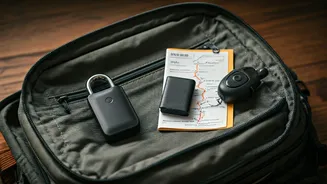
A few clever gadgets can significantly enhance your travel experience. Noise-cancelling earbuds or headphones are a game-changer for noisy flights or bus rides. If you prefer wireless earbuds, a small Bluetooth adapter can connect them to in-flight entertainment systems. A digital luggage scale can help you avoid excess baggage fees by ensuring your bags are within weight limits before you get to the airport. For peace of mind, a Bluetooth tracker like an AirTag or Tile in your luggage can help you locate it if it goes missing. In areas where water safety is a concern, a portable water filter or purification tablets are invaluable.