
The 2026 Perseid Meteor Shower: What to Expect
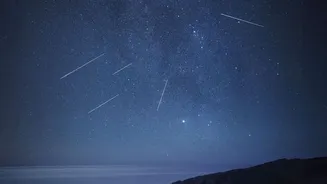
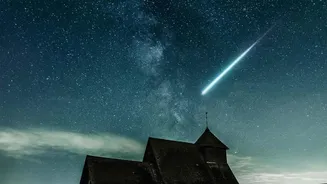
The annual Perseid meteor shower, known for its bright and plentiful meteors, is active from mid-July to late August. However, the real spectacle occurs during its peak, which in 2026 falls on the night of August 12 and into the pre-dawn hours of August 13.
This year is particularly special because the peak aligns perfectly with a new moon, meaning the sky will be exceptionally dark and free of moonlight, allowing even faint meteors to be visible. Under ideal conditions, observers can expect to see up to 100 meteors per hour. For viewers in India, the best time to watch is between 2 a.m. and 4:30 a.m. IST on August 13, when the shower's radiant point in the constellation Perseus is high in the sky.
Hanle, Ladakh: India's Dark Sky Sanctuary
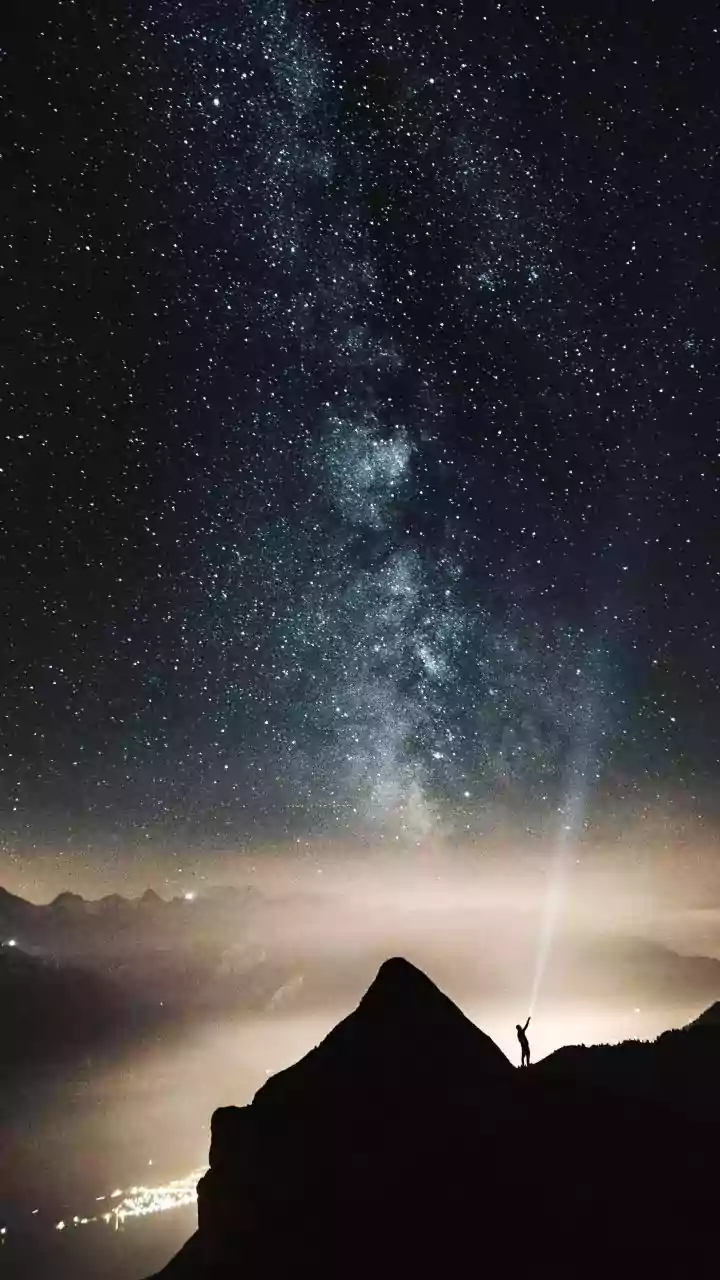
For the most pristine viewing experience, Hanle in Ladakh is unparalleled. Located at an altitude of 4,500 meters, it is home to India's first official Dark Sky Reserve, an area specifically protected from light pollution. The high altitude, dry climate, and minimal human interference result in some of the clearest and darkest skies on the planet. On a moonless night here during the Perseids, the Milky Way is so vivid it can cast a faint shadow, and shooting stars will streak across a canopy crowded with constellations. Local communities have been trained as astronomy ambassadors, enhancing the experience for visitors. While the Indian Astronomical Observatory is a research facility not open to the public at night, the surrounding landscape offers a perfect natural observatory.
Spiti Valley, Himachal Pradesh: A High-Altitude Desert
Often called a high-altitude cold desert, Spiti Valley offers another exceptional option for sky-watchers. Its remote location and average elevation of over 12,000 feet mean there is very little atmospheric distortion or light pollution. Villages like Langza, Kibber, and Komic are renowned for their dark skies, making them ideal bases for watching the meteor shower. The dry, crisp mountain air ensures a high-definition viewing experience. During the peak, you won’t just see meteors; you'll be immersed in a 360-degree celestial panorama. The best viewing season in Spiti is from May to October, when the weather is more accessible.
Rann of Kutch, Gujarat: A Horizon-to-Horizon View
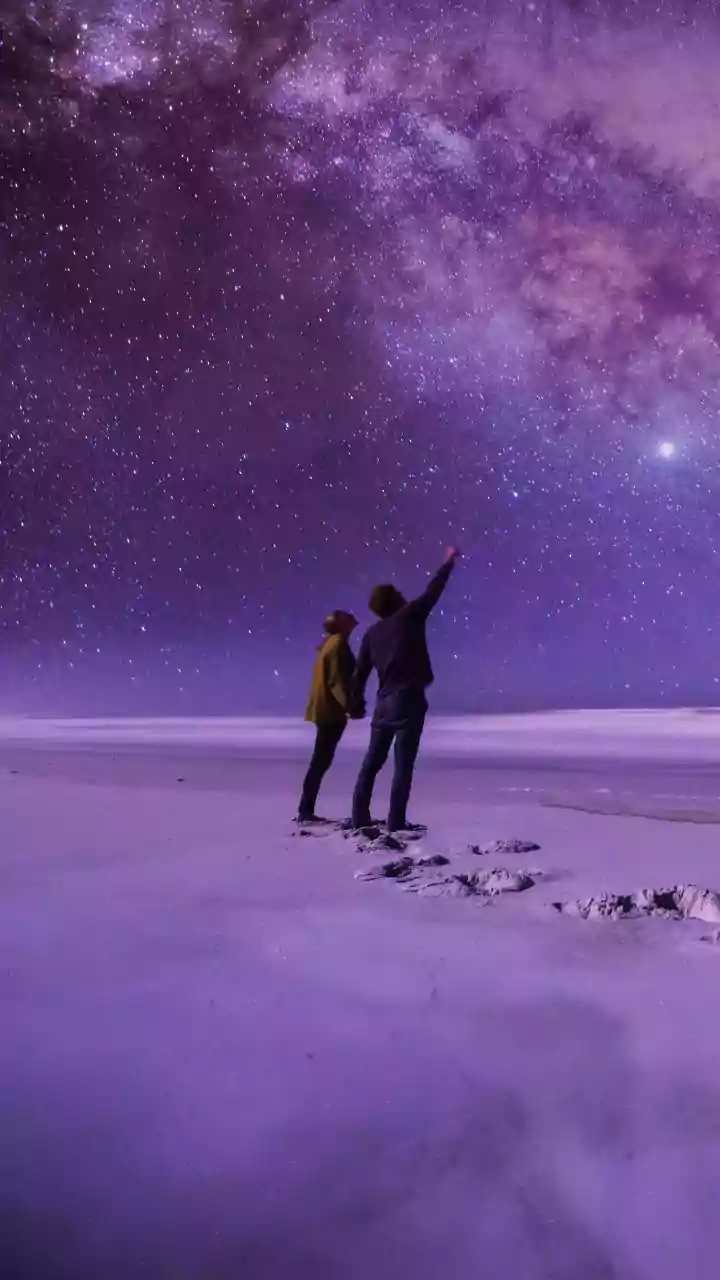
The vast, flat expanse of the Great Rann of Kutch provides a unique and dramatic setting for stargazing. The white salt desert offers an uninterrupted, horizon-to-horizon view of the sky, creating the feeling of being inside a celestial dome. Far from major cities, the region has extremely low light pollution, which is perfect for an event like the Perseids. Though the Rann Utsav festival runs in the winter, the clear skies are a year-round feature. For the Perseids in August, the primary challenge could be monsoon clouds, so it is a higher-risk, high-reward option. However, a clear night on the salt flats offers an unforgettable, almost surreal viewing experience.
Coorg, Karnataka: A South Indian Gem
For those in southern India, Coorg in the Western Ghats presents an accessible and rewarding option. While not a desert, its remote coffee plantations and hilly terrain offer pockets of very dark skies, especially in the southern valleys away from town centers like Madikeri. The region is known for its clear post-monsoon and winter skies, but a break in the August clouds can still provide a fantastic show. Several local operators and observatories offer guided stargazing sessions, complete with telescopes, making it a great choice for both seasoned observers and curious beginners.
Tips for the Best Viewing Experience
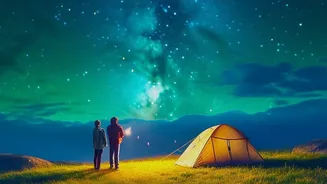
No matter where you go, a few simple tips can greatly enhance your meteor-watching night. First and foremost, you don’t need a telescope; the Perseids are best viewed with the naked eye. Find a comfortable spot where you can lie back and look straight up. Give your eyes at least 20-30 minutes to fully adapt to the darkness, and avoid looking at your phone screen, as the bright light will ruin your night vision. Dress warmly, as even summer nights can get cold, especially at high altitudes. Finally, check the weather forecast before you head out. A clear sky is the most important ingredient for a successful night of stargazing.