





What Exactly Is Animal Flow?
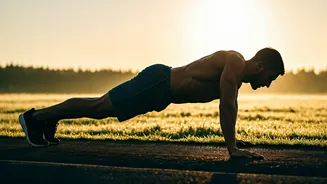
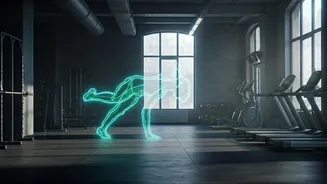
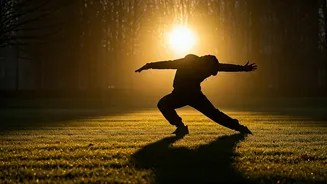
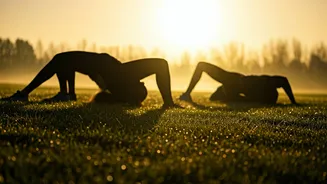
Forget treadmills and weight racks. Animal Flow is a structured, bodyweight-only system that centers on ground-based movements. Practitioners learn to transition seamlessly between forms that mimic animal locomotion—think the deep squat of an Ape, the powerful
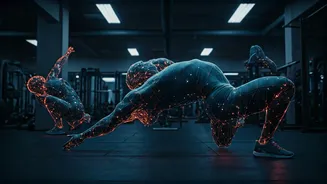
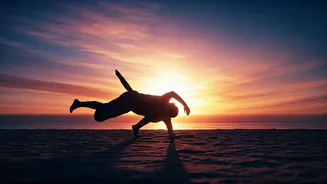
crawl of a Beast, or the sideways scuttle of a Crab. Created by fitness expert Mike Fitch, the program is built on six core components, including wrist mobilization, activations (static holds), form-specific stretches, and, most famously, the ‘Flows’ themselves. These are choreographed sequences where different movements are linked together, creating a graceful, dance-like routine that builds serious strength, flexibility, and coordination. It’s a workout that looks as much like breakdancing or capoeira as it does traditional exercise, demanding focus and a mind-body connection that is often missing from repetitive gym routines.
The Allure of Primal Movement
Part of the appeal lies in its rejection of modern, sedentary life. The philosophy behind Animal Flow and other “primal movement” disciplines is that our bodies are designed to move in complex, varied ways that have been lost in our chair-bound, screen-focused world. This workout is an antidote. It reintroduces fundamental human movement patterns—crawling, squatting, rolling, and balancing—that improve functional fitness. For many, it’s a liberating way to get back in touch with their own physicality. There’s no equipment needed, making it accessible and adaptable to any space, from a small apartment to a local park. The practice is less about “crushing a workout” and more about exploring your body’s capabilities, making fitness feel like play rather than a chore.
A New Current for Desi Youth
While Animal Flow has a global following, its growing popularity among second-generation South Asians in U.S. cities is particularly noteworthy. For many in this demographic, it represents a departure from both the conventional American gym scene and the more traditional fitness expectations within their own culture. It provides a third space—a modern, expressive, and powerful form of wellness. Some practitioners see echoes of ancient Indian physical cultures, such as the martial art Kalaripayattu or yoga’s dynamic sequences, even if there’s no direct lineage. This perceived connection to a non-Western, pre-colonial form of strength offers a unique layer of cultural resonance. On social media, Desi trainers and influencers are showcasing the discipline’s blend of grace and power, challenging outdated stereotypes and presenting a new image of South Asian athleticism and vitality.
More Than Just Exercise
For these urban Desi youth, the practice often transcends physical fitness. It becomes a form of self-expression and community building. Classes and park meetups create a space for connection outside of more traditional family or religious gatherings. In a culture that can sometimes emphasize academic and professional achievement above all else, mastering a physical discipline like Animal Flow offers a different kind of accomplishment. It’s about building confidence, physical autonomy, and what practitioners call “embodied intelligence.” Moving with control and fluidity is a powerful feeling, offering a mental release from the pressures of daily life. It’s a silent, moving meditation that builds resilience from the ground up, fostering a sense of empowerment that carries over long after the workout is finished.