

Vegetables: The First to Feel the Pinch
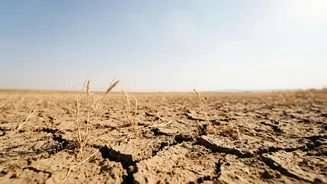
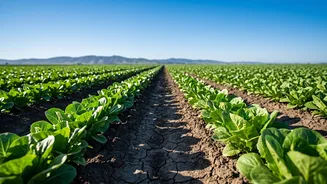
Vegetables are the sprinters of the agricultural world. Many, like leafy greens, tomatoes, and gourds, have short cultivation cycles, often lasting just a few weeks or months. This means their health is directly tied to the immediate weather. A dry spell
in September directly impacts the standing crop that is meant for markets in October and November. Without consistent rainfall or irrigation, yields can drop, and quality can suffer almost immediately. Farmers note that constant dry spells reduce the size and shelf life of vegetables, making them less appealing for both export and domestic markets. This direct and rapid dependency on water makes them highly vulnerable to even short periods of deficient rain.
The Supply Chain Race
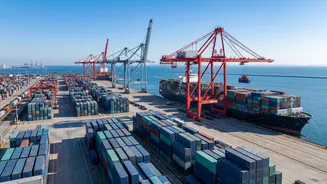
The journey from farm to fork is dramatically different for vegetables compared to grains. Vegetables are highly perishable. A farmer harvesting tomatoes or okra must get them to the local mandi and into the supply chain within days, if not hours. There is very little buffer. Consequently, any disruption at the farm level—like a poor harvest due to lack of water—translates into an immediate shortage in the market. This scarcity, coupled with transportation hurdles that can also arise from erratic weather, causes prices to spike almost overnight. This fragile and fast-moving supply chain is why you see the price of onions or tomatoes react so quickly to news of crop damage.
Staple Grains: A Story of Stock and Stability
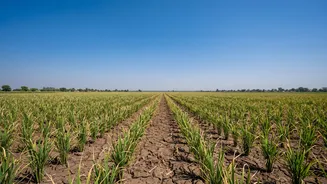
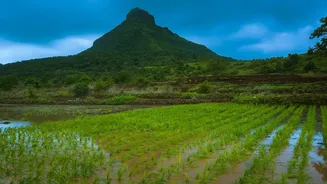
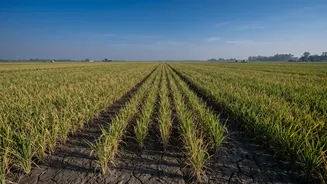
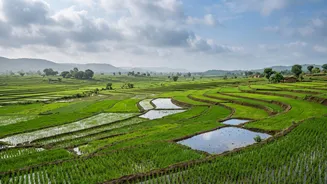
Staple grains like rice and wheat operate on a much longer and more stable timeline. The main kharif (monsoon) rice crop, for instance, is often in its maturing stage by September. While a dry spell isn't ideal, the immediate impact on the harvest is less severe than on a delicate vegetable crop. More importantly, the price of grains is shielded by several layers of economic cushioning. The government's Minimum Support Price (MSP) and massive procurement operations for the Public Distribution System (PDS) create a huge buffer. Agencies like the Food Corporation of India (FCI) maintain large stockpiles of rice and wheat, which can be released to stabilise prices if there's a shortfall. This robust infrastructure means that a poor monsoon doesn't immediately translate to higher prices at the flour mill or rice shop.
The Delayed Ripple Effect on Grains
This isn't to say grains are immune to a dry September. The impact is just delayed. A significant rainfall deficit affects soil moisture, which is critical for the sowing of the next major crop cycle, the rabi (winter) season. Key rabi crops include wheat and chana (chickpea). If the soil is too dry in October and November, farmers may delay sowing or switch to less water-intensive crops, potentially affecting the rabi harvest several months down the line. Furthermore, a weak end to the monsoon means lower water levels in reservoirs, which curtails the water available for winter irrigation. So, while you might not see the price of wheat flour jump in October, the consequences of a dry September could be felt the following spring.