



The Rise of the Balcony Oasis
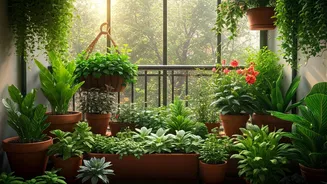
Look around any urban neighbourhood, from Mumbai to Bengaluru, and you’ll see it: a splash of green against the grey. The humble balcony, once a forgotten space for drying clothes or storing old furniture, is undergoing a quiet revolution. Spurred by
a collective desire for wellness, a connection to nature, and the simple joy of nurturing life, city dwellers are transforming these small outdoor pockets into vibrant, living gardens. This isn't just about aesthetics; it’s a powerful act of reclaiming personal space and finding calm amidst the chaos. A balcony garden offers a daily dose of nature, a hobby that grounds you, and the immense satisfaction of watching something grow because of your care.
Assess Your Space Before You Start
Before you rush to the nearest nursery, take a moment to understand your balcony’s unique environment. This is the single most important step. First, track the sun. How many hours of direct sunlight does your balcony get, and at what time of day? A south-facing balcony that bakes in the afternoon sun will require very different plants than a north-facing one that receives only indirect light. Next, consider the wind and rain. Is your balcony exposed to strong gusts or heavy monsoon downpours? This will influence your choice of plants and pots. Finally, think about logistics. Where is your nearest water source? And crucially, be mindful of the balcony’s weight capacity. A few small pots are fine, but large, water-logged ceramic containers can add significant weight.
Choosing Your Green Companions
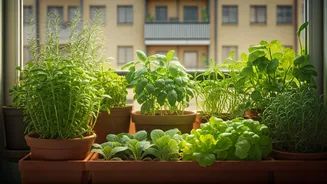
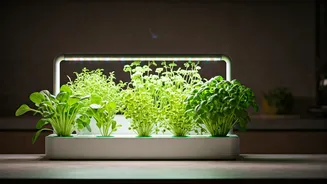
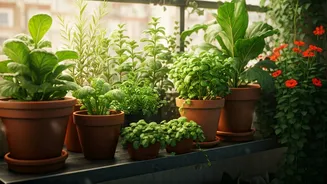
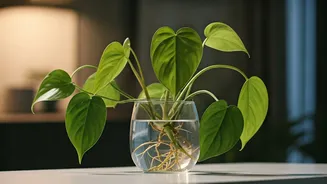
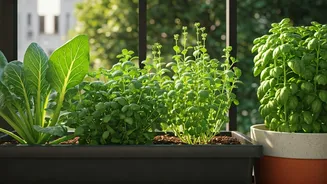
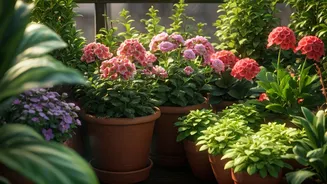
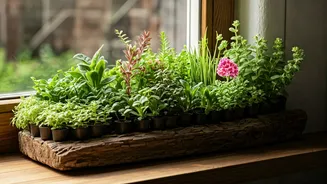
The key to a successful balcony garden is choosing the right plants for your conditions. For beginners, it's best to start with hardy, low-maintenance options. The indestructible money plant (Epipremnum aureum), snake plant (Dracaena trifasciata), and ZZ plant (Zamioculcas zamiifolia) are excellent for purifying the air and tolerating neglect. If you have a few hours of sun, try growing your own herbs. A pot of tulsi, mint, or coriander is not only beautiful but incredibly useful in the kitchen. For a splash of colour, marigolds, bougainvillaea, and hibiscus are classic Indian choices that thrive in sunny spots. Want to grow food? Cherry tomatoes, chillies, and brinjal can do surprisingly well in large containers.
The Right Foundation: Pots and Soil
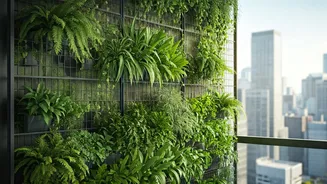
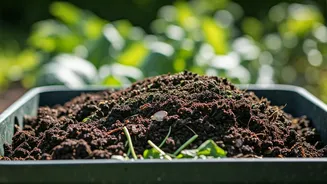
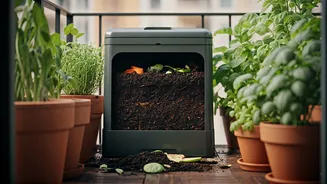
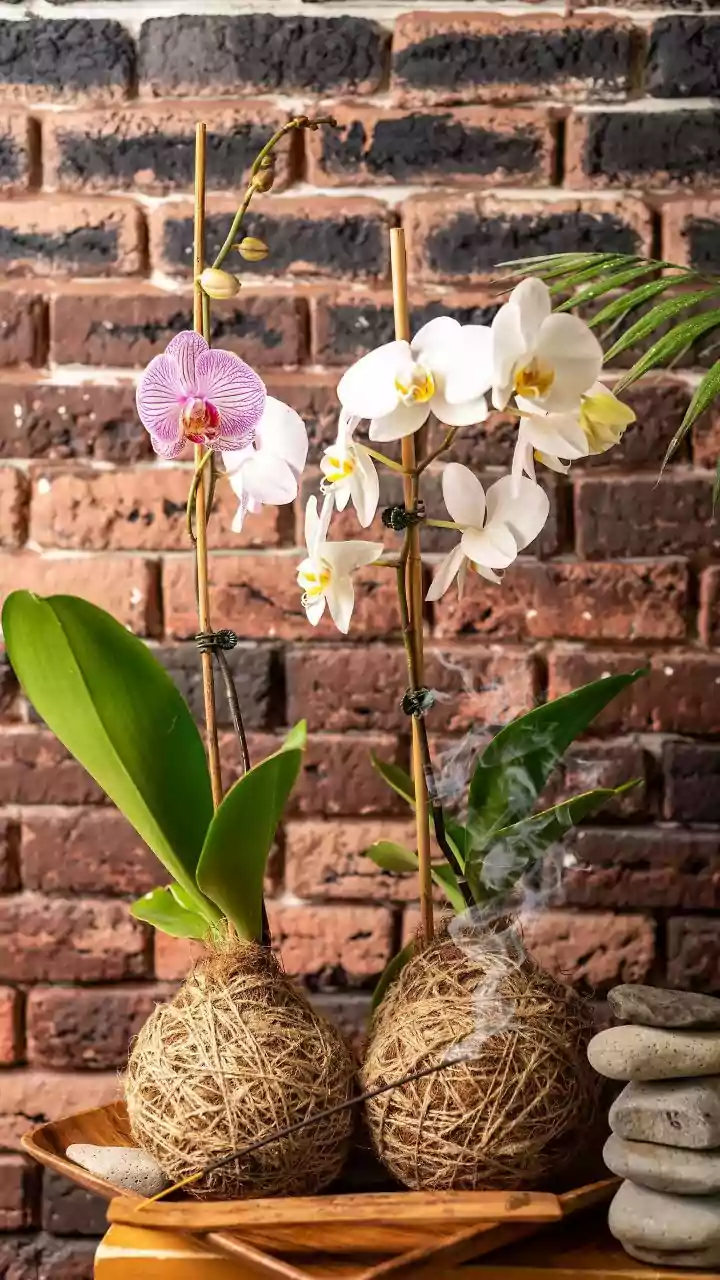
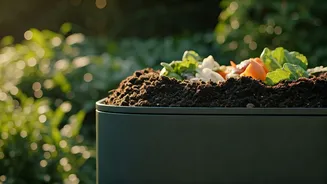
Your plants are only as healthy as the soil they live in. Don't just use garden soil, which can be too heavy and compact in pots. Invest in a good quality potting mix, which is lighter and provides better drainage and aeration. You can buy pre-made mixes or create your own by combining cocopeat (kokedama), compost (vermicompost is excellent), and a small amount of soil. When it comes to pots, you have endless choices, from traditional terracotta to lightweight plastic or stylish ceramic. Whatever you choose, ensure it has a drainage hole at the bottom. Without it, water will collect and rot the roots. To maximise a tiny space, think vertically. Use hanging planters, wall-mounted shelves, or tiered stands to create layers of green without cluttering the floor.
A Routine of Care and Attention
Gardening is a relationship, not a one-time setup. The good news is that balcony garden care is simple. The golden rule of watering is to check the soil first. Stick your finger an inch or two deep; if it feels dry, it's time to water. Water thoroughly until it runs out of the drainage hole, and then let the soil dry out slightly before watering again. Most plants get stressed from overwatering, not underwatering. Feed your plants every few weeks during their growing season with a balanced liquid fertiliser or some fresh compost. Keep an eye out for pests like mealybugs or aphids. Often, a simple spray of neem oil mixed with water and a drop of liquid soap is enough to keep them at bay.