






The All-Important Fibre Factor
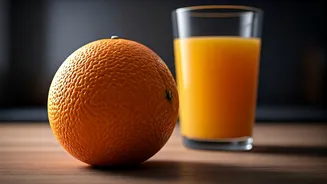
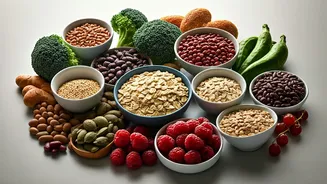
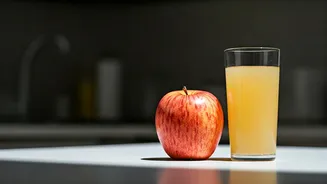
The biggest difference between a whole fruit and its juice is fibre. When you eat an orange, you consume the pulp and membranes, which are packed with soluble and insoluble fibre. This fibre is a superstar for your digestive system, promoting regularity
and feeding the good bacteria in your gut. More importantly, it acts like a sponge, slowing down the absorption of sugar into your bloodstream. When you juice a fruit, you strip away almost all of this beneficial fibre, leaving behind what is essentially sugar water with some vitamins. You miss out on the very element that makes fruit a healthy, slow-release source of energy.
A Tale of Two Sugars
Not all sugar is created equal. The sugar in whole fruit is called 'intrinsic sugar' because it's naturally locked within the fruit's fibrous cellular structure. Your body has to work to break down these cells to get to the sugar, leading to a slow, gentle release of energy. Juice, on the other hand, contains 'free sugars.' With the fibre gone, this sugar is immediately available and floods your system, causing a rapid spike in blood sugar. Your pancreas then works overtime to release insulin to manage this spike, which over time can contribute to insulin resistance and other health issues. Think of it like this: whole fruit provides a steady drip of fuel, while juice is like pouring gasoline on a fire.
The Fullness Feeling (or Lack Thereof)
Have you ever noticed you can drink the juice of three or four oranges in a minute, but eating three whole oranges would be a real challenge? That’s satiety in action. The combination of fibre, which adds bulk, and the physical act of chewing sends powerful signals to your brain that you are full and satisfied. Because juice has no fibre and requires no chewing, it bypasses these critical satiety signals. You consume the calories of several fruits without feeling full, making it easy to overconsume calories and still feel hungry shortly after. This is why whole fruits are allies in weight management, while fruit juice is often linked to weight gain.
Where Did the Nutrients Go?
While juice does retain some vitamins and minerals, the process of juicing can lead to nutrient loss. Many beneficial compounds, including antioxidants like flavonoids, are concentrated in the fibrous parts of the fruit that get discarded. Furthermore, exposure to oxygen, light, and heat during the juicing process (and pasteurisation for store-bought juices) can degrade sensitive vitamins like Vitamin C. A whole fruit, protected by its skin, is a perfectly contained package that delivers its nutrients in their most stable and complete form. You get the whole symphony of vitamins, minerals, and phytonutrients working together, not just a few isolated notes.
So, Is Juice Ever Okay?
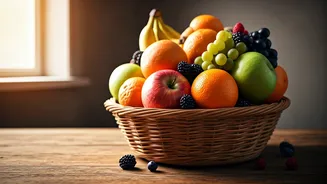
This isn't to say you must banish juice from your life forever. A small glass of 100% fruit juice can be a convenient way to get a quick dose of vitamins, especially if eating whole fruit isn't an option. It can be useful for people with specific digestive issues or those who need to gain weight. However, it should be treated as a supplement or a treat, not a replacement for whole fruits. The official recommendation is to limit juice intake to a small glass (around 150ml) per day and to always prioritise eating your fruits instead of drinking them. Cold-pressed juices might retain slightly more nutrients than conventional ones, but they still lack the all-important fibre.