







Why Humidity Is the Real Culprit
The primary reason your food succumbs to spoilage faster during the rains is the dramatic increase in atmospheric moisture. High humidity, often exceeding 70-80%, combined with warm temperatures, creates an ideal environment for microorganisms like mould,
fungi, and bacteria to thrive. These tiny organisms multiply rapidly on food surfaces, leading to the fuzzy growth on bread, the strange smell from pulses, and the quick decay of fresh produce. This process alters the texture, colour, smell, and nutritional value of food, rendering it unsafe for consumption.
Smart Storage for Dry Staples
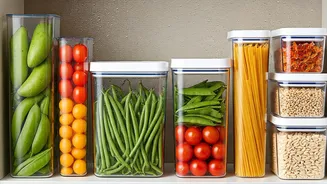
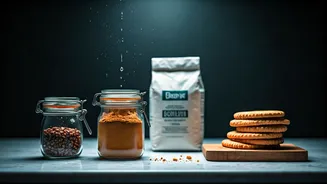
Your pantry is particularly vulnerable during the monsoon. Items like flour, lentils (dal), rice, spices, and biscuits readily absorb moisture from the air, which leads to clumping, loss of flavour, and insect infestations. The best defence is to transfer these items from their original bags into clean, dry, airtight containers. Glass or BPA-free plastic jars with secure lids are excellent choices. For an extra layer of protection, you can lightly roast grains and spices before storing them to remove any existing moisture. Traditional methods, like adding a few dried bay leaves, neem leaves, or whole red chillies to grain containers, can also act as natural repellents.
Handle Fresh Produce with Extra Care
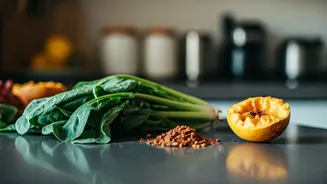
Fruits and vegetables have high water content, making them highly susceptible to spoilage. Leafy greens like spinach, in particular, can wilt and rot quickly. It's crucial to wash all produce thoroughly, but even more important to dry it completely before storage. Use a salad spinner or pat greens dry with paper towels. Wrap them in paper towels and store them in breathable or mesh bags in the refrigerator. Consider buying fresh produce in smaller quantities more frequently to ensure you use it before it turns. It's also wise to refrigerate items you might normally leave out, such as onions, garlic, and ginger, to prolong their life during these humid months.
Rethink Your Refrigerator Strategy
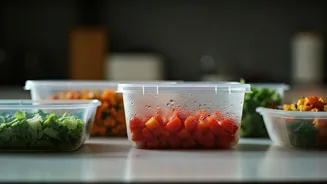
Your refrigerator is a key ally, but it needs to be managed correctly. Overcrowding the fridge restricts air circulation, which is vital for maintaining a consistent, cool temperature and preventing spoilage. Make sure there is space between items for air to flow. During the monsoon, be extra vigilant with dairy products like milk, paneer, and curd, which are highly sensitive to temperature changes and spoil rapidly. Store leftovers in sealed containers promptly and aim to consume them within a day or two. It’s also a good practice to clean your fridge regularly, as small spills and food particles can become breeding grounds for mould.
Beyond the Basics: Oils, Spices, and Bread
Some spoilage is less obvious. High humidity can accelerate the process of oxidation in cooking oils, making them go rancid faster. Store oils in a cool, dark place away from the stove. Spices not only clump but can also lose their potency and aroma. Adding a few grains of rice to a spice jar can help absorb excess moisture. Bread and other baked goods are like sponges for moisture, creating perfect conditions for mould. By the time you see a spot of mould, its microscopic roots may have spread throughout the loaf, so it's safest to discard the entire item. Storing bread in the refrigerator or freezer can significantly extend its life.