



Start by Surveying Your Space
Before you buy a single seed, take a good look at your available space. Do you have a small balcony, a sunny windowsill, or a larger terrace? The most important factor to assess is sunlight. Observe your chosen spot throughout the day. Does it get more
than six hours of direct, harsh sun? That’s full sun. Does it get about four to six hours, perhaps in the morning or late afternoon? That's partial sun. Or is it mostly shaded? This simple observation will determine which plants will thrive. In India, a spot with morning sun and afternoon shade is often the sweet spot, protecting plants from the intense midday heat. Measure your area to know exactly how many pots or planters can fit without making the space feel cramped.
Choose Your Containers Wisely
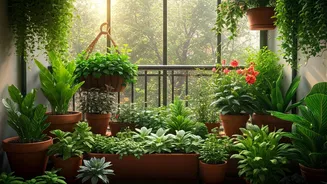
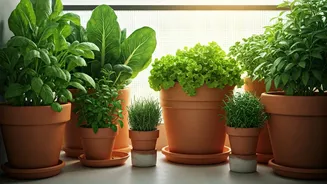
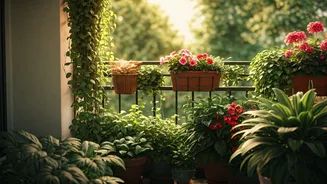
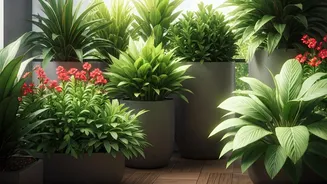
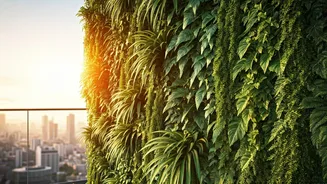
Container gardening is all about making the most of limited space. Don't just think of standard round pots. Vertical gardens, which use stacked planters or wall-mounted pockets, are brilliant for growing herbs and flowers without taking up floor space. Railing planters instantly beautify your balcony railings and are perfect for trailing flowers. Hanging baskets can be filled with colourful blooms and suspended from an overhead beam or hook. For materials, terracotta (clay) pots are a classic choice in India; they are porous and allow roots to breathe, but they also dry out quickly in the heat. Plastic pots are lightweight and retain moisture longer but can get very hot in direct sun. You can also get creative by upcycling old paint buckets, tins, or wooden crates – just ensure they have drainage holes at the bottom.
Get the Soil Right
The success of your container garden depends heavily on what's inside the pot. Simply scooping up soil from the ground won't work. Garden soil is too dense, compacts easily with watering, and can harbour pests and diseases. Instead, you need a good-quality potting mix. You can buy pre-made mixes online or from a local nursery. A good mix is typically a combination of cocopeat (for moisture retention), compost or vermicompost (for nutrients), and perlite or sand (for drainage and aeration). This combination creates a light, fluffy medium that allows plant roots to grow strong and healthy, which is essential for surviving in the confines of a pot.
Pick the Perfect Plants
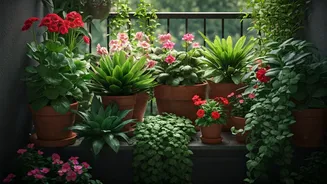
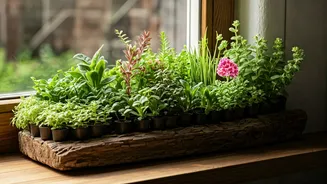
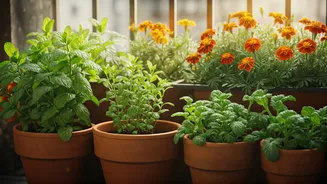
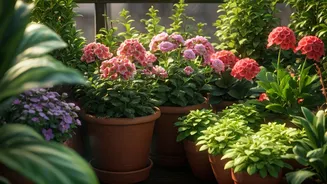
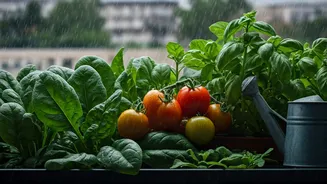
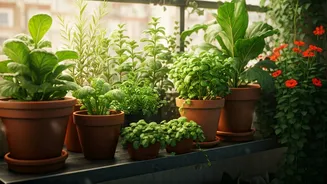
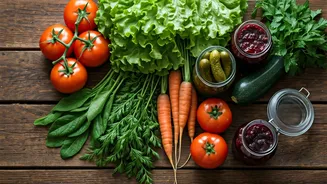
This is the most exciting part! For a beginner, it's best to start with plants that are hardy and forgiving. Herbs are a fantastic choice for Indian kitchens. A small pot of mint (pudina) will give you a near-endless supply for chutneys and drinks. Holy basil (tulsi), curry leaves, coriander (dhania), and chillies are also incredibly easy to grow in containers. For vegetables, start with cherry tomatoes, brinjal, and leafy greens like spinach (palak). If you love flowers, marigolds (genda) are a must-have—they're hardy, repel pests, and are culturally significant. Petunias, vinca (sadabahar), and bougainvillea (in a large pot) also add vibrant colour and thrive in sunny Indian balconies.
Master the Art of Care
Caring for a container garden is a simple routine. The most common mistake is overwatering. Plants in pots need regular watering, but their soil should never be waterlogged. A good rule of thumb is to stick your finger about an inch into the soil. If it feels dry, it's time to water. Water thoroughly until it drains from the bottom. In peak summer, you might need to water daily. Plants in pots also have limited access to nutrients, so you'll need to feed them every few weeks. A simple liquid fertiliser or a handful of vermicompost will do the trick. Keep an eye out for common pests like mealybugs and aphids. A simple spray of neem oil solution is an effective organic remedy.