







The Push for Safer Meals
Long-standing passenger complaints about hygiene have prompted a significant crackdown by Indian Railways and the Indian Railway Catering and Tourism Corporation (IRCTC). In response to feedback and audit findings, a multi-pronged enforcement drive is underway
to overhaul how food is prepared, packaged, and delivered to millions of passengers daily. Over the last three years, this has resulted in substantial fines amounting to ₹5.13 crore for catering violations, the termination of six contracts, and the debarment of several licensees. The message is clear: the era of inconsistent food quality is intended to be a thing of the past. The goal is to bridge the gap between traditional railway meals and contemporary dining standards, ensuring safety and quality are paramount.
Technology in the Kitchen
At the heart of this transformation is a major technology deployment. IRCTC has installed approximately 2,400 AI-enabled CCTV cameras across more than 800 base kitchens nationwide. These cameras feed live footage to a central control room in Delhi, where an AI system monitors operations in real-time. The system is designed to automatically detect a range of hygiene lapses, such as staff not wearing hairnets or gloves, improper food handling, and the presence of pests like rodents or cockroaches. If an issue is flagged, an alert is sent to the kitchen manager. If unresolved within a set time, the issue is automatically escalated to higher officials, ensuring accountability and swift corrective action.
Smarter, Safer Packaging
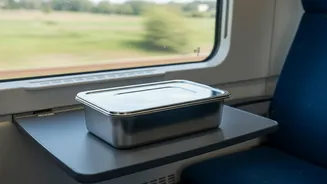
The focus on safety extends directly to the packaging. One of the most visible changes for passengers is the introduction of QR codes on meal packets. Scanning this code reveals crucial information, including the kitchen where the food was prepared, and the date and time of packing. This digital traceability creates a clear chain of responsibility, allowing both passengers and inspectors to verify the food's origin and freshness, and helps curb the sale of unauthorised food on trains. Furthermore, there is a continued push towards environmentally friendly materials. Since 2018, Indian Railways has been phasing in biodegradable containers made from bagasse, a sugarcane by-product, on premium trains like Rajdhanis and Shatabdis, aiming to replace single-use plastics. The 2026 IRCTC Catering Policy reinforces this by banning single-use plastics and allowing only biodegradable packaging.
What This Means for Your Journey
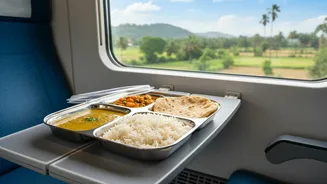
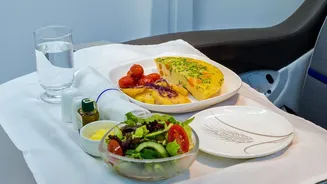
For the average passenger, these changes promise a more reliable and transparent dining experience. The combination of AI surveillance in kitchens and QR-coded packaging aims to ensure that the meal you receive is prepared under hygienic conditions. All catering units are required to have FSSAI certification, and regular food sampling and audits are part of the new standard operating procedure. Beyond safety, the system is also becoming more user-friendly. The expansion of e-pantry services allows travellers to pre-book meals online when purchasing their tickets, helping caterers manage production and reduce waste. While challenges like menu consistency and service on all routes remain, the foundational changes are designed to build passenger trust and deliver a better standard of food across the network.