



Water as a Time Capsule
Water, in its various forms, offers a remarkable window into the past. One of the most powerful tools for paleoclimatologists—scientists who study past climates—is the ice core. Drilled from the ancient ice sheets of Antarctica and Greenland, these long
cylinders of ice contain layers of compressed snow that have accumulated over hundreds of thousands of years. Each layer traps tiny bubbles of the atmosphere from the time it was formed. By analyzing the gases in these bubbles, researchers can directly measure past concentrations of greenhouse gases like carbon dioxide and methane. These ice cores show that for 800,000 years, CO2 levels naturally fluctuated but never rose as sharply or as high as they have since the Industrial Revolution. The chemical composition of the ice itself, specifically the ratio of different oxygen isotopes, also reveals the global temperature at the time the snow fell, providing a direct link between atmospheric gases and climate.
The Global Climate Regulator
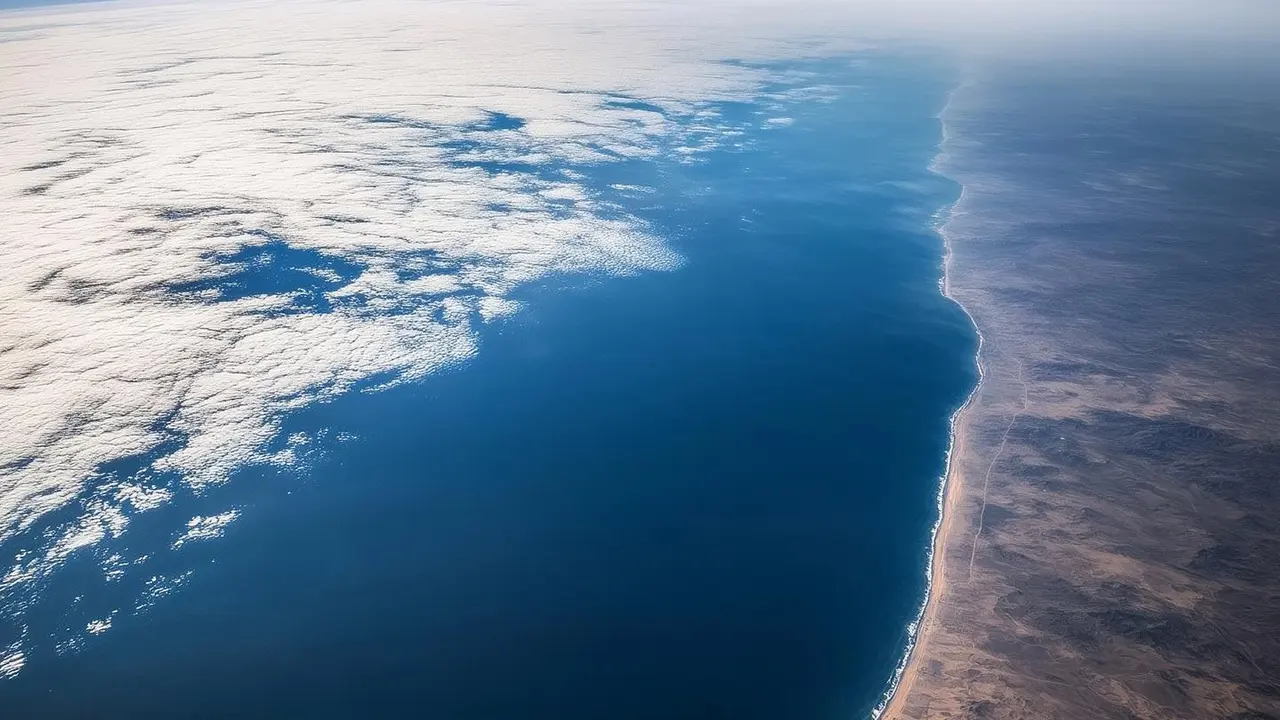
Beyond frozen records, the planet's liquid water plays an active role in regulating our climate every day. Ocean currents function like a global conveyor belt, moving vast amounts of heat around the planet. Warm water from the equator travels toward the poles, while cold, dense water from polar regions sinks and flows back toward the tropics. This constant circulation helps counteract the uneven distribution of solar energy, preventing the tropics from being unbearably hot and the higher latitudes from being excessively cold. This system, known as the thermohaline circulation, also plays a crucial role in the planet's carbon cycle. The ocean absorbs enormous amounts of carbon dioxide from the atmosphere, and currents help transport it to the deep sea, effectively storing it away. Scientists study these patterns to understand how changes in ocean temperature could disrupt this vital heat and carbon distribution system, with major implications for weather patterns worldwide.
Reading the Air
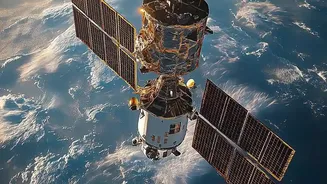
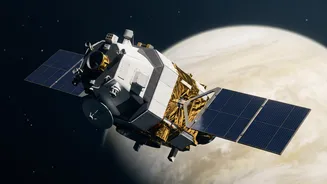
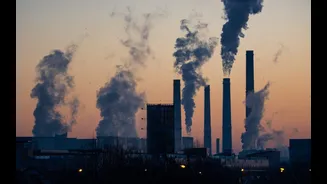
The air we breathe holds secrets not just about the present, but also the deep past. As mentioned, ancient air preserved in ice cores provides a direct sample of past atmospheric composition. But scientists also study the atmosphere in real-time using satellites, aircraft, and ground-based instruments to track its chemical makeup. This research helps them monitor pollutants, understand how they are transported across continents, and see how different gases interact with each other and with sunlight. For example, NASA's Atmospheric Infrared Sounder (AIRS) instrument can measure the global distribution of gases like ozone, methane, and sulfur dioxide. This data is crucial for improving air quality forecasts and for refining climate models by showing how aerosols like dust and smoke affect temperature. Understanding atmospheric chemistry allows scientists to pinpoint the sources of emissions and evaluate the effectiveness of policies designed to reduce them.
Modelling a Complex Future
The ultimate goal of studying water, air, and historical climate is to build a more accurate picture of the future. The data gathered from ice cores, ocean currents, and atmospheric monitoring is fed into sophisticated computer simulations known as climate models. These models use the fundamental laws of physics and chemistry to simulate the complex interactions within the Earth system. By testing the models against historical data—a process called hindcasting—scientists can verify their accuracy. If a model can successfully replicate past climate changes revealed in ice cores and other records, it gives researchers confidence in its ability to project future scenarios. These projections are vital for anticipating changes in everything from sea-level rise and hurricane intensity to shifts in agricultural zones and the frequency of droughts and floods, providing the essential information needed to guide policy and adaptation strategies.