



Start with a Foundation of Food Safety
The most important part of planning travel food has little to do with recipes and everything to do with safety. Improperly stored food can become a breeding ground for bacteria, leading to foodborne illnesses that can ruin any trip. Perishable items like
meat, dairy, and certain salads need to be kept at safe temperatures. For cold foods, this means at or below 5°C, and for hot foods, above 60°C. When packing a cooler, use plenty of ice or frozen gel packs, and consider pre-chilling the cooler itself before loading it. A full cooler stays cold longer, so fill any empty space with extra ice or non-perishable items. To prevent cross-contamination, always pack raw meats separately from ready-to-eat foods like fruits and sandwiches. Finally, remember the two-hour rule: perishable food shouldn't sit at room temperature for more than two hours—or just one hour if the temperature is above 32°C.
Smart Food Choices for the Road
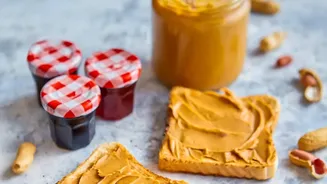
The best travel foods are those that are non-perishable, require minimal handling, and don't create a mess. Shelf-stable, plant-based foods are often the safest bet, as they carry a lower risk of spoilage. Think nuts, seeds, trail mix, granola bars, and whole fruits that you can peel yourself, like bananas and oranges. Dried fruits such as apricots and dates are also excellent, energy-boosting options. For a more substantial meal, consider items that travel well without refrigeration. Hard-boiled eggs, hard cheeses, and sturdy breads or rotis are good choices. If you pack rotis or parathas, wrapping them in aluminium foil rather than a sealed plastic box helps prevent them from becoming soggy by allowing steam to escape. Avoid mayonnaise-based salads, soft cheeses, and anything with raw eggs, as these spoil quickly.
Master the Art of Low-Mess Packing
Strategic packing is what separates a smooth meal from a chaotic mess. The golden rule is to keep wet and dry items in separate, dedicated containers. Never combine a gravy-based dish with dry snacks, even in a container with dividers, as moisture can still travel. For liquids and semi-liquids like dal or curries, use containers with secure, leak-proof lids; test them upside down before you pack. Packing food in individual, meal-sized portions is also a smart move. This makes items easier to access and reduces the number of times you need to open your main cooler, which helps maintain a safe, cold temperature inside. For items like flour, sugar, or other loose dry goods, transferring them from their original bags into sturdy, airtight containers can prevent spills.
Maintain Hygiene During Your Journey
Cleanliness doesn't stop once the food is packed. Your hands are one of the biggest sources of contamination, so maintaining hygiene on the go is crucial. Always wash your hands with soap and water for at least 20 seconds before handling or eating food. If soap and water aren't available, an alcohol-based hand sanitiser with at least 60% alcohol is a suitable alternative. It's also wise to pack disposable wipes for cleaning surfaces and utensils. To avoid contaminating drinks, consider keeping them in a separate, smaller cooler from your food. The beverage cooler will likely be opened more frequently, and this practice helps keep the food cooler sealed and consistently cold. Lastly, have a designated bag for trash to keep your space clean and tidy throughout the journey.