




The crisp air of autumn can make outdoor workouts invigorating, but the drop in temperature requires a smarter approach. Instead of letting the cold sideline your fitness goals, you can adapt and thrive with a few key adjustments.
Start With a Proper Warm-Up
When the temperature
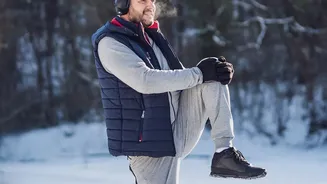
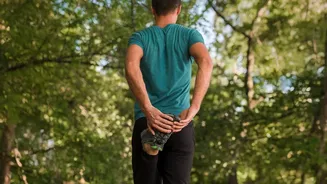
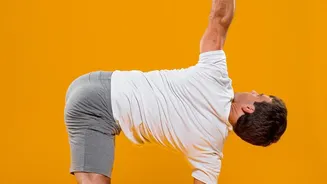
drops, your muscles and joints become stiffer, increasing the risk of strains or other injuries. A proper warm-up is always crucial, but it's even more vital in the cold. Your muscles require more time to loosen up, so dedicate at least five to ten minutes to preparing your body before you begin the main part of your workout. Start with some light cardio like a brisk walk or jog to increase your heart rate and blood flow. Follow this with dynamic stretches—active movements that take your joints through their full range of motion. Think leg swings, arm circles, walking lunges with a torso twist, or high knees. This approach actively warms the muscles you're about to use, unlike static stretching (holding a position), which is better suited for your cool-down.
Master the Art of Layering
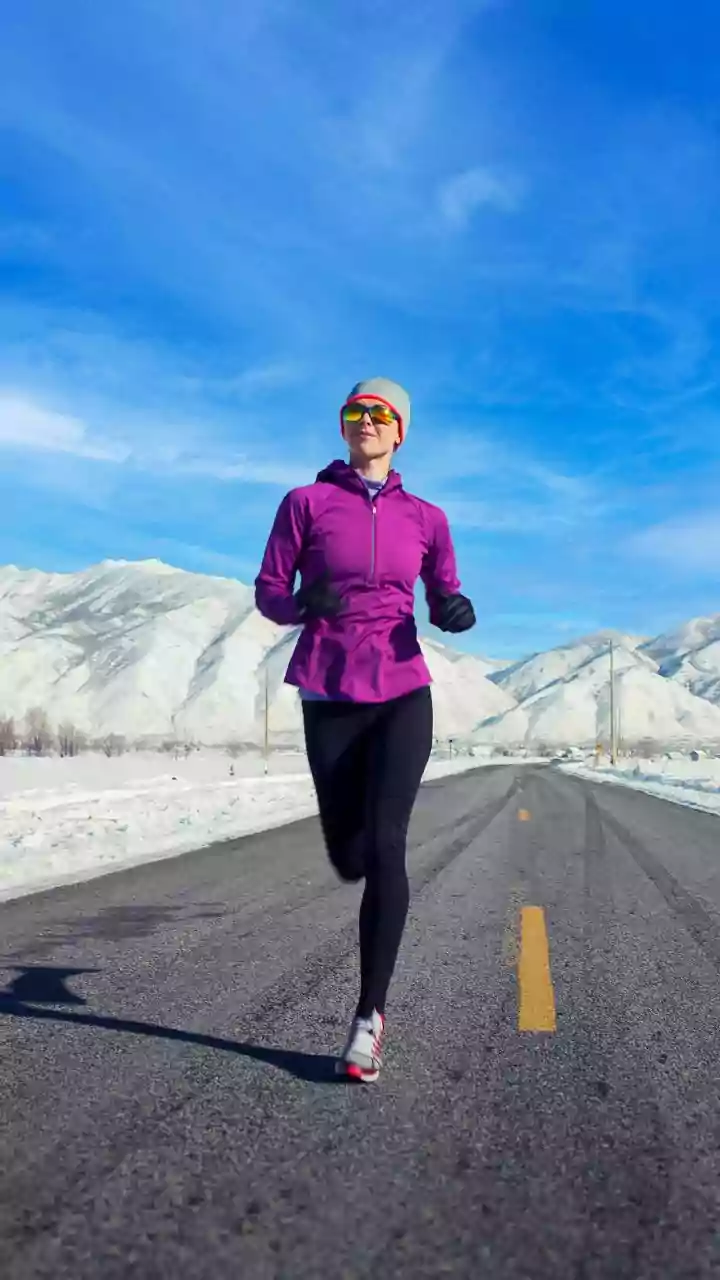
Dressing for a cold-weather workout is a science. The goal is to stay warm without overheating and trapping sweat, which can make you cold and wet. The key is a three-layer system that you can adjust as your body temperature rises. The base layer, which sits against your skin, should be made of a moisture-wicking synthetic material like polyester or merino wool. This pulls sweat away from your body. Avoid cotton, as it holds moisture and will leave you feeling chilled. Your middle layer provides insulation; fleece or wool works well. The outer layer should be a waterproof and breathable shell to protect you from wind and rain. As you warm up, you can easily remove a layer to regulate your temperature. A good rule of thumb is to dress as if it's 10-20 degrees warmer than the actual temperature, as you'll warm up quickly once you start moving.
Gradually Increase Your Intensity
The cooler air might make your usual pace feel easier, creating a great opportunity to improve your endurance. However, it's important to increase your intensity gradually. Pushing too hard too soon in a new environment can lead to injury or burnout. A sensible approach is the '10 percent rule', where you increase your weekly mileage, duration, or intensity by no more than 10 percent. If you’re just starting, begin with shorter, less intense workouts, like a 15-minute walk, and slowly build from there. The colder temperatures mean your body is already working harder just to stay warm, which can increase your calorie burn. This metabolic boost is a nice perk, but it also means you need to be mindful of your energy levels and not overdo it.
Listen to Your Body and The Weather
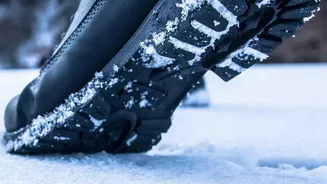
Your body provides the best feedback. Pay attention to signs of overexertion or cold-related issues. Early warning signs of frostbite include numbness, a stinging sensation, or loss of feeling, most commonly on the nose, ears, cheeks, fingers, and toes. If you experience these, get inside immediately and slowly warm the affected area. Hypothermia is more serious, with symptoms like intense shivering, slurred speech, and loss of coordination requiring immediate emergency help. Always check the weather forecast, paying close attention to the wind chill, which can make it feel much colder than the thermometer reading. On days with extreme cold, high winds, or poor visibility, it’s wiser to opt for an indoor workout.
Don't Forget Hydration and a Cool-Down
It's easy to forget to drink water when you don't feel hot and sweaty, but you're still losing fluids through breathing and perspiration in the cold. Dehydration can impact your motivation and make exercise feel harder, so be sure to drink water before, during, and after your workout. Just as a warmup is essential, so is a cooldown. Don't stop abruptly. Instead, wind down with a few minutes of light exercise, like walking, to gradually lower your heart rate. Once you're done, change out of your sweaty clothes quickly to prevent a rapid drop in body temperature, which can make muscles feel stiff and slow down recovery.