
What Is the Cat-Cow Pose?
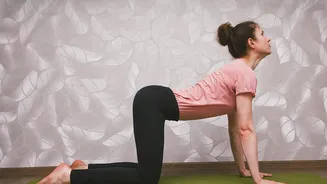
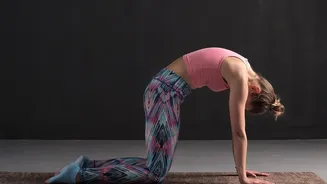
Cat-Cow is not a single pose but a gentle, flowing sequence between two positions: Marjaryasana (Cat Pose) and Bitilasana (Cow Pose). Practiced on your hands and knees, this movement is designed to warm up the body, particularly the spine. The 'Cow' part of
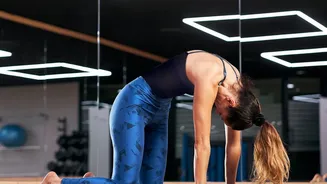
the pose involves arching your back, dropping your belly, and looking forward, while the 'Cat' portion involves rounding your spine, tucking your chin to your chest, and pressing the mat away. The transition between these two shapes, synchronized with your breath, creates a fluid motion that is foundational in many yoga practices. It's considered an entry-level exercise suitable for any stage of a wellness journey.
The Gentle Power of This Pose
Don't let its simplicity fool you; the benefits of Cat-Cow are extensive. Its primary advantage is improving spinal flexibility and alignment. The gentle undulation between arching and rounding helps create space between the vertebrae, alleviating stiffness that comes from long periods of sitting. This movement also stretches the muscles of the back, hips, abdomen, and neck, helping to relieve tension. By connecting movement to breath, it calms the mind, reduces stress, and enhances focus and coordination. The gentle compression and expansion of the abdomen can also stimulate digestive organs like the kidneys and adrenal glands. Many also find it helpful for relieving menstrual cramps.
A Step-by-Step Guide for Beginners
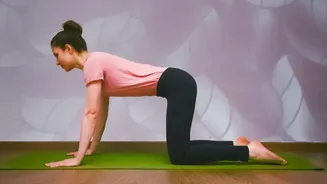
Finding the correct form is key to getting the most out of Cat-Cow. Start on all fours in a 'tabletop' position. Your hands should be directly under your shoulders and your knees directly under your hips, about hip-width apart. Keep your arms straight but don't lock your elbows. Your spine should be in a neutral, straight line from the crown of your head to your tailbone. Take a deep breath in and let it go. For Cow Pose: As you inhale, drop your belly toward the mat. Lift your chin and chest, and gaze forward. Broaden across your shoulder blades, drawing them away from your ears, and lift your tailbone up to create a gentle arch in your back. For Cat Pose: As you exhale, tuck your chin to your chest and draw your navel toward your spine. Round your back toward the ceiling, pressing the mat away with your hands to feel a stretch across your upper back. Repeat this flow for 5-10 rounds, letting your breath guide the pace.
The Rhythm of Natural Breathing
The headline says it all: 'natural breathing' is the secret ingredient. The goal is to synchronize each movement with either an inhalation or an exhalation. The rule is simple: inhale to open the front of the body (Cow Pose) and exhale to round and contract (Cat Pose). Rushing the movement is a common mistake; instead, focus on slow, controlled breaths to make the stretch more effective. This mindful breathing not only deepens the physical stretch but also transforms the practice into a moving meditation. It helps calm the nervous system, improve blood circulation between the vertebrae, and build a stronger mind-body connection that is essential for more advanced yoga.
Common Mistakes to Avoid
To practice safely, be aware of a few common misalignments. Many beginners either let their shoulders creep up to their ears or collapse into the lower back during Cow Pose. Instead, focus on keeping the shoulders drawn back and maintaining a long spine. Another common error is craning the neck too far back in Cow Pose. The gaze should lift forward, not straight up, keeping the back of the neck long. Also, ensure your wrists are directly under your shoulders and knees are under your hips to maintain a stable foundation and prevent strain. Finally, avoid moving too quickly. The magic of Cat-Cow comes from controlled, deliberate movement, not from speed.
Modifications for Your Body
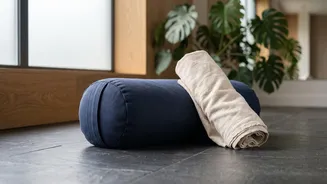
Yoga is about fitting the pose to your body, not the other way around. If you have sensitive knees, place a folded blanket or towel underneath them for extra cushioning. For those with wrist pain, there are several options. You can make fists with your hands and rest on your knuckles, or you can come down onto your forearms instead of your palms. Cat-Cow can even be done while seated in a chair. Sit upright with your feet flat on the floor, hands on your knees, and perform the same spinal movements. This makes it an accessible stretch you can do almost anywhere, even at your desk.