


The Meal Prep Promise and its Pitfalls
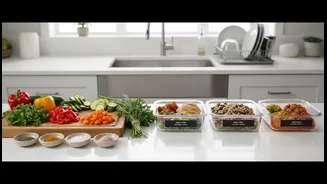
Meal prepping is a fantastic strategy for saving time, managing your budget, and making healthier choices during a busy week. The core idea is simple: dedicate a block of time, often on a Sunday, to wash, chop, and cook components for the meals ahead.
This sets you up for quick assembly when hunger strikes. However, anyone who has faced a container of disappointingly soggy vegetables or rubbery, reheated chicken knows that not all foods are created equal in the world of prep. The key isn't just to prep, but to prep smartly, preserving the integrity, flavour, and texture of each ingredient.
Prep These With Confidence
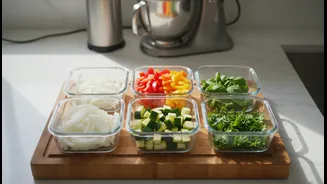
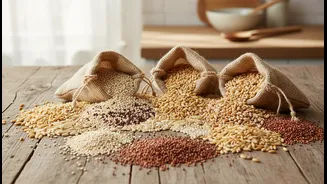
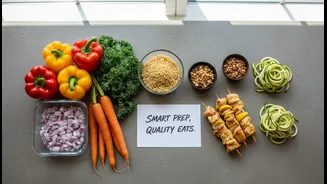
Certain foods are champions of advance preparation, maintaining or even improving in quality after a day or two in the fridge. Grains like quinoa, brown rice, and farro hold their texture well and provide a ready base for bowls and salads. Proteins such as baked tofu, shredded chicken, canned beans, and lentils are versatile and robust. Sturdy vegetables are also great candidates. You can safely chop and store root vegetables like carrots, hearty greens like kale, and cruciferous vegetables like broccoli and cauliflower. Many soups, stews, and curries actually taste better the next day as the flavours meld. Don't forget sauces and dressings; whipping up a batch of vinaigrette or a versatile sauce can elevate simple components all week long.
Always Cook These Fresh
Some ingredients are best left untouched until just before you plan to eat them. Their magic lies in their freshness, which is quickly lost in storage. Delicate seafood like shrimp and scallops, for example, can become rubbery and fishy when cooked and reheated. A perfectly cooked steak is best enjoyed right off the grill or out of the pan. Anything with a crispy, crunchy coating, like breaded chicken, will inevitably turn soft and soggy in the fridge. Soft-boiled eggs with runny yolks also lose their appeal, as the yolk firms up upon refrigeration. Finally, certain delicate produce, including sliced avocado, tomatoes, cucumbers, and tender salad greens, will wilt, brown, or become watery if prepared too far in advance.
The Smart Hybrid Strategy
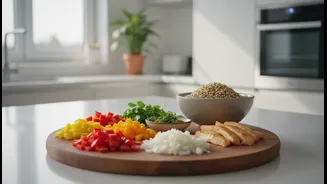
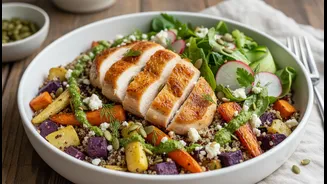
The most effective approach to meal prep isn't about choosing one method over the other, but blending the two. This is the 'component prep' or hybrid strategy. Your weeknight meal comes together in minutes by combining pre-cooked and pre-chopped staples with a few freshly cooked elements. Imagine a vibrant grain bowl: you start with your pre-cooked quinoa and roasted vegetables. Then, you quickly pan-sear a piece of salmon to flake over the top. The final touch is a sprinkle of fresh herbs and a drizzle of the dressing you made on Sunday. This method gives you the best of both worlds: the speed and convenience of meal prep, with the superior taste and texture of freshly cooked food. It’s the difference between a meal that feels reheated and one that feels truly homemade.
Storage is Everything
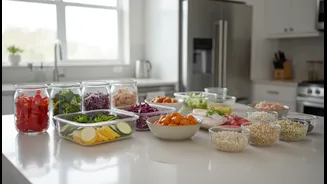
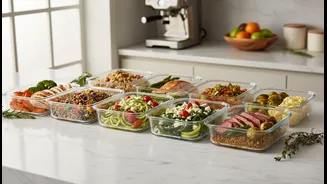
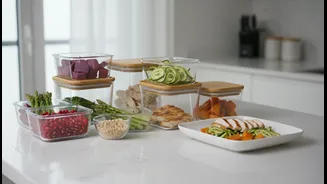
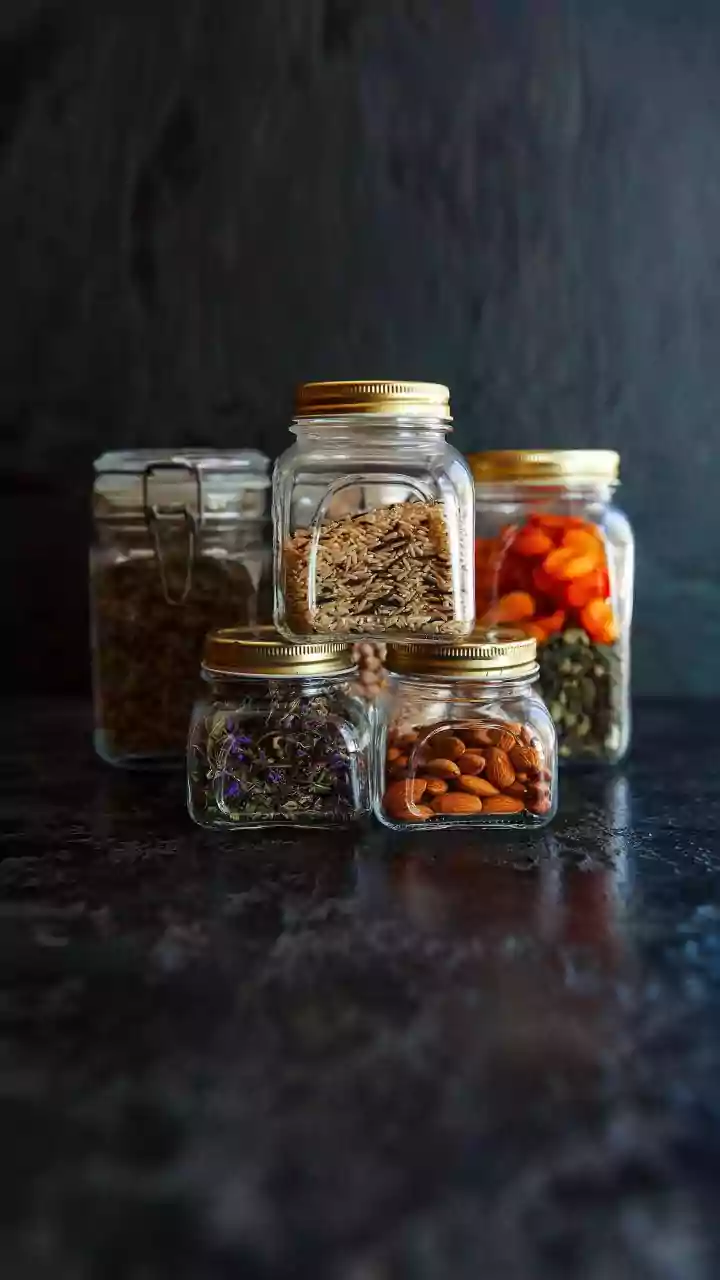
How you store your prepped components is just as important as what you prep. Invest in high-quality, airtight containers, preferably glass, which won't stain or retain odours. Always let cooked food cool down completely before sealing and refrigerating to prevent condensation, which can lead to sogginess and bacterial growth. When packing salads, keep the dressing separate until you're ready to eat. For leafy greens, placing a paper towel in the container can help absorb excess moisture and keep them crisp for longer. Proper storage ensures that the time you invest in prepping pays off with fresh, delicious, and safe meals throughout the week.