








The Problem with 'Wellness Homework'
We live in an age of optimized well-being. We’re told to track our sleep, count our calories, log our mindfulness minutes, and hit 10,000 steps before dinner. Each piece of advice is sound, born from good intentions and solid science. Yet, when bundled
together, this prescription for a better life can feel overwhelming, prescriptive, and, frankly, exhausting. It can feel like homework. This phenomenon, wellness burnout, is real. When self-care becomes a rigid set of performance metrics, it loses its very essence: care. The joy is replaced by duty, relaxation by scheduling. Instead of feeling restored, we feel like we’ve either passed or failed a daily test we set for ourselves. We chase productivity even in our downtime, turning rest into another task to be completed and optimised.
Nature's Gentle Invitation
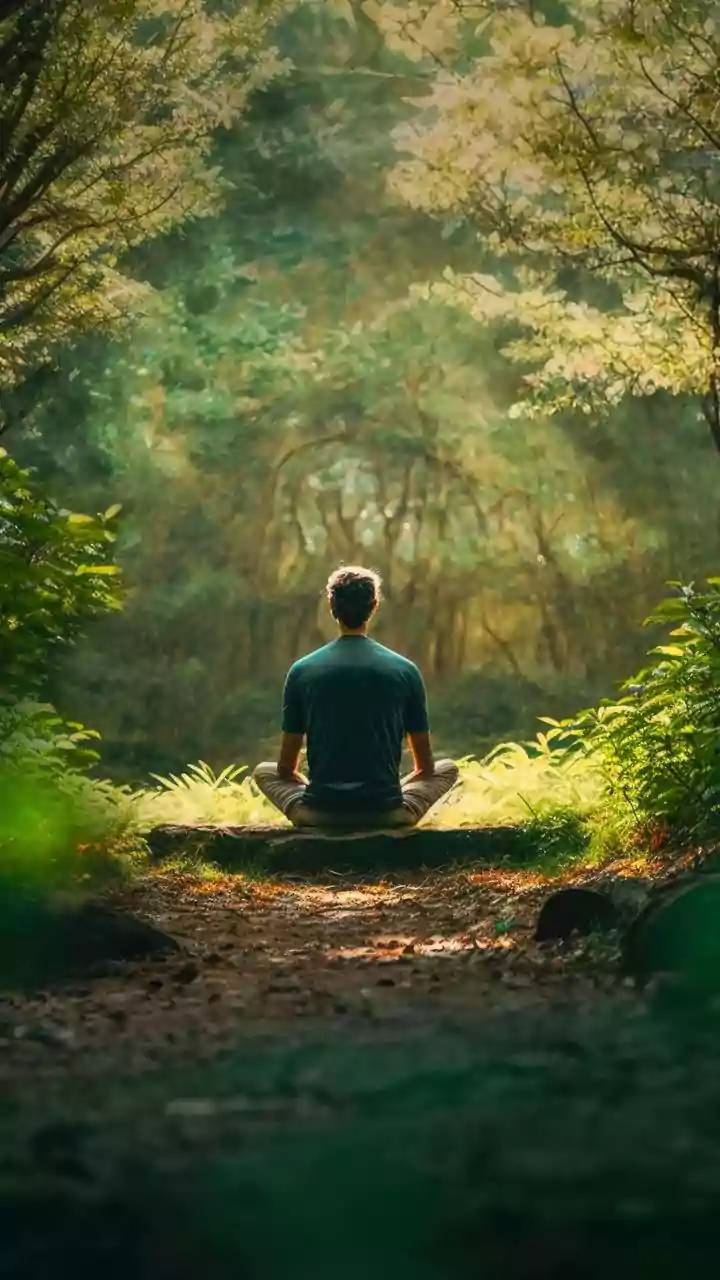
The antidote might be simpler and more accessible than you think. It doesn’t require an app, a subscription, or a new piece of gear. The solution is to step outside. Nature offers a different kind of wellness—one that is effortless, intuitive, and deeply restorative. Unlike the gym or a yoga class, nature doesn't demand performance. The sky doesn’t care if you walk or sit. The trees don’t judge your pace. A patch of grass simply invites you to be. This shift from ‘doing’ to ‘being’ is profound. Taking a nature break isn't about burning calories or achieving a goal; it's about exposure. It's about letting the patterns, sounds, and sensations of the natural world wash over you. This passive, gentle engagement is what makes it feel less like a chore and more like a treat.
The Science of Awe and Ease
This isn’t just a poetic idea; it’s backed by a growing body of scientific research. The Japanese practice of 'shinrin-yoku' or 'forest bathing'—which is simply spending quiet time in a forest—has been shown to lower heart rate, blood pressure, and concentrations of the stress hormone cortisol. Studies in environmental psychology show that even brief exposure to natural scenes can improve focus and cognitive function, a concept known as Attention Restoration Theory. Our brains, fatigued by the constant demands of urban life and digital screens, find respite in the soft, fascinating stimuli of nature. Essentially, our bodies and minds are hardwired to respond positively to natural environments. The technical term is 'biophilia'—the innate human tendency to connect with nature. When we honour this connection, we’re not learning a new skill; we’re returning to a state that is intrinsically calming for our species.
Redefine Your Idea of 'Nature'
For many of us, especially in bustling Indian cities, a sprawling forest or a pristine beach isn’t a daily option. But the good news is that you don’t need a grand expedition to reap the benefits. The key is to broaden your definition of what a 'nature break' can be. Nature is not just the Himalayas or the backwaters of Kerala; it’s everywhere, if you know where to look. It’s the neighbourhood park with its ancient banyan tree. It’s the small patch of green on your apartment balcony where you keep your tulsi and money plants. It's the patterns of clouds moving across the sky, viewed from your office window. It's the sound of rain hitting the pavement, the sight of a flock of pigeons taking flight, or the feel of a gentle breeze on your face during an evening stroll. These small, accessible doses of nature count.
How to Start Today, Effortlessly
The goal is to integrate these moments seamlessly, not to add another task to your calendar. Here are a few ideas: 1. **Have your morning chai on the balcony** or near a window with a view of some greenery. 2. **Take a five-minute detour** through a local park on your way home from work. 3. **Eat your lunch outside** on a bench instead of at your desk. 4. **Pay attention to the sky.** Notice the colour of the sunset or the shape of the clouds for just a minute. 5. **Listen intentionally.** Close your eyes and identify the natural sounds you can hear—birds, wind, leaves rustling—separating them from the city's hum. None of these require you to change your clothes, track your progress, or book a session. They are small acts of noticing, and that is their power.