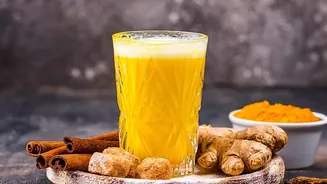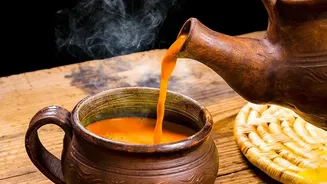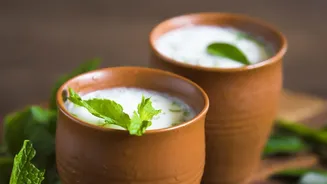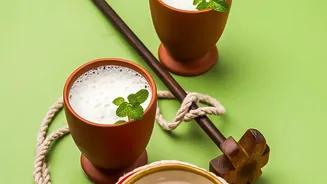



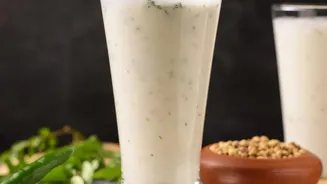

Beyond the usual coffees and colas, a quiet revolution is bubbling up in India's cities. Traditional coolers and fermented drinks are moving from home kitchens to trendy cafes, marking a delicious cultural shift.
From Grandma's Kitchen to the High Street
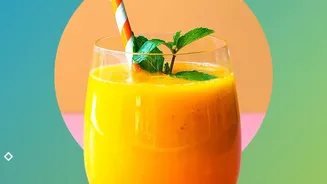
For generations, drinks like Aam Panna,
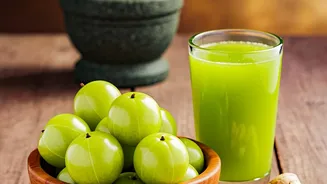
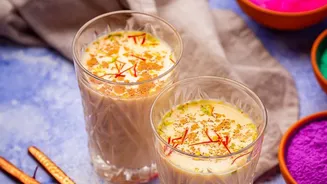
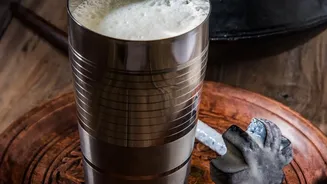
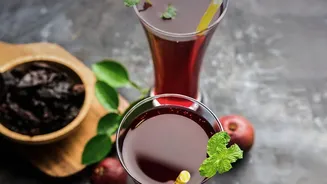
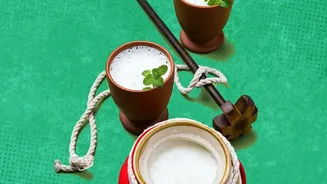
Jaljeera, and Solkadhi were seasonal staples, made in kitchens to cool down during harsh summers or aid digestion. They were the taste of holidays and the comfort of home. Today, these very beverages are the new stars on the menus of urban cafes and bars across India. What was once a humble, homemade concoction is now being served in stylish glasses, sometimes with modern twists. This revival isn't just about bringing back old recipes; it's about re-presenting them for a new generation that is actively seeking out authentic, local flavours. The fermented black carrot drink Kanji, a North Indian specialty, and Solkadhi, the cooling coconut and kokum drink from the Konkan coast, are prime examples of this trend.
A Sip of Health and Wellness
A major driver of this renaissance is a collective shift towards wellness. Urban consumers are increasingly wary of sugary, processed soft drinks and are looking for healthier, natural alternatives. Traditional Indian beverages fit this need perfectly. Many are packed with functional benefits rooted in Ayurvedic wisdom. For example, Jaljeera, with its blend of cumin, mint, and black salt, is a natural digestive aid. Kanji is a probiotic powerhouse, great for gut health. Aam Panna, made from raw mangoes, is rich in vitamins and known to prevent heat stroke. Solkadhi is traditionally consumed as a digestive after heavy or spicy meals. This alignment with modern functional beverage trends makes them an easy choice for the health-conscious city dweller.
The Quest for Authenticity
This trend is more than just a health fad; it's a statement of cultural identity. For many young, urban Indians, embracing traditional drinks is a way of reclaiming a piece of their heritage that was overshadowed by decades of Western consumer culture. It represents a post-colonial confidence in local food knowledge and traditions. Brands like Paper Boat successfully tapped into this sentiment by bottling nostalgia, reintroducing millions to the tastes of their childhood. This movement is about celebrating indigenous ingredients and flavours, from the tangy kokum of the West coast to the roasted gram flour of Sattu Sharbat in Bihar. It's a conscious choice to drink something that tells a story about India's diverse regions and rich culinary history.
The Modern Makeover
Of course, tradition alone doesn't always make something trendy. The current revival is also fuelled by creative presentation and modern applications. Mixologists in chic bars are incorporating ingredients like aam panna and kala khatta syrup into innovative craft cocktails, creating a fusion of global trends and local flavours. A traditional drink like Kanji, with its vibrant purple hue, is inherently 'Instagrammable', and its visual appeal has undoubtedly been boosted by social media, where food influencers and home chefs are rediscovering and sharing these recipes. This modern makeover helps bridge the gap between generations, making age-old recipes cool and accessible to a younger audience that values both aesthetics and authenticity.