



The Nutritional Magic of Sprouting
Sprouts are essentially seeds from grains, legumes, or vegetables that have just begun to germinate into young plants. This process of sprouting transforms a dormant seed into a vibrant, living food. During germination, the seed unlocks its stored nutrients
to fuel growth. Complex starches are converted into simpler sugars, making them easier to digest, and the concentration of vitamins, particularly Vitamin C and B-complex vitamins, increases significantly. Perhaps most importantly, sprouting neutralises 'anti-nutrients' like phytic acid. This compound, found in unsprouted seeds, can bind to minerals and prevent your body from absorbing them. By reducing these anti-nutrients, sprouting makes minerals like iron, calcium, and zinc more bioavailable, meaning your body can actually use them.
A Superior Source of Plant-Based Protein
One of the standout benefits of a morning sprout salad is its impressive protein content. The sprouting process not only increases the total protein concentration in legumes like mung beans, lentils, and chickpeas but also improves its quality. It breaks down complex proteins into simpler amino acids, the building blocks your body uses for everything from muscle repair to energy production. For example, a single cup of sprouted lentils can provide around 7-8 grams of easily digestible protein. Starting your day with a protein-rich meal helps promote satiety, keeping you feeling full and satisfied for longer, which can reduce mid-morning cravings. This sustained energy release is crucial for maintaining focus and preventing the metabolic slowdowns that often follow a high-carb breakfast.
Fiber: The Key to Smooth Digestion
Fiber is a critical component for a healthy digestive system, and sprouts are an excellent source. They contain a healthy mix of both insoluble and soluble fiber. Insoluble fiber adds bulk to stool, helping it move more efficiently through your digestive tract and promoting regularity. Soluble fiber, on the other hand, helps slow the absorption of sugar, which is key for maintaining stable blood sugar and energy levels. A breakfast rich in fiber keeps your gut healthy, prevents issues like constipation and bloating, and supports the growth of beneficial gut bacteria. Because sprouts are so rich in fiber while being low in calories, they offer a great way to feel full without feeling weighed down, making them ideal for weight management.
The Digestive Advantage: Natural Enzymes at Work
Beyond protein and fiber, sprouts possess a unique advantage: they are packed with living enzymes. When a seed germinates, it activates enzymes like amylase and protease to break down its own starches and proteins for fuel. When you eat raw sprouts, these same enzymes can assist your body in its digestive process. This 'pre-digestion' means your own digestive system doesn't have to work as hard, which can be particularly beneficial for those with sensitive stomachs or who experience bloating after eating unsprouted legumes. This enzymatic activity makes sprouts noticeably lighter and easier to digest than their unsprouted counterparts, allowing for more efficient nutrient absorption and less gastrointestinal strain.
The Perfect Pair: Why Protein and Fiber Work Better Together
The real magic of a sprout salad lies in the powerful synergy between its protein and fiber content. It’s not a case of one being better than the other; they are a team. Protein provides lasting satiety and supports muscle maintenance, while fiber aids digestion, adds bulk, and ensures a slow, steady release of energy. This combination is particularly effective in the morning. It helps regulate blood sugar levels, preventing the sharp spikes and subsequent crashes associated with sugary breakfast options. A meal that combines both helps you feel fuller for longer, supports metabolic function, and sets a stable foundation for your energy and appetite throughout the day.
Building Your Ideal Morning Sprout Salad
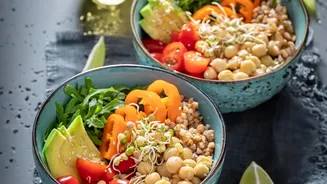
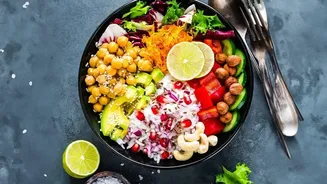
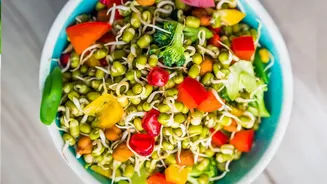
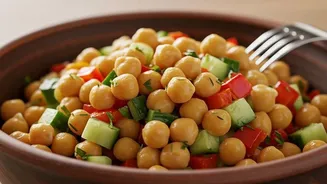
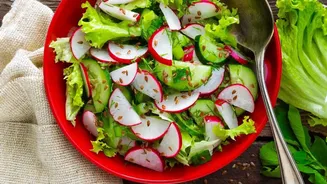
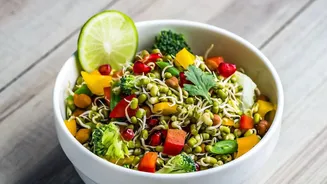
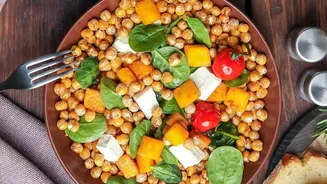
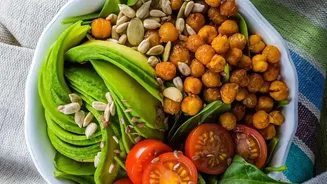
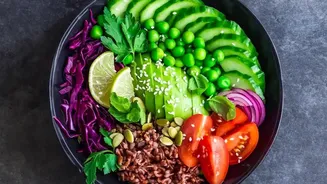
Creating a delicious and balanced sprout salad is simple. Start with a base of your favourite sprouts. Mung beans, lentils, and chickpeas are all excellent, protein-rich choices. For a spicy kick, add some radish sprouts, while alfalfa or broccoli sprouts offer a milder flavour and a potent dose of antioxidants. To enhance the meal, add other chopped vegetables like cucumber, tomatoes, and onions for extra volume, vitamins, and crunch. A simple dressing of lemon juice, black salt, and a sprinkle of chaat masala can bring it all together without adding unnecessary fats or calories. For an even bigger protein and healthy fat boost, consider adding a handful of nuts or seeds.