


An Unplanned Scientific Gift
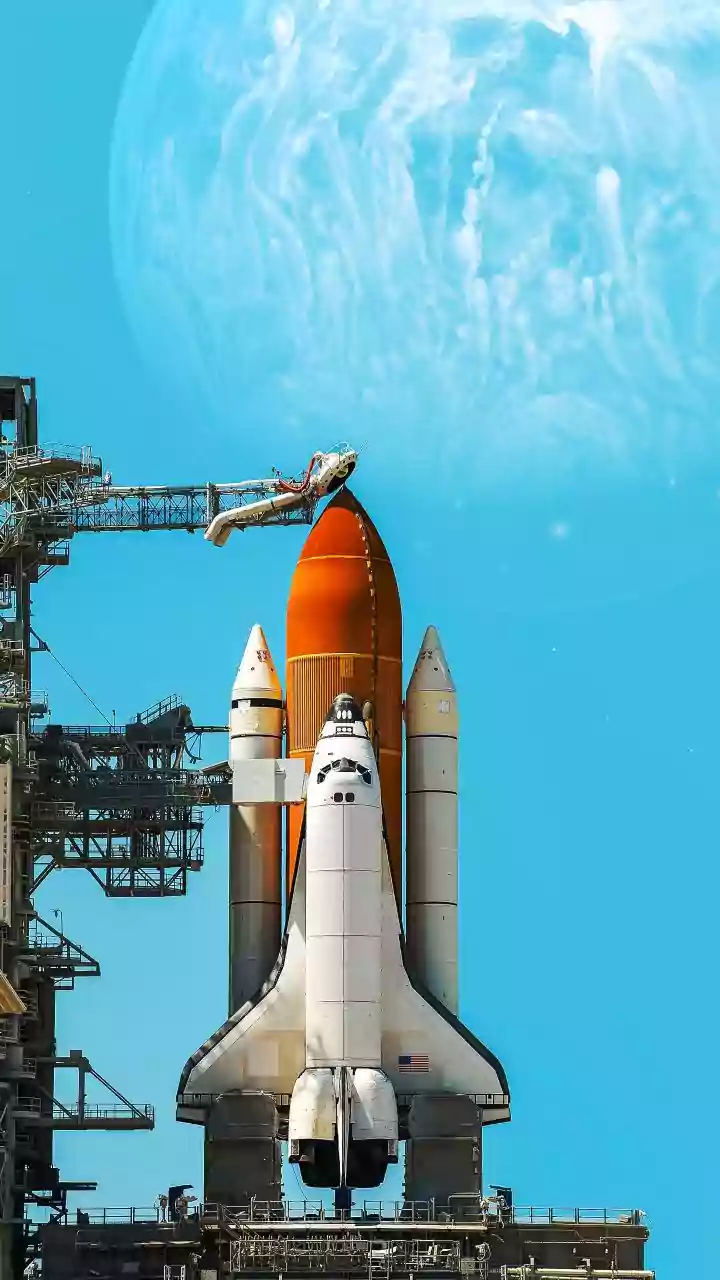
On August 5, 2026, the spent upper stage of a SpaceX Falcon 9 rocket is on a collision course with the Moon. This isn't a planned mission but the final, dramatic act for a piece of space debris left over from a 2025 launch that sent two robotic landers
on their way. After completing its primary job, the four-tonne rocket body was left in a chaotic orbit around the Earth and Moon. Now, that orbit is finally intersecting with the lunar surface near a feature known as Einstein Crater. While the event highlights the growing issue of space junk, the scientific community is eagerly watching. This isn't the first time a human-made object has hit the Moon, but it's a rare chance for scientists to observe an impact where they know the precise characteristics of the object—its mass, speed, and trajectory. This transforms an accident into an invaluable, albeit unplanned, physics experiment.
Reading the Lunar Scars
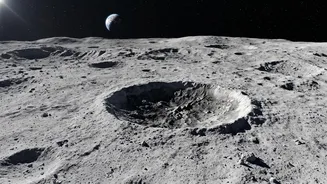
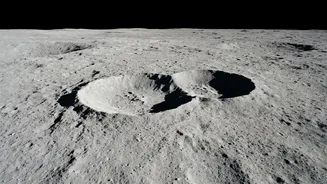
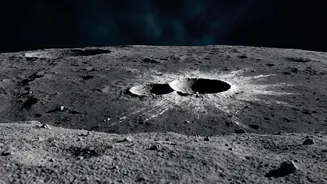
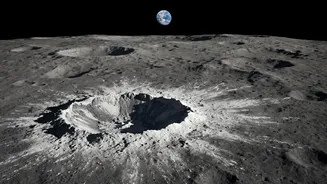
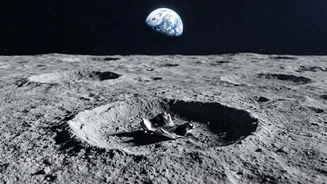
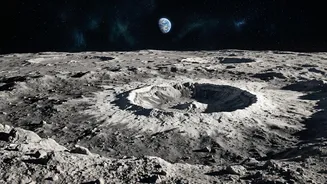
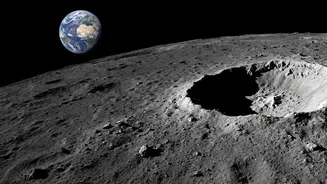
When the rocket stage hits the Moon at roughly 8,700 kph, it will unleash energy equivalent to about three tons of TNT. Scientists won't just be looking for a flash; they'll be studying two key consequences: the new crater and the resulting ejecta plume. The impact is expected to carve out a fresh crater approximately 18 metres wide. NASA's Lunar Reconnaissance Orbiter (LRO) plans to image the site before and after the event, providing a clear picture of the crater's size and shape. Just as important is the massive cloud of dust and rock—known as regolith—that will be blasted high above the lunar surface, potentially reaching altitudes of 100 kilometres. By analysing the light from this plume, researchers can learn about the composition of the lunar soil in that specific location, including its texture and makeup, without ever needing to land there. Telescopes on Earth may even be able to capture this brief, expanding cloud.
From Dust to Data
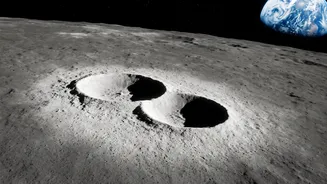
The real value of this impact lies in improving our scientific models. The Moon is covered in millions of craters from natural meteoroid impacts, and these craters are like pages in a history book, telling the story of the solar system. However, when we see a natural crater, we have to guess the size, speed, and angle of the object that made it. This event flips the script. Since we know the properties of the Falcon 9 stage, we can see exactly what kind of crater a four-tonne object moving at 8,700 kph creates. This provides a perfect calibration point. By matching the real-world result with their computer simulations, scientists can refine their models of impact physics. These improved models will allow for much more accurate interpretations of natural craters on the Moon, Mars, and other planetary bodies, giving us a clearer understanding of the solar system's violent past and the processes that shape planetary surfaces. It is, in essence, a controlled experiment on a celestial scale.
The Bigger Picture for Lunar Science
This impact also contributes to a renewed wave of lunar science. Later in 2026 and beyond, new missions are set to place incredibly sensitive seismometers on the Moon’s surface, including China's Chang'e-7 and NASA's Artemis-era Lunar Environment Monitoring Station (LEMS). These instruments are designed to listen for 'moonquakes' and the constant patter of tiny micrometeorite impacts to study the Moon's internal structure. Recent studies suggest these seismic vibrations could even be used to locate hidden deposits of water ice beneath the surface—a critical resource for future astronauts. Data from a known, powerful impact like this one helps scientists understand how seismic waves travel through the lunar crust. It provides a baseline for the kind of signals these new seismometers will be looking for, helping them distinguish between different types of impacts and geological activity. It’s one more piece of the puzzle in our quest to fully understand our nearest celestial neighbour.