



What is Multi-Regional Dining?
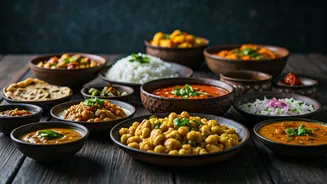
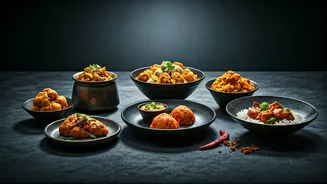
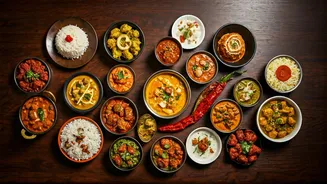
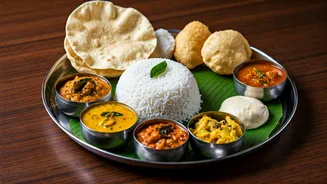
Imagine a menu where a fiery curry from Kerala sits comfortably next to a delicate dish from Kashmir, or a coastal delicacy from Goa is offered alongside a robust preparation from Punjab. This is the essence of multi-regional dining. It’s not fusion,
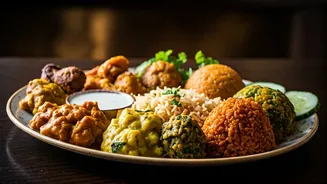
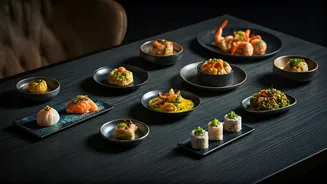
where ingredients and techniques from different cultures are blended into a single, new dish. Instead, it’s a curated collection of distinct, authentic dishes from various regions, presented side-by-side. Think of it as a culinary gallery, where each plate is a faithful representation of its homeland. The Godrej Food Trends Report 2026 identifies this as a key movement, where new dining hubs are weaving diverse Indian flavours into a cohesive celebration of the country's vast gastronomic identity. These restaurants allow adventurous diners to explore the breadth of a nation's palate without leaving their city.
The Curators of the Culinary Journey
Driving this trend are visionary chefs who are moving beyond rigid culinary labels. Many, like Chef Niyati Rao of Mumbai’s celebrated restaurant Ekaa, are inspired by their travels, memories, and a deep respect for ingredients. After training at globally renowned restaurants like Noma in Copenhagen, Rao returned to India with a vision to create a restaurant inspired not by a single cuisine, but by people, cultures, and ingredients. This approach allows for a menu that tells a story, taking diners on a journey through the chef's experiences and influences. It's a philosophy that respects the origin of each dish while presenting it in a modern, ingredient-forward context, celebrating the complexity and diversity of flavours.
An Experience Beyond the Plate
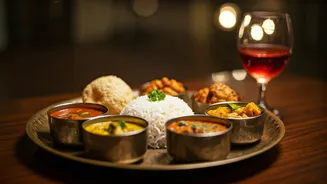
Multi-regional dining is about more than just what's on the menu; it's about creating an immersive experience. Diners are increasingly looking for memorable meals that offer storytelling, chef interactions, and a strong sense of place. Restaurants like Nadu in Chicago are dedicated to this, exploring dishes rooted in specific Indian states and family traditions rather than relying on familiar hits. In India, luxury hotel groups are also embracing this, with restaurants like Loya showcasing the diverse landscapes of North India, from the Himalayas to Punjab, complete with spirited folk music to enhance the atmosphere. Southern Spice, another example, takes diners on a journey through the coastal regions of the south, celebrating the distinct tastes of Chettinad, Malabar, and more. This shift turns dinner into a form of entertainment and education, a concept sometimes called 'third culture cuisine'.
Why Is This Happening Now?
Several factors are fueling the rise of the multi-regional concept. Post-pandemic, there's a heightened awareness of and desire for healthier, locally sourced, and authentic food experiences. Diners, made more knowledgeable by social media and travel, are more curious and selective. They are moving beyond generic menus and seeking to explore hyper-regional dishes, forgotten recipes, and traditional cooking techniques. This trend aligns with a global shift away from overly processed foods and toward more transparent, meaningful consumption. For chefs, it represents a creative freedom to build a menu that is personal and diverse, unbound by the expectation to stick to a single culinary tradition. It's a celebration of diversity that resonates with the modern, globally-connected diner.