

Maximum Impact in Minimum Time
The idea that a workout must be an hour long to be effective is a myth. Research shows that short, intense workouts can provide similar or even superior benefits to longer, more moderate sessions. This approach, often based on High-Intensity Interval
Training (HIIT) principles, involves short bursts of all-out effort followed by brief recovery periods. For a traveller, this is revolutionary. A 20-minute session can boost your metabolism, triggering an 'afterburn' effect where your body continues to burn calories at a higher rate post-exercise. It means you can get a powerful workout done before your roommates are even awake, leaving the rest of your day free for exploring.
The Power of Your Own Bodyweight
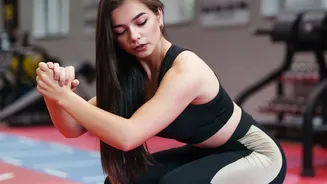
The single biggest advantage of bodyweight training is its accessibility. You have everything you need with you at all times. There are no gym fees to worry about and no equipment to pack, leaving more space in your backpack and more money in your wallet. These exercises build functional strength by teaching your muscles to work together, which translates directly into real-world activities like hoisting your backpack, climbing countless flights of stairs, or tackling a spontaneous hike. Exercises like squats, push-ups, and planks are compound movements that engage multiple muscle groups at once, ensuring you get a full-body workout efficiently.
Designed for Small and Shared Spaces
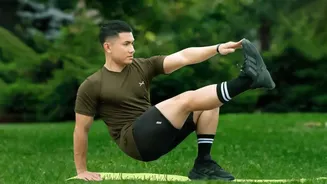
A typical hostel dorm doesn't offer much room, but that's not a dealbreaker. The best bodyweight exercises require little more than the floor space of a yoga mat. You can perform an entire routine in the small area next to your bunk without disturbing anyone. Movements like burpees, mountain climbers, glute bridges, and lunges can all be done in one spot. Many hostels also feature rooftop terraces or common areas that can be perfect for a quick morning session before they get busy. The key is to focus on movements that are quiet and contained, allowing you to get your heart rate up without becoming a nuisance.
Your 20-Minute Hostel Workout Template
Building a routine is simple. The goal is to hit your upper body, lower body, core, and cardiovascular system. A popular format is Tabata, which involves 20 seconds of intense work followed by 10 seconds of rest, repeated for several rounds. You could structure your 20 minutes like this: perform each exercise for 45 seconds, rest for 15, and complete the full circuit four times. A sample full-body circuit could include: 1. Push-ups (or modified on your knees) for chest, shoulders, and triceps. 2. Bodyweight Squats for quads, glutes, and hamstrings. 3. Plank for core stability. 4. Jumping Jacks or High Knees for cardio. 5. Lunges (alternating legs) for single-leg strength and balance. You can easily swap exercises to keep things interesting. For example, trade push-ups for tricep dips using your bed or a chair, or squats for glute bridges.
Consistency Is the Real Secret
The most effective fitness plan while travelling isn't the most intense one—it's the one you actually stick with. The beauty of a 20-minute routine is that it lowers the mental barrier to exercise. It's short enough that it never feels like a major commitment, making it easier to do daily. This consistency is far more beneficial than sporadic, hour-long gym sessions. Integrating movement into your travel lifestyle, whether through these short workouts or by choosing to walk instead of taking transport, is what truly makes a difference. It's about maintaining momentum and feeling energised for your adventures, not achieving peak performance.