






The Picture-Perfect Illusion
Hotel marketing is designed to sell an experience. Photos showcase pristine beds, sparkling surfaces, and inviting views. However, these images can easily hide the subtle signs of wear, tear, and neglect that define a guest's actual experience. While
a room might look clean at a glance, issues like poor maintenance, superficial cleaning, and safety oversights often don't appear in the brochure. Guests have a right to a safe and sanitary environment, and a quick inspection upon arrival can save you from a disappointing or uncomfortable stay. Before you even unpack, taking a few minutes to conduct your own review is one of the smartest travel habits you can adopt. It’s not about being cynical; it’s about ensuring you receive the quality and safety you've paid for.
A Window to the Truth
Windows are often overlooked, but they can tell you a lot about a hotel's attention to detail and security. First, check that all locks and latches are fully functional. This is a non-negotiable safety feature, providing peace of mind during your stay. Look for condensation between the panes of double-glazed windows, which can indicate a broken seal and potential issues with insulation and noise control. Check the sills and frames for dust, dirt, or signs of mould, which can point to poor cleaning routines and ventilation problems. Finally, take a moment to assess the view you were promised. If the window is dirty or the view obstructed, it speaks to a lack of thoroughness that may be present elsewhere in the room.
The Bathroom Never Lies
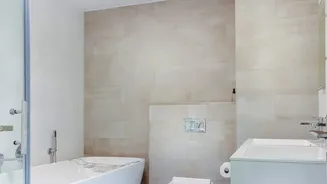
The bathroom is where a hotel's true cleanliness standards are revealed. It’s also the area that generates the most guest complaints, making it a critical inspection point. Go beyond checking for fresh towels. Look closely at the corners of the shower, the grout between tiles, and the sealant around the tub and sink for any black spots, which could be mould. Mould is not just unsightly; it can be a health concern, often indicating poor ventilation or underlying moisture problems. Test the plumbing by running the taps and shower to check for adequate water pressure and any leaks. A slow-draining sink or shower is another red flag. Check that the exhaust fan is working; a non-operational fan can explain the presence of musty smells or mould.
Spotting the Signs of Scale
One of the most telling indicators of a superficially cleaned bathroom is limescale. This chalky white deposit builds up on faucets, showerheads, and glass screens when hard water evaporates. While common in many areas, significant limescale buildup is a clear sign that cleaning is rushed and not thorough, as it takes time to properly remove. It suggests cleaners are wiping surfaces down but not truly descaling and sanitizing fixtures. This lack of deep cleaning can also extend to less visible areas. More broadly, look for other signs of wear and tear that indicate a 'scale' of neglect. This includes peeling paint, cracked tiles, rust stains around drains, or wobbly fixtures. These small problems often point to deferred maintenance, suggesting that the hotel's management is cutting corners on upkeep.
Your Action Plan for an Unacceptable Room
If your inspection reveals significant problems, it's important to act immediately. Before you do anything else, document the issues with photos or a short video on your phone. This evidence is useful if a dispute arises. Next, contact the front desk right away. Politely and calmly explain the specific problems you have found and state what you would like to happen. In most cases, the hotel will be happy to move you to another room. For minor issues like a broken lamp, you can request that maintenance fix it. If the hotel cannot offer a suitable alternative room and the problems are related to safety or sanitation, you have the right to ask to be moved to a comparable hotel at their expense.